
Companion Plants
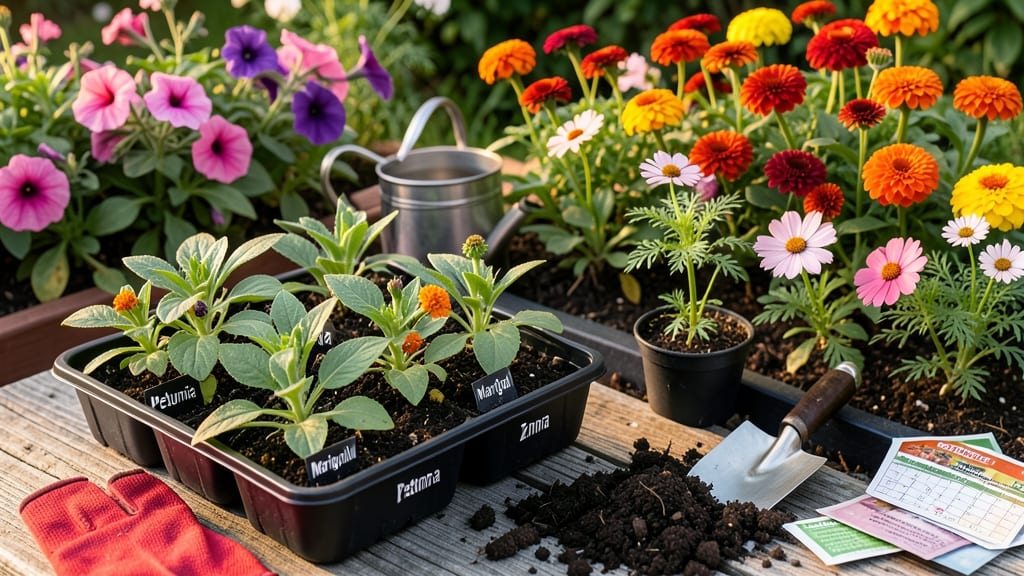
Planting annuals in Massachusetts isn’t just about sticking seeds in the dirt—it’s about timing them perfectly to avoid frost and maximize those 🌸 blooms all season long. The wrong window, and you’ll either lose everything to late frosts or miss the vibrant displays that make your garden shine.
With USDA Zone 6a frost dates running from mid-April to mid-October, knowing exactly when to plant warm-season annuals (like tomatoes and marigolds) versus cool-season varieties (like pansies) makes all the difference. Skip the guessing game and learn the foolproof schedule that keeps your garden thriving from spring to fall.
From extending your planting season with frost cloths to choosing the right varieties for your region, I’ll walk you through every step. Whether you’re a beginner or a seasoned gardener, these tips will help you plant with confidence and enjoy a garden that’s the envy of the neighborhood.
Ready to transform your outdoor space? Let’s dive into the exact planting windows, regional adjustments, and pro tips that’ll have your annuals looking their best all year long.
Massachusetts frost dates by region: when to plant annuals safely
Massachusetts' diverse climate zones mean frost dates vary dramatically—from Boston’s coastal moderation to Worcester’s inland chill. Understanding these last spring frost and first fall frost windows is critical for timing your annual plantings correctly.
For example, Cape Cod typically warms 2-3 weeks earlier than inland areas, while Springfield often faces later frosts. These regional differences directly impact when you can safely plant heat-loving annuals like tomatoes or cool-season varieties like pansies.
Most Massachusetts gardeners rely on average last frost dates between April 15 (coastal) and May 1 (inland) for spring planting. However, microclimates—like urban heat islands or sheltered valleys—can shift these dates by 1-2 weeks.
For fall, first frosts typically arrive between October 10 (high elevations) and October 25 (coastal). This variability means succession planting and season-extending tools become essential for maximizing your garden's potential.
🌱 Key Takeaway: Use your local frost dates as your planting calendar—warm-season annuals need soil at 60°F+, while cool-season varieties can handle 50°F+ temperatures. Always verify with your local cooperative extension service for the most up-to-date regional data.
| Region | Last Spring Frost | First Fall Frost | Safe Planting Window | Notes |
|---|---|---|---|---|
| Boston/Cape Cod | April 15 | October 25 | April 20 - May 10 (spring) / Aug 15 - Sep 15 (fall) | Coastal moderation; longer growing season |
| Worcester | April 25 | October 15 | May 1 - May 15 (spring) / Aug 1 - Sep 10 (fall) | Inland chill; shorter season |
| Springfield | May 1 | October 10 | May 10 - May 20 (spring) / July 30 - Aug 30 (fall) | Highest elevation; earliest frosts |
| Urban Heat Islands (Boston) | April 20 | October 20 | April 25 - May 5 (spring) / Aug 10 - Sep 20 (fall) | Warmer microclimate; plant 1 week earlier |
For warm-season annuals like tomatoes, peppers, and basil, wait until soil temperatures consistently reach 60°F—usually 2-3 weeks after your region's last frost date.
In Boston, this often means late April to early May, while Springfield gardeners may need to wait until mid-May. Cool-season annuals such as lettuce, spinach, and pansies can handle cooler temperatures and can often be planted 4-6 weeks before the last frost date.
My
Best annuals to plant in Massachusetts by seasonal timeline
Massachusetts’ short but sweet growing season means choosing the right annuals for each planting window is key. Cool-season varieties thrive in spring and fall, while heat-loving plants need summer’s warmth. Let’s break it down by month so you can plan your garden’s color and harvest calendar with confidence.
For early spring (March–April), focus on cool-hardy annuals like pansies, snapdragons, and sweet peas. These frost-tolerant beauties can handle light freezes and even brighten up winter gardens with protection. By mid-May, when soil warms to 60°F+, switch to warm-season stars like marigolds, zinnias, and basil.
Don’t overlook late-summer and fall plantings—they’re your secret to extended blooms and harvests. Calendula and asters thrive in cool autumn air and add vibrant color as summer fades. For vegetables, bush beans and Swiss chard handle light frosts and reward you with tender greens well into October.
Pro tip: Succession plant heat-lovers like zinnias and basil every 2–3 weeks through July for nonstop blooms. This trick works especially well in containers or raised beds, where you can control soil warmth and moisture.
For herbs, cilantro and dill bolt quickly in summer heat, so plant them in early spring or late summer. Basil and oregano, however, love the heat and can handle June–August plantings with ease.
Regional tweaks matter! Cape Cod’s cooler microclimate may delay warm-season plantings by 1–2 weeks, while Worcester’s inland heat lets you push fall plantings slightly later. Always check your local frost dates—they’re your garden’s GPS.