
Plants
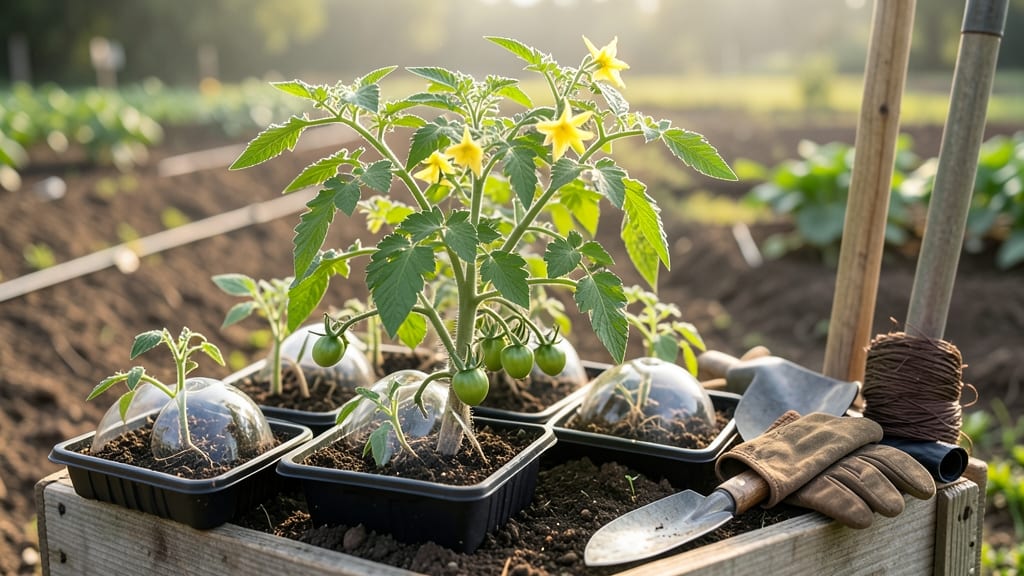
Planting tomatoes in NJ at the wrong time can mean the difference between a bumper crop of juicy 🍅 and a sad, frost-nipped failure. The key to success in Heat Zone 6B isn’t just knowing when to plant—it’s understanding how NJ’s unpredictable spring weather plays into your schedule.
Most gardeners in New Jersey wait until after the last frost date, which typically falls between April 15 and May 15, but soil temperature matters just as much.
If you rush and plant too early, even a late frost can wipe out your seedlings in 5 minutes of sub-50°F weather. That’s why waiting for consistently warm soil—60°F or higher—is the game-changer.
Whether you’re starting seedlings indoors or buying transplants, timing is everything. I’ll break down the exact window for planting tomatoes in NJ, including how container gardening or raised beds might tweak your schedule.
You’ll also learn how to stretch your harvest season with simple tricks like row covers or black plastic mulch.
By the end, you’ll have a foolproof plan to get your tomatoes in the ground at the perfect moment—so you can enjoy homegrown 🍅 from July through October without a single frost-related setback.
NJ heat zone 6B frost dates: the exact window to plant tomatoes for maximum yield
New Jersey’s Heat Zone 6B gives gardeners a narrow but productive window to grow tomatoes—just 165 frost-free days from last frost to first frost.
To maximize your harvest, timing is critical: plant too early, and a late frost will wipe out your seedlings; too late, and you’ll miss peak summer production. The key is understanding Rutgers Cooperative Extension’s average last frost dates (April 15–May 15) and adjusting for your specific microclimate.
Coastal areas like Cape May or Atlantic City often see earlier last frosts (as early as April 1), while inland regions like Trenton or Newark may experience frost until May 15.
Use these dates as a baseline, but always monitor local forecasts—especially if you’re growing heat-sensitive varieties like ‘Brandywine’ or ‘Cherokee Purple’, which thrive in cooler conditions.
Soil temperature is just as critical as air temperature. Tomatoes won’t thrive until the soil warms to at least 60°F. In NJ, this typically happens by mid-to-late May in most regions, but you can speed it up with black plastic mulch or a cold frame.
Test your soil with a thermometer to confirm readiness—cold soil delays germination and weakens seedlings.
Here’s the golden rule for NJ tomato planting: Aim to transplant seedlings 2–3 weeks after your last frost date, when nighttime temperatures consistently stay above 50°F. For example, if your last frost is May 1, transplant around May 15–20.
This timing ensures your plants have enough time to establish roots and produce fruit before summer heat peaks.
🌱
Microclimates play a huge role in NJ. If you’re near the coast, you might push planting to early April for early varieties like ‘Early Girl’, which matures in just 60 days.
Inland gardeners should wait until mid-May to avoid frost. Rutgers Cooperative Extension provides hyper-local frost maps—bookmark their garden fact sheets for your county’s specifics.
For container gardeners, timing shifts slightly. Since pots warm up faster than soil, you can plant 1–2 weeks earlier than in-ground tomatoes. However, containers also dry out quicker, so ensure your pots are at least 12 inches deep and use moisture-retentive soil.
Varieties like ‘Tiny Tim’ (dwarf) or ‘Patio’ (bush) are ideal for small spaces.
Don’t overlook succession planting for a fall harvest. If you plant a second batch of fast-maturing varieties (e.g., ‘Celebrity’) in late June or early July, you can enjoy tomatoes well into October.
Just be prepared to protect them with row covers as temperatures drop. This strategy stretches your harvest by 4–6 weeks and maximizes your garden’s potential.
☀️
Step-by-step NJ tomato planting schedule: from seedlings to harvest (with critical deadlines)
Timing your tomato seedlings in New Jersey isn’t just about avoiding frost—it’s about maximizing your harvest window. Since NJ’s Heat Zone 6B offers 165 frost-free days, we’ll stretch that season with strategic planting.
Start by marking your calendar for these critical deadlines to ensure your plants thrive from transplant to harvest.
For spring planting, your goal is to transplant seedlings 2–3 weeks after your last frost date (typically mid-April to early May). This gives young plants time to establish roots before summer heat arrives.
Coastal areas like Cape May can plant 1–2 weeks earlier than inland regions like Newark, thanks to milder microclimates.
🌱 Did You Know?
- March 1–15: Start indoor seedlings (6–8 weeks before last frost)
- April 15–May 1: Harden off seedlings for outdoor transplant
- May 15–June 1: Transplant determinate varieties (earlier) and indeterminate (later)
- July 15–August 1: Succession plant for fall harvests (use row covers)
If you’re growing heirloom varieties like Brandywine or Celebrity tomatoes, prioritize transplanting them by May 15. These varieties need 70–90 days to mature, so planting after this date risks a shortened harvest.
For cherry tomatoes, which mature faster (60–70 days), you can push the timeline to early June for a late-summer crop.
Extend your harvest with succession planting in late July. Choose fast-maturing varieties like 'Sweet 100' cherry tomatoes and use row covers or cold frames to protect them from early fall frosts. This tactic adds 4–6 weeks to your growing season, giving you tomatoes well into October.
Pro tip: Monitor soil temperatures with a thermometer—tomatoes thrive when soil stays above 60°F. If nights dip below this, delay planting or use black plastic mulch to retain heat. In containers, warm soil faster by placing pots on dark-colored surfaces like bricks or pavers.
Finally, prune suckers and stake indeterminate varieties within 2 weeks of transplanting to encourage upward growth. This keeps your plants focused on fruit production rather than sprawling vines. With these deadlines and techniques, you’ll enjoy homegrown tomatoes from July through October—just in time for garden-fresh pasta and salsa! 🍅