
Plants
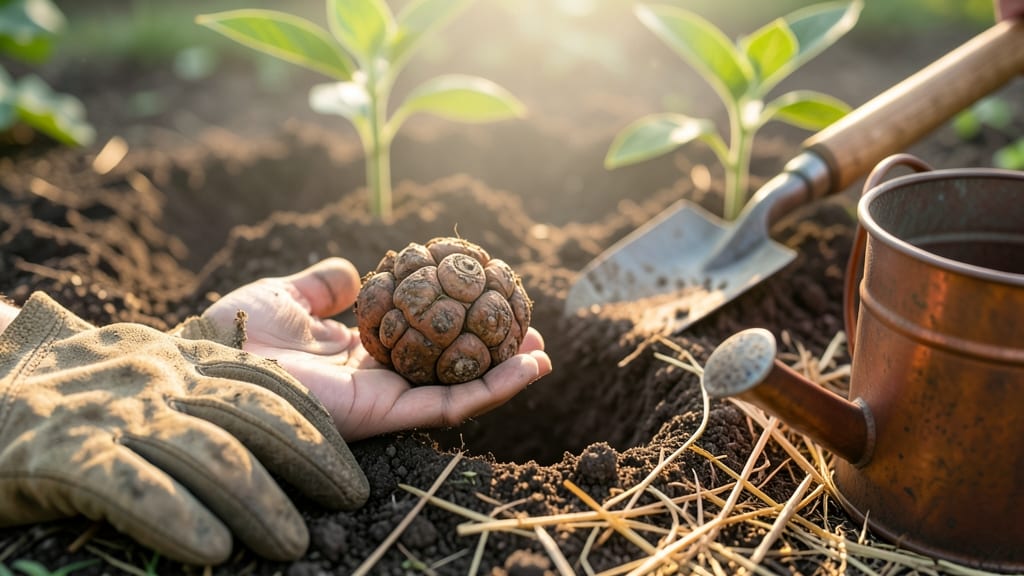
Planting dahlias in New Zealand at the wrong time can mean the difference between stunning summer blooms and wasted tubers—so timing is everything. The ideal window runs from late September to mid-November, but your exact start date depends on whether you're in frost-prone Canterbury or milder Auckland.
Most gardeners wait until after the last frost, typically around mid-September in the north and October in the south, when soil temperatures rise above 10°C (50°F). This ensures your 🌼 tubers sprout without risking cold damage, giving them the strong start they need for 6-foot-tall stems by summer.
But here's the catch: regional microclimates matter. Northern growers can push planting to early September, while southerners should wait until late October to avoid early frosts that can blacken emerging shoots. Even a week's delay can affect bloom timing—so let's break down the exact frost-free timeline for your area.
Once you've got the timing right, the next steps—soil prep, tuber depth, and early care—will set your dahlias up for a long, vibrant season.
I'll walk you through everything, from chitting tubers to protecting them from unexpected chilly snaps, so you can enjoy cut flowers from December right through to May.
NZ regional planting dates for dahlias based on frost-free zones
New Zealand’s diverse climate means dahlia planting times vary dramatically between regions. In the North Island, warmer temperatures allow earlier planting, while the South Island often waits until late spring to avoid frost damage.
Understanding your local frost-free dates is key—plant too early, and your tubers may rot; too late, and your blooms arrive after summer’s peak.
Most NZ gardeners aim to plant dahlias after the last frost date, typically between late September and mid-November. However, this window shifts by weeks depending on whether you’re in Auckland’s subtropical warmth or Canterbury’s cooler climate.
Let’s break down the ideal planting zones to maximize your dahlia’s potential.
🌱 Did You Know? Some dwarf varieties (like 'Café au Lait') tolerate cooler soils better than tall dinnerplate types, giving you flexibility in colder regions.
| Region | Last Frost Date | Ideal Planting Window | Soil Temp Goal (°C) | Notes |
|---|---|---|---|---|
| Northland | Late August | Mid-September to early October | 12-15°C | Warmest region; early planting reduces heat stress |
| Auckland | Mid-September | Late September to early October | 10-12°C | Use cloches for early planting in cooler microclimates |
| Wellington | Late October | Mid-November | 8-10°C | Wait for soil to warm; mulch heavily after planting |
| Christchurch | Early November | Mid-November to early December | 7-9°C | Consider container growing for microclimate control |
| Dunedin | Late November | Early December | 6-8°C | Late planting preferred; use frost blankets for protection |
In warmer northern regions, you can push the envelope by planting as early as mid-September—but only if your soil has warmed to at least 10°C.
Test this by pressing your finger into the soil; if it feels cool to the touch, wait a week or two. Southern regions like Dunedin often wait until December, prioritizing frost protection over early blooms.
For tall varieties (like 'Galaxy' or 'Thomas Edison'), aim for the earlier end of the window—they need time to establish roots before summer’s wind and rain. Dwarf types (such as 'Karma Choc') are more forgiving and can handle later planting.
Pro tip: Check your local NIWA frost-free date for your specific suburb—these can vary by 1-2 weeks even within the same city. For example, Hamilton’s frost-free date is typically 2 weeks earlier than Auckland’s due
How to prepare dahlias for NZ planting: tubers, soil, and hardening off
Preparing your dahlia tubers for New Zealand’s unpredictable climate is half the battle. Unlike tropical plants, dahlias need a gentle wake-up before hitting the ground. Start by inspecting your tubers—look for firm, plump eyes (the small bumps where shoots emerge).
If stored in a cool, dry place, they’ll be ready for action by late winter.
Before planting, chitting tubers (encouraging early sprouting) gives your dahlias a head start. Place tubers in a tray with eyes facing upward and store them in a bright, warm spot (15-20°C or 59-68°F).
Within 2-3 weeks, you’ll see green shoots—this means they’re ready for the garden. Chitting also helps you avoid rotting tubers from premature planting in cold soil.
🌱 Step-by-Step Dahlia Prep for NZ Gardens
- 1. Inspect tubers for rot or damage; discard any mushy spots.
- 2. Chit tubers in trays with eyes upward, 15-20°C for 2-3 weeks.
- 3. Test soil—ideal pH is 6.0-7.0; amend with compost if needed.
- 4. Harden off sprouted tubers by placing them outside for 1-2 hours daily.
- 5. Plant after last frost when soil is 10°C+ and warm to the touch.
Soil preparation is just as critical. Dahlias hate waterlogged roots, so improve drainage by mixing in organic matter like compost or sand. Aim for a loose, crumbly texture—think of it as giving your tubers a fluffy bed to spread their roots.
In cooler regions like Canterbury, add a thick layer of mulch (5-7cm) after planting to insulate the soil and protect tubers from late frosts.
Hardening off is the secret to transplant shock-free dahlias. Once your tubers have sprouted, gradually expose them to outdoor conditions over 5-7 days. Start with 1-2 hours of sunlight and increase daily.
This toughens the shoots and prepares them for the wind and temperature swings common in NZ gardens. Skip this step, and you risk wilting or stunted growth once planted.
For tall varieties (like dinnerplate dahlias), stake your plants early—even before they’re fully hardened off. Use bamboo stakes or metal cages buried 30cm deep to support their heavy blooms.
In windy areas like Wellington, this prevents stem breakage during summer storms. Pro tip: Loosen the soil around the base monthly to encourage aeration and root growth.
Finally, water deeply after planting to settle the soil and eliminate air pockets. Use a drip irrigation system or water at the base to avoid wetting the leaves, which can cause fungal diseases.
In the first 2 weeks, keep the soil consistently moist—not soggy—to help roots establish. Once your dahlias hit 30cm tall, reduce watering slightly to encourage bloom production over leafy growth.