
Plants
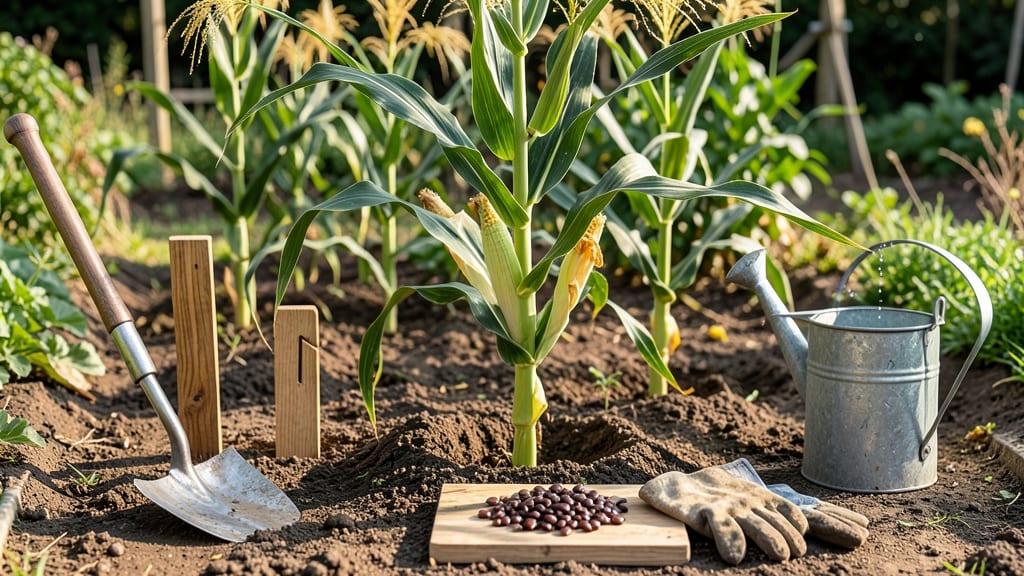
Timing your 🌽 corn planting in Washington State can make or break your harvest—get it wrong, and frost or heat will ruin your crop before it even starts.
Unlike most states, Washington’s diverse climate zones mean Puget Sound’s mild springs demand a different approach than the Columbia Basin’s dry heat or the mountains’ cooler temperatures.
You’ve got just a 4-6 week window between last frost (March 15–April 15) and soil warming to 50°F—and missing it could leave your plants struggling.
Whether you’re in Zone 6b’s coastal fog or Zone 9a’s inland desert, this guide breaks down the exact dates and microclimate tricks to plant confidently.
We’ll cover the ideal planting dates by elevation, how to pick the right corn varieties for your region, and pro tips to stretch your growing season—because in Washington, one week too early or late can mean the difference between a bumper crop and a sad, stunted stalk.
Skip the guesswork and learn how to time your planting for maximum yield, no matter where you garden in the Evergreen State. Let’s get those seeds in the ground the right way.
Washington State corn planting dates by elevation Zone (with frost risk maps)
Washington’s diverse elevation zones create wildly different planting windows for corn—what works in Spokane’s dry heat (Zone 7a) won’t cut it in Olympia’s coastal fog (Zone 8b). The key? Planting after soil hits 50°F for 10+ days and at least 2 weeks after last frost.
Let’s break it down by zone so you don’t gamble with your harvest.
For lowland areas (0–1,000 ft), like the Puget Sound region and Columbia Basin, last frost typically hits March 15–April 1. Soil warms fast here, so you can plant sweet corn varieties as early as late March to mid-April.
But wait—if you’re in Zone 9a (Yakima Valley), you can start even earlier (late February) for heat-loving hybrids.
In mid-elevation zones (1,000–3,000 ft), like the Cascade foothills or Palouse region, frost lingers until April 15–May 1. Soil takes longer to warm, so aim for mid-April to early May planting. Here, short-season varieties (60–75 days to maturity) are a must to avoid fall frost.
Highland areas (3,000+ ft, such as Mount Rainier’s slopes or North Cascades) have a shorter growing season (120–150 frost-free days). Plant late May to early June only after soil reaches 50°F consistently.
Use fast-maturing varieties (e.g., 'Early Sunglow') to squeeze in a harvest before first frost in October.
🌽 CORN PLANTING WINDOWS BY ELEVATION ZONE
| Elevation Zone | Last Frost Date | Soil Temp Threshold | Planting Window | Frost-Free Days | Best Varieties |
|---|---|---|---|---|---|
| Lowland (0–1,000 ft) | March 15–April 1 | 50°F+ (10+ days) | Late March–Mid-April | 180–210 days | 'Ambrosia', 'Peaches & Cream' |
| Mid-Elevation (1,000–3,000 ft) | April 15–May 1 | 50°F+ (14+ days) | Mid-April–Early May | 150–180 days | 'Silver Queen', 'Country Gentleman' |
| Highland (3,000+ ft) | May 15–June 1 | 55°F+ (10+ days) | Late May–Early June | 120–150 days | 'Early Sunglow', 'Golden Bantam' |
Pro tip: Use a soil thermometer to confirm warmth—cold soil delays germination. In Zone 6b (Mountains), I’ve seen corn take 3 weeks to sprout if planted too early. Don’t risk it!
If you’re in Western Washington’s coastal fog belt, plant 1–2 weeks later than inland areas—cool, damp air delays soil warming. Conversely, Eastern WA’s desert zones (like Walla Walla) can plant <
Best corn varieties for Washington’s microclimates (heat tolerance vs. short season needs)
Choosing the right corn variety for your Washington garden is just as critical as timing—plant the wrong one, and you’ll either get underripe ears in short seasons or heat-stressed plants in inland areas.
The Evergreen State’s diverse climate demands region-specific varieties, from fast-maturing sweet corn for coastal fog belts to heat-tolerant field corn for the Columbia Basin’s dry heat.
Your USDA zone and elevation dictate your best bets: Puget Sound gardeners (Zones 7b–8b) can grow long-season varieties like 'Ambrosia,' while Palouse farmers (Zone 6b) need short-season stalwarts like 'Early Sunglow.' Let’s break down the top picks by microclimate to ensure you harvest plump, sweet ears every time.
| Region | Variety | Days to Maturity | Key Traits |
|---|---|---|---|
| Puget Sound (Zones 7b-8b) | Ambrosia | 70-75 days | Sweet, tender, fog-tolerant |
| Western WA (Zones 6b-7a) | Silver Queen | 65-70 days | Classic sweet corn, cold-hardy |
| Eastern WA (Zones 6b-7b) | Pioneer 33T38 | 90-100 days | Drought-tolerant field corn |
| Highlands (Zones 5a-6a) | Golden Bantam | 60-65 days | Dwarf, early, heirloom |
| Columbia Basin (Zones 7b-8a) | Country Gentleman | 85-90 days | Heat-loving, large ears |
For Puget Sound’s cooler, damp climate, prioritize varieties with 70+ days to maturity—like 'Ambrosia' or 'Peaches and Cream'—to avoid ear rot from lingering moisture. These types thrive in 60°F–75°F soils and tolerate coastal fog better than heat-lovers.
Inland areas like the Columbia Basin or Palouse demand heat-tolerant, fast-maturing options. 'Country Gentleman' or 'Early Sunglow' handle 90°F+ days and low humidity without stress. If you’re in high-elevation zones (3,000+ ft), stick to short-season varieties like 'Golden Bantam' (60 days) to beat early fall frosts.
Pro tip: Check your last frost date and first frost date—then count backward from your variety’s maturity time. For example, if your first frost hits October 1 and you plant 'Ambrosia' (75 days), aim for a July 15 planting to ensure harvest before frost.
Miss this window, and you’ll end up with woody, underdeveloped kernels.
Don’t overlook heirloom varieties like 'Stowell’s Evergreen' for longer storage or 'Glass Gem' for colorful, multihued kernels. These work well in moderate climates but may struggle in extreme heat or cold. Always start with seed packets labeled for your zone—your local WSU Extension office can recommend region-specific favorites too.