
Plants
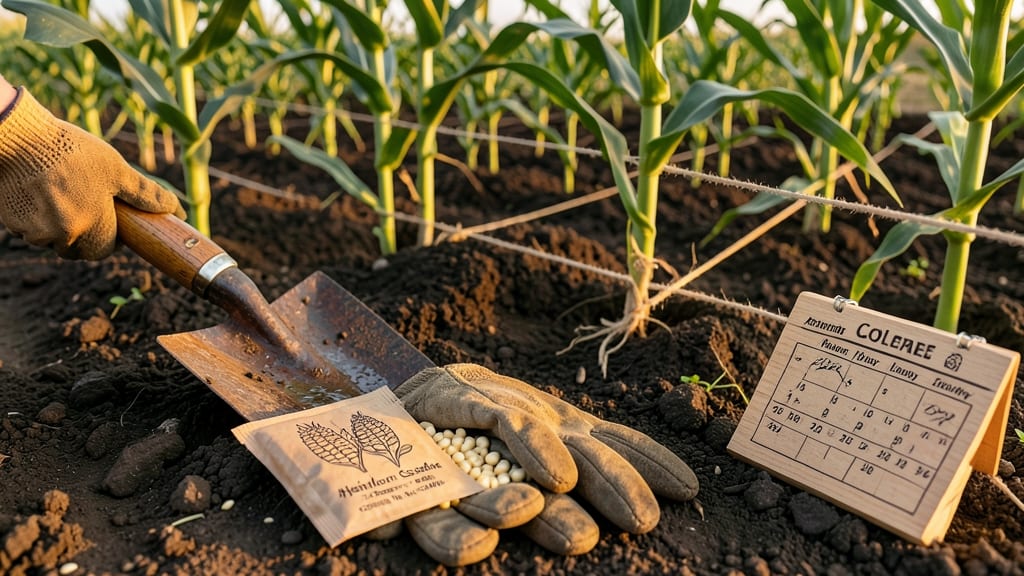
Timing your corn planting in Colorado isn't just about the calendar—it's about understanding how elevation zones shift frost dates and soil warmth.
Whether you're growing 🌽 in Denver's 5,000-foot valleys or the high plains above 7,000 feet, getting those seeds in the ground too early or late can mean the difference between a thriving crop and a failed experiment.
Most gardeners in USDA zones 5-7 know corn loves warmth, but Colorado's unpredictable weather adds complexity. Planting too soon risks frost damage, while waiting too long cuts harvest time short. The key? Waiting until soil temperatures hit 60°F—typically mid-April to mid-June—while accounting for your specific elevation's last frost date.
In this guide, I'll break down exactly when to plant corn across Colorado's three main elevation zones, plus pro tips for adjusting to late springs or early frosts.
You'll learn how to choose the right varieties for your location and optimize spacing for maximum yield—so you can enjoy fresh ears from late July through September.
Ready to grow corn that thrives? Let's dive into the precise planting windows and strategies that work for Colorado's diverse growing conditions—no guesswork required.
Colorado corn planting dates by elevation zone: exact frost-free timelines
Colorado’s dramatic elevation shifts—from 3,000 feet in Denver to over 10,000 feet in mountain valleys—create wildly different planting windows for corn. At lower elevations, you can start seeds indoors as early as mid-March, while highland gardeners must wait until late May to avoid frost damage.
Understanding your USDA hardiness zone (typically 5-7 in Colorado) and last frost dates is critical for success.
For lowland areas (3,000–5,000 ft), like the Front Range or Pueblo, the last frost typically occurs around April 15, giving you a 120–150 day growing season.
In contrast, mid-elevation zones (5,000–7,000 ft), such as Fort Collins or Boulder, see frosts lingering until May 1, shortening the season to 90–120 days.
Highland gardens (7,000+ ft), like those in Gunnison or Leadville, often have frost risks well into June, demanding early-maturing varieties or even greenhouse starts.
Soil temperature is just as critical as air temperature—corn seeds won’t germinate reliably until the soil reaches at least 60°F (15°C). In Denver (5,280 ft), this usually happens by mid-April, while in Steamboat Springs (6,800 ft), you may need to wait until late May.
Use a soil thermometer to confirm readiness, as cold soil can delay germination by weeks.
If you’re planting early varieties (like ‘Early Sunglow’, which matures in 70–75 days), you can push your timeline slightly. For example, in Denver, you might start seeds indoors by March 15 and transplant outdoors by April 30.
However, late varieties (like ‘Golden Bantam’, needing 90+ days) are risky above 5,000 feet unless you use row covers or a hoop house to extend the season.
Pro tip: Use black plastic mulch to warm the soil faster, especially in highland areas. This can shave 1–2 weeks off your planting timeline by raising soil temperatures by 5–10°F. Just be sure to remove it after harvest to prevent weeds. For container growing, start seeds 4–6 weeks earlier indoors under grow lights to compensate for shorter outdoor seasons.
Colorado’s unpredictable weather means even the best-laid plans can go awry. If frost threatens after planting, cover seedlings with frost cloth or a lightweight row cover until temperatures stabilize. For highland gardeners, succession planting (sowing seeds every 2 weeks in May) can stretch your harvest window by 3–4 weeks.
Always keep an eye on NOAA’s Colorado frost forecasts for real-time updates.
Avoid these common mistakes: Planting too early when soil is still cold, choosing full-size varieties for high-altitude gardens, or ignoring wind exposure (corn needs sheltered spots to prevent lodging). By matching your corn variety, planting date, and growing location to your elevation zone, you’ll maximize your chances of a successful harvest—whether you’re in Colorado Springs or Telluride.
For highland areas, consider short-season hybrids like ‘Bodacious’ (70 days) or ‘Peaches & Cream’ (75 days), which thrive in cooler climates. In lowland zones, heat-tolerant varieties like ‘Silver Queen’ (90 days) or ‘Ambrosia’ (85 days) perform best.
Always check the seed packet for days to maturity and adjust your planting date accordingly.
Remember: Corn is a heavy feeder, so amend your soil with compost or a balanced fertilizer (10-10-10) before planting. In high-altitude soils, which can be low in organic matter, add aged manure or worm castings to improve fertility.
Water deeply 1–2 inches per week, focusing on the root zone to encourage strong stalks.
With the right timing and variety, you’ll be enjoying homegrown Colorado corn by late July—even in the mountains! 🌽
How to adjust corn planting for Colorado’s unpredictable weather patterns
Colorado’s weather can be as unpredictable as a mountain storm—one day it’s warm enough to plant, and the next, frost threatens to nip your corn seedlings. The key to success lies in flexibility and preparation.
I’ve learned that soil temperature and frost dates are your best guides, but even they can shift unexpectedly. For example, in Denver (5,280 ft), the last frost typically arrives around April 15, but late frosts in May aren’t unheard of.
To combat this, I always monitor soil temperatures using a soil thermometer—corn seeds need the ground to be at least 60°F to germinate properly. If your soil is slow to warm, consider using black plastic mulch or row covers to create a microclimate.
These tricks can shave weeks off your growing season, especially in high-elevation areas (7,000+ ft) where cold snaps linger longer.
- Soil Warming: Use black plastic mulch or clear tunnels to raise soil temps by 10-15°F faster.
- Frost Protection: Cover seedlings with frost cloth if temps drop below 32°F after planting.
- Backup Dates: Have 30-60 day varieties ready for late starts in highland zones.
- Watering Strategy: Deep water every 2-3 days to prevent drought stress during heatwaves.
- Elevation Buffer: Plant 2 weeks later in zones above 6,500 ft to avoid early frosts.
Another trick I swear by is planting in successive batches every 2 weeks. This staggered approach ensures you’ll have corn ready to harvest over a longer period, even if Mother Nature throws a curveball.
For instance, if your first planting gets hit by a late frost, your second batch might still thrive. I also keep a close eye on weather forecasts and adjust my planting schedule accordingly—if a cold snap is predicted, I’ll delay planting until conditions stabilize.
For high-risk zones (7,000+ ft), I recommend starting corn indoors or in a greenhouse 2-3 weeks before the last frost date. This gives seedlings a head start and increases their chances of survival.
Once the danger of frost has passed, transplant them outdoors with care, ensuring they’re hardened off first. In these areas, I also opt for early-maturing varieties like ‘Early Sunglow’ or ‘Golden Bantam,’ which can go from seed to harvest in as little as 60-70 days.
Don’t forget about irrigation planning—Colorado’s dry climate means corn needs consistent moisture, especially during tasseling and ear development. I use drip irrigation to deliver water directly to the roots, reducing evaporation and ensuring steady growth.
If you’re in a lowland area (3,000-5,000 ft), you might face heat stress, so mulching heavily can help retain moisture and keep roots cool.
Finally, always have a backup plan. Whether it’s extra seeds, row covers, or a greenhouse, being prepared for Colorado’s whimsical weather will save your corn crop—and your sanity.
With these adjustments, you’ll be well on your way to a bountiful harvest, no matter what the mountains throw at you. 🌽