
Plants
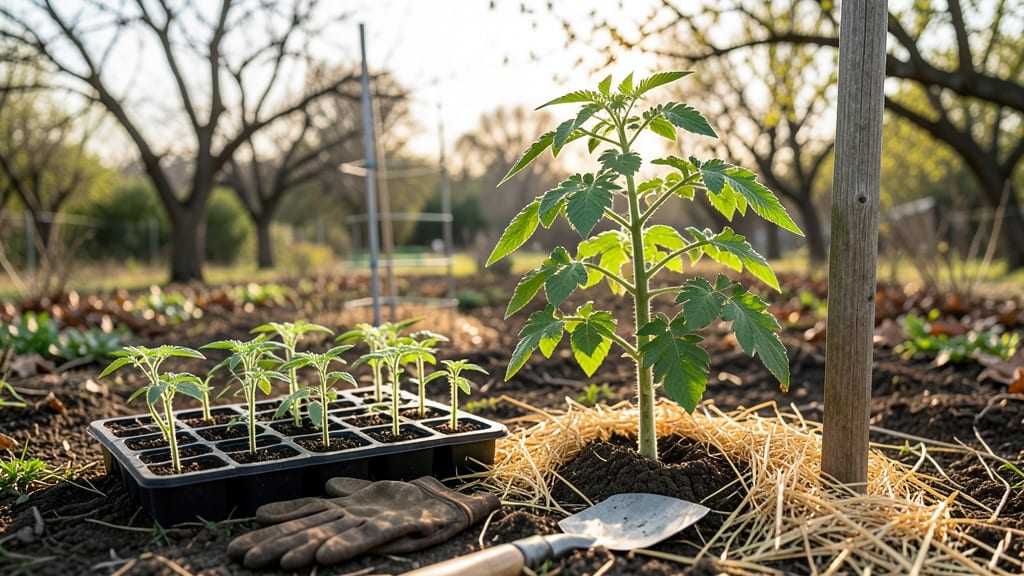
Planting tomatoes in Indiana isn’t just about grabbing seeds and sticking them in the dirt—when is the best time to plant tomatoes in Indiana? It’s about nailing that frost-free window to give your 🍅 plants the best shot at thriving.
With Indiana's hardiness zones (5 & 6) bringing unpredictable spring weather, timing can make or break your harvest.
Most gardeners wait until after the last frost—typically late April to early May—but that's just the starting point. Soil temperature matters just as much, and rushing too early can leave your plants vulnerable to cold snaps.
I'll show you how to read the signs and adjust your schedule for maximum success.
Whether you're starting seeds indoors in March or transplanting seedlings in May, understanding your local climate patterns is key. We'll break down the ideal planting windows for both early and late varieties, so you can plan ahead for a bumper crop from June to October.
Ready to grow tomatoes that burst with flavor instead of struggling through a short season? Let's dive into the exact steps to time your planting perfectly for Indiana's unique growing conditions.
Indiana’s frost-free dates by Zone: exact planting windows for tomatoes
Indiana’s USDA hardiness zones 5 and 6 create a 165-day frost-free window, but tomatoes thrive best when planted within a 60-85 day maturity range. The key? Timing your plantings to avoid late spring frosts (which average mid-April) and maximize summer heat for ripening before the mid-October first frost.
For direct-sown seeds, wait until soil temperatures hit 60°F+—typically late April to early May—while transplanted seedlings can go in 2-3 weeks earlier since they’re hardier. But don’t rush: cold soil delays germination, and frost-killed seedlings are heartbreaking.
Here’s how to calculate your personalized planting window: Subtract your chosen tomato’s days to maturity from your average first frost date (Oct 15). For a 70-day variety, that means planting by June 25—but Indiana’s summer heat makes May-June plantings ideal for most varieties.
| Zone | Last Frost Date (Avg) | First Frost Date (Avg) | Frost-Free Window | Ideal Planting Window | Notes |
|---|---|---|---|---|---|
| 5a (Northern IN) | April 20-May 5 | October 10-20 | 165-175 days | May 15-June 10 | Use early-maturing varieties (≤70 days) |
| 5b (Central IN) | April 10-April 25 | October 15-25 | 175-185 days | April 25-May 30 | Best for transplants (hardier than seeds) |
| 6a (Southern IN) | April 1-15 | October 25-Nov 5 | 185-200 days | April 15-May 15 | Can try late plantings (July) for heirlooms |
*Data from Purdue Extension (2023) – Adjust 1-2 weeks based on microclimates.
Pro tip: Check Purdue’s Frost/Freeze Probability Maps (available via their Indiana Weather resources) for your exact county. Urban areas like Indianapolis often warm up 3-5 days earlier than rural zones due to the urban heat island effect—so test soil temps with a soil thermometer before planting.
For southern Indiana gardeners (Zone 6a), you can push the envelope with July plantings of heat-tolerant varieties like ‘Celebrity’ or ‘Heatmaster’—but be prepared for smaller yields due to shorter daylight in late summer. Always use row covers to protect young plants from unexpected late spring frosts.
Remember: Tomatoes hate cold feet. Even if daytime temps are warm, nighttime temps below 50°F will stunt growth. Use black plastic mulch to warm soil 5-10°F faster than bare ground, giving you a 2-week head start on the season.
🌱
💡
☀️
How to extend your tomato season in Indiana: starter plants, cold frames, and row covers
Indiana’s short growing season can feel limiting, but with the right strategies, you can extend your tomato harvest by weeks—or even months. The key is understanding how to protect young plants from late frosts and delay harvests until fall.
Whether you’re using transplants, cold frames, or row covers, each method offers unique advantages (and challenges) for Indiana’s variable climate.
For example, transplanting seedlings lets you start tomatoes indoors 6-8 weeks before the last frost date, giving them a head start. Meanwhile, cold frames can push outdoor planting back by 2-3 weeks, while row covers shield plants from unexpected late frosts.
The trick is balancing these methods with your tomato varieties and local microclimates.
Extending Tomato Season: Pros & Cons
✅ Early harvests (4-6 weeks sooner)
✅ More variety choices (start heat-tolerant types indoors)
❌ Higher cost (seedlings, trays, grow lights)
❌ Transplant shock risk if not hardened off properly
✅ Extends season by 2-3 weeks (spring/fall)
✅ Protects from light frosts (down to 28°F)
❌ Limited space (best for small plots)
❌ Requires monitoring (ventilation to avoid overheating)
✅ Affordable and reusable ($20-$50)
✅ Works for large plots (easy to install)
❌ Reduces sunlight slightly (10-15%)
❌ Must remove during pollination (or hand-pollinate)
🌱 Pro Tip: Combine methods for best results—start seedlings indoors, transplant into cold frames, then use row covers for late-season protection.
If you’re transplanting seedlings, begin indoors 6-8 weeks before your average last frost date (typically mid-April in Indiana). Use grow lights or a sunny windowsill, and harden off seedlings for 7-10 days before moving them outside.
For cold frames, plant transplants 2-3 weeks earlier than usual—just be prepared to ventilate daily to prevent overheating.
For row covers, install them over young plants when nighttime temperatures dip below 50°F. Remove covers during the day to allow pollination (or gently shake plants to encourage it). This method works especially well for late-season tomatoes planted in June, giving you a second harvest before frost.
Don’t overlook black plastic mulch as another season-extending trick. It warms soil faster, helping seedlings establish earlier in spring and delaying fall harvests by keeping roots warm. Pair it with straw mulch on top to retain moisture and suppress weeds—perfect for Indiana’s unpredictable rainfall.
Remember, Indiana’s first frost usually arrives in mid-October, but microclimates near lakes or rivers can delay it by weeks. Use these strategies to maximize your harvest while working with Mother Nature’s timeline.
With the right approach, you can enjoy homegrown tomatoes from June through October—or even later with a little extra care!