
Plants
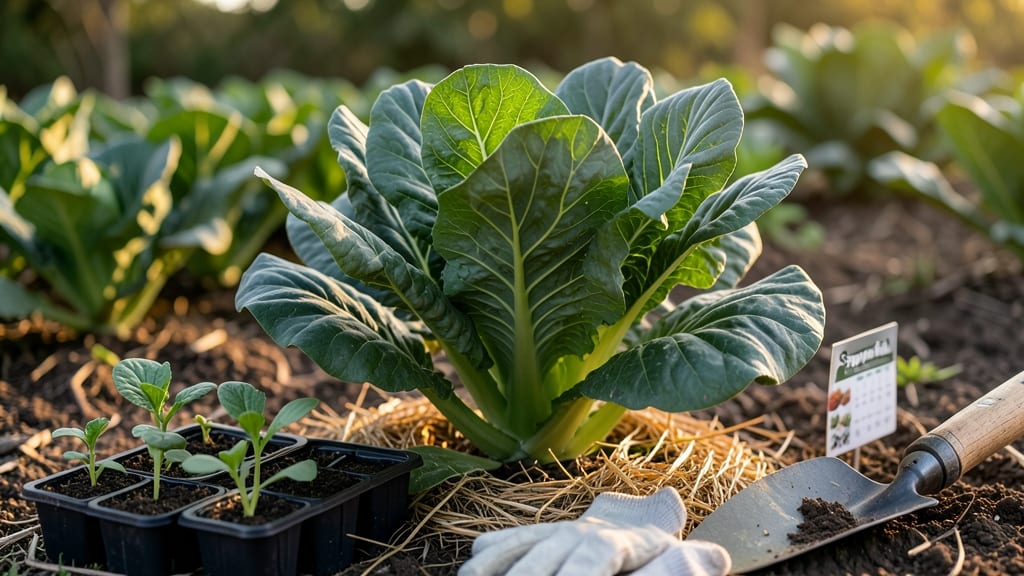
Planting collards in North Carolina at the wrong time can mean the difference between a lush, homegrown harvest and wilted disappointment. This cool-season crop thrives when temperatures are mild, but getting the timing right—whether you're in the Piedmont or Coastal Plain—is key to avoiding bolting or frost damage.
For gardeners in Heat Zones 7b-8a, the ideal windows are surprisingly short: mid-March to early April for spring plantings and late July to mid-August for fall.
Missing these deadlines risks stunted growth or bitter leaves, but with the right preparation, you can enjoy tender 🥬 leaves from October through March.
I’ll break down exactly when to sow seeds versus transplant seedlings, how to prep your soil for maximum success, and why spacing matters. Whether you’re a first-time gardener or a seasoned pro, these tips will help you grow collards that taste as good as they look.
Ready to transform your garden into a year-round collard powerhouse? Let’s dive into the perfect planting schedule—no guesswork required.
Optimal planting dates for collards in North Carolina’s Heat Zones 7b-8a
North Carolina’s Heat Zones 7b-8a offer two ideal windows for planting collards: early spring and late summer. Timing matters because collards thrive in cool weather but bolt (go to seed) when temperatures exceed 80°F.
Let’s break down the exact deadlines for both planting methods—direct sowing and transplanting—to maximize your harvest.
For spring plantings, aim to sow or transplant 4-6 weeks before your last frost date, typically between mid-March and early April in most of NC. This timing ensures your collards mature before summer heat sets in.
In Heat Zone 8a, where winters are milder, you can even start seeds indoors in late February for an earlier transplant.
If you prefer fall plantings, the window narrows but still offers a bountiful harvest. Plant late July to mid-August so your collards mature before the first frost, usually around mid-November. Fall-planted collards often taste sweeter after a light frost, making them a favorite for winter soups and stews.
Here’s a quick reference for direct sowing vs. transplanting in NC’s climate:
| Planting Method | Best Time | Key Consideration |
|---|---|---|
| Direct Sowing (Spring) | Mid-March to early April | Soil temp ≥ 50°F; avoid soggy soil |
| Transplanting (Spring) | Late March to early April | Hardy seedlings handle cooler soil better |
| Direct Sowing (Fall) | Late July to mid-August | Mature before first frost (mid-Nov) |
| Transplanting (Fall) | Early August | Establish roots before heat stress |
The Coastal Plain (Zone 8a) has a slightly longer growing season, so you can push spring plantings to early April and fall plantings to early September.
In the Mountains (Zone 7b), however, stick to the earlier deadlines—mid-March for spring and late July for fall—to avoid early frosts.
Pro tip: Use row covers or cold frames to extend your fall harvest into December. This simple trick can add 4-6 extra weeks of growth before winter sets in, giving you tender collards well into the holiday season.
If you’re new to growing collards, start with transplants instead of seeds for a foolproof harvest. Nurseries in NC typically carry collard seedlings in March and August, aligning perfectly with these planting windows. Just be sure to harden off seedlings for 5-7 days before transplanting to reduce shock.
For direct sowing, plant seeds ½ inch deep and 12-18 inches apart in rows spaced 2 feet apart. Thin seedlings to the strongest 12-inch spacing once they’re 4 inches tall. This spacing ensures good airflow, reducing the risk of fungal diseases like downy mildew.
Remember, collards are biennials that often overwinter in NC’s mild climate. With proper timing and care, your plants may regrow in spring, giving you a second harvest the following year. Just mulch heavily in winter to protect roots from freeze-thaw cycles.
🌱
Optimal planting dates for collards in North Carolina’s Heat Zones 7b-8a
In North Carolina’s Heat Zones 7b-8a, collards thrive when planted during two distinct windows: early spring and late summer. The key is avoiding extreme heat or frost, which can stress or kill your plants.
For most of the state, this means targeting mid-March to early April for spring and late July to mid-August for fall. These timelines align with soil temperatures and daylight changes that collards need to flourish.
Your first step is checking your local last frost date. In NC, this typically falls around mid-March in the Piedmont and slightly later in the Coastal Plain. Planting 4-6 weeks before this date gives seedlings enough time to mature before frost hits.
For example, if your last frost is March 20, aim to transplant seedlings by mid-February or sow seeds directly by late February.
For fall plantings, the goal is to harvest before winter sets in. Since collards take 60-70 days to mature, start seeds or transplant seedlings by mid-August at the latest.
This ensures your crop is ready to harvest by October or November, just before the first hard frost in mid-November. In warmer coastal areas, you might push this window slightly later.
| Planting Window | Action | Notes |
|---|---|---|
| Spring (Heat Zone 7b-8a) | Transplant seedlings: Mid-March | Soil temp: 50°F+, 6+ hours sun |
| Spring (Direct Sow) | Sow seeds: Late February | Use row covers for frost protection |
| Fall (Heat Zone 7b-8a) | Transplant seedlings: Late July | Harvest before first frost (Nov 15) |
| Fall (Direct Sow) | Sow seeds: Mid-August | Choose fast-maturing varieties |
Direct sowing versus transplanting depends on your comfort level and local conditions. Transplants give you a head start, especially in cooler springs, while direct sowing can save money and reduce transplant shock.
If you choose to direct sow, start seeds indoors 4-6 weeks before your target outdoor date to ensure they’re robust enough for the garden.
Spacing is another critical factor. Collards need 12-18 inches between plants to avoid competition for nutrients and sunlight. In rows, space them 18-24 inches apart to allow for easy harvesting and airflow, which reduces the risk of fungal diseases like downy mildew.
Mulching with straw or shredded leaves also helps retain moisture and regulate soil temperature, especially in NC’s fluctuating climate.
Pro tip: If you’re in a cooler microclimate (like the mountains), you can extend your spring window by planting as early as February. Conversely, in the warmer Coastal Plain, wait until early April to avoid heat stress.
Always monitor your plants for signs of bolting (premature flowering) if temperatures rise above 85°F for prolonged periods.
By following these timelines and tips, you’ll set your collards up for success, ensuring a steady supply of tender, flavorful leaves all season long. Happy planting! 🥬