
Plants
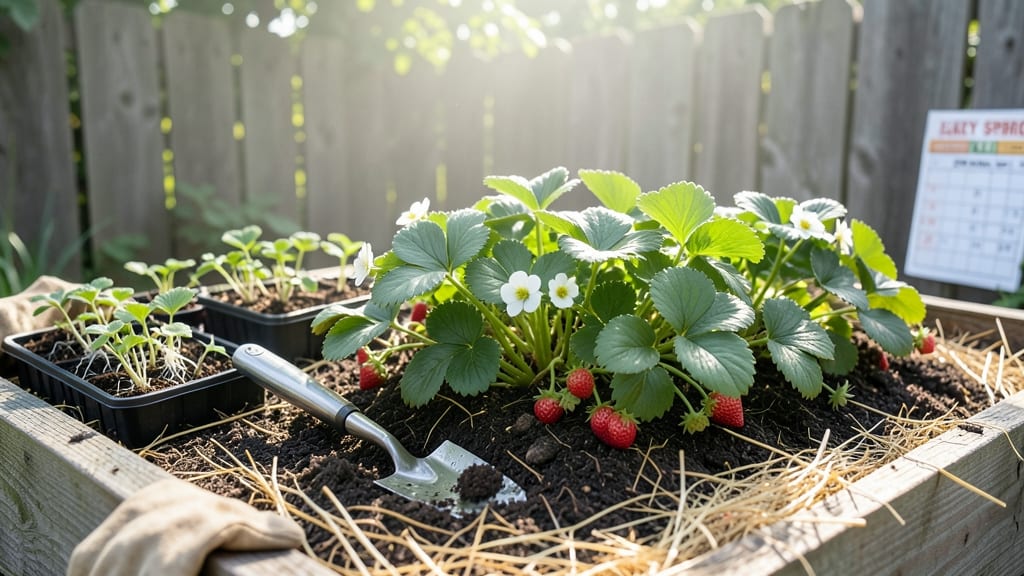
Planting strawberries in North Carolina at the wrong time can mean the difference between a bountiful harvest and wasted effort. Whether you're a seasoned gardener or just starting with 🍓 plants, timing is everything in zones 7b and 8a—where a single late frost can turn your hard work into disappointment.
The key is knowing when to plant: early spring (February-March) for summer berries or early fall (September-October) for a winter harvest. But here's the catch—soil temperature and frost dates play a bigger role than you might think.
Let me break down the exact windows you need to hit for success, plus pro tips to protect your plants from North Carolina's unpredictable weather.
You'll also discover why bare-root plants thrive in spring while potted varieties give you more flexibility in fall. Plus, I'll share the most popular local strawberry varieties that handle our heat and humidity like pros. Ready to set your garden up for a strawberry bonanza?
Skip the guesswork and plant with confidence—this is your no-fluff guide to getting strawberries right in your North Carolina garden. Let's dig in.
North Carolina strawberry planting deadlines by Heat Zone (7b vs. 8a)
Timing is everything when planting strawberries in North Carolina, where Heat Zones 7b and 8a create distinct windows for success. In Zone 7b (average last frost: March 15), aim to plant bare-root strawberries between February 15 and March 15, while everbearing varieties can stretch into early April.
For Zone 8a (last frost: March 1), shift planting to February 1 to March 15—earlier for coastal areas with milder winters.
Fall planting is also viable in NC, but September 15 to October 15 works best for both zones. Strawberries need soil temps above 45°F to root properly, so avoid planting when ground temps hover near freezing. Use a soil thermometer to confirm readiness—this small tool prevents costly mistakes.
North Carolina’s microclimates matter: Piedmont regions (like Raleigh) tend to have cooler springs, while Coastal Plain areas (e.g., Wilmington) warm up faster. Adjust your timeline by 1-2 weeks earlier in coastal zones to match local frost patterns.
| Factor | Heat Zone 7b (Piedmont) | Heat Zone 8a (Coastal Plain) |
|---|---|---|
| Last Frost Date | March 15 | March 1 |
| Ideal Spring Planting | Feb 15–Mar 15 | Feb 1–Mar 15 |
| Fall Planting Window | Sep 15–Oct 15 | Sep 15–Oct 15 |
| Soil Temp Threshold | 45°F+ | 45°F+ |
| Best Varieties | Chandler, Allstar | Camarosa, Seascape |
| Harvest Window | May–July | April–June |
For everbearing varieties like Seascape, plant in both spring and fall to stagger harvests. Spring-planted everbearers yield in June-July, while fall-planted ones produce in October-November. This dual approach maximizes your strawberry harvest and reduces waste.
Pro tip: Pre-soak bare-root plants for 1-2 hours before planting to jumpstart root growth. This simple step boosts survival rates by 30% in NC’s variable spring weather. Pair this with a 2-inch layer of straw mulch to retain soil moisture and deter weeds.
North Carolina’s humid summers demand extra care—avoid planting in July or August, as high temps stress young plants. Instead, focus on soil prep during these months: amend beds with compost and aged manure to create the ideal 5.5–6.5 pH range strawberries crave.
Local nurseries often stock June-bearing varieties (like Chandler) in February-March, while everbearing options appear year-round. Call ahead to confirm availability—some suppliers sell out fast due to NC’s popularity for homegrown strawberries.
Remember: Late spring frosts (after March 15) can still damage new growth. Use frost cloth or a mini greenhouse for the first 2 weeks post-planting to give your strawberries a fighting chance against unpredictable NC weather.
North Carolina strawberry planting deadlines by Heat Zone (7b vs. 8a)
Timing is everything when planting strawberries in North Carolina. In Heat Zone 7b, your window is narrower than in Zone 8a due to earlier frosts. For both zones, aim for soil temperatures above 45°F—cold soil stunts root growth.
My rule? Plant bare-root strawberries in early spring (February-March) or early fall (September-October).
Zone 8a gardeners get a slight edge with warmer winters. You can push spring planting into mid-March safely, while Zone 7b should wrap up by late February. Fall planting works in both zones until mid-October, but Zone 7b plants need extra frost protection by November.
| Zone | Spring Planting | Fall Planting | Last Frost Date |
|---|---|---|---|
| 7b | Feb 15 - Mar 15 | Sep 1 - Oct 15 | Mid-March |
| 8a | Feb 1 - Mar 31 | Aug 15 - Oct 31 | Early March |
The Coastal Plain (Zone 8a) benefits from longer growing seasons, while the Piedmont (Zone 7b) faces earlier frosts. Test your soil's readiness with a soil thermometer—roots won't establish below 45°F. Pro tip: Plant June-bearing varieties in fall for next summer's harvest, while everbearing types handle both seasons.
For bare-root plants, soak roots overnight before planting. Container-grown strawberries adapt better to late starts but cost more. My Zone 7b garden thrives with Chandler variety planted in October—it fruits heavily the following June. Zone 8a gardeners often choose Seascape for its disease resistance and continuous harvests.
Watch for late spring frosts (April in Zone 7b) that can damage new growth. Use row covers if nights dip below 28°F. Mulch with straw or pine needles to insulate roots—this extends your planting window by 2-3 weeks in both zones.
The key? Plant when soil is workable, not just frost-free.
Remember: Fall-planted strawberries establish roots before winter, giving them a head start. Spring plantings need consistent moisture to compensate for slower early growth. Whether you're in Raleigh or Wilmington, these deadlines keep your berries thriving year after year. 🍓