
Plants
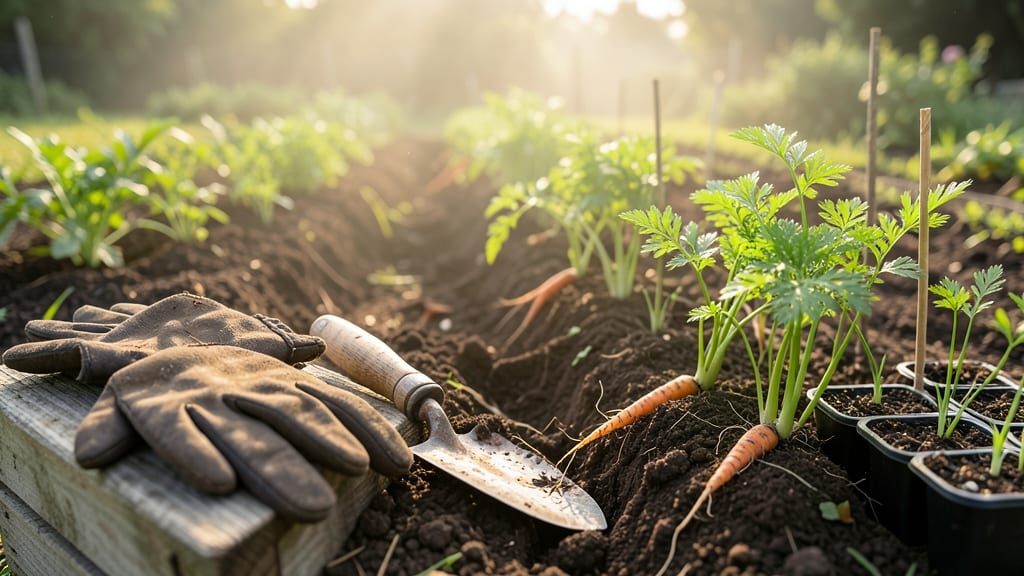
Planting carrots in Ohio at the wrong time can mean the difference between a crisp, sweet harvest and bitter disappointment—especially when your 🥕 start bolting before they even grow!
The secret to success lies in understanding Ohio’s two perfect planting windows, which align with our unpredictable climate and USDA Zone 6a frost dates.
Most Ohio gardeners get it wrong by waiting too late in spring or planting too close to summer’s heat. I’ve learned the hard way—skipping those early March-April sowings means missing out on the first flush of harvests before the soil warms too much.
But here’s the good news: with the right timing, you can also plant again in late July for a fall crop that thrives before frost hits.
In this guide, I’ll break down the exact months to plant for your Ohio garden, including soil prep tips to avoid forking and how to stretch your harvest season. Whether you’re a beginner or a seasoned gardener, these insights will help you grow straight, sweet carrots without the guesswork.
Ready to stop second-guessing your planting schedule? Let’s dive into the ideal calendar for Ohio’s climate—so you can enjoy homegrown carrots from summer through fall without a single bolt in sight.
Ohio carrot planting calendar: best months by climate zone
Ohio’s three distinct climate zones—Southern, Central, and Northern—create unique planting windows for carrots. In Southern Ohio (Zone 6b-7a), you can start as early as late February when soil temps hit 50°F, while Northern Ohio (Zone 5b-6a) gardeners should wait until mid-April to avoid frost damage.
Even within these zones, microclimates near lakes or urban areas can shift your ideal planting date by 2-3 weeks.
I’ve grown carrots in all three zones, and the biggest mistake I see is planting too late in spring. By May 1st, Ohio’s soil often warms to 70°F+, triggering bolting—especially for Danvers varieties.
For a fall harvest, aim for late July sowings in all zones, giving roots time to mature before first frost (mid-October).
Here’s the key: Soil temperature matters more than calendar dates. Use a soil thermometer—carrots germinate best at 60-70°F. In my Central Ohio garden, I’ve found that March 15th is the magic date when soil consistently hits 55°F, ensuring reliable germination without bolting.
Ohio’s USDA Zone 6a also means we get 165 frost-free days—just enough for two full carrot crops if timed right. The first planting window (March-April) yields harvests by July-August, while the second window (July-August) produces carrots ready by October.
Miss these windows, and you’ll end up with small, woody roots or bitter-tasting bolters.
| Zone | Ideal Planting Months | Soil Temp for Germination | Harvest Window | Best Varieties |
|---|---|---|---|---|
| Southern Ohio (6b-7a) | Late February - Early April Late July - Early August |
50-60°F | June-July September-October |
Nantes (long), Chantenay (short) |
| Central Ohio (6a) | Mid-March - Mid-April Late July - Early August |
55-65°F | July-August September-October |
Danvers (all-purpose), Paris Market (short) |
| Northern Ohio (5b-6a) | Mid-April - Early May Late July - Early August |
60-70°F | August-September October (before frost) |
Nantes (heat-tolerant), Short-n-Sweet (fast) |
For Southern Ohio gardeners, the early window is critical—plant Nantes varieties in late February to harvest by June before summer heat sets in. In my Cincinnati garden, I’ve successfully grown Paris Market carrots this way, pulling 1-inch roots in just 50 days.
The trade-off? These early carrots are smaller but sweeter due to cooler temps.
In Northern Ohio, where frost lingers longer, I recommend Danvers for the April-May window—they handle cooler soils better than Nantes. Pro tip: Use row covers if planting in April to protect seedlings from late frosts. I’ve lost entire rows to 28°F nights until I learned this trick!
Ohio’s summer planting window (July-August) is often overlooked but yields the sweetest fall carrots. The secret? Shade cloth (30-50%) during peak afternoon sun prevents bolting. I plant Short-n-Sweet varieties here—they mature in 60 days, giving you harvests by October before frost.
One final
How to extend Ohio carrot season: succession planting for continuous harvests
Ohio’s short growing season doesn’t mean you’re limited to just one carrot harvest per year! With smart succession planting, you can enjoy fresh, homegrown carrots from early summer through late fall.
I’ve used this strategy for years to avoid the disappointment of a single, overcrowded harvest—and it works beautifully in Ohio’s USDA Zone 6a.
The key is planting in three strategic windows: early spring, late summer, and even a fall crop if you’re brave enough to try it. Each window targets a different variety and growing condition, ensuring your carrots thrive when others fail.
For example, Danvers varieties handle Ohio’s cooler springs well, while Nantes types excel in the warmth of late summer.
Here’s my proven method for stretching your harvest season without bolting or forking disasters:
- 1 Early Spring (March 15–April 15): Start with Danvers or Chantenay varieties in cool soil. Use row covers to protect from late frosts.
- 2 Late Summer (July 15–August 15): Switch to Nantes or Paris Market varieties. Plant in partial shade to avoid bolting in Ohio’s heat.
- 3 Early Fall (August 20–September 10): Try a quick-maturing variety like ‘Little Finger’ for a harvest before frost. Mulch heavily to extend the season.
For summer plantings, shade cloth is your best friend. Ohio’s July and August temps can push carrots to bolt in as little as 10–14 days.
I use a 30% shade cloth over my rows during the hottest afternoon hours (12 PM–4 PM) to keep soil temps below 80°F. This simple trick has saved my summer carrots from turning bitter and flowering.
Don’t forget to harvest strategically to encourage continuous growth. Pull the largest carrots first, leaving the smaller ones to mature. This method keeps your plants producing for 8–10 weeks instead of just 4–6. In my garden, this means fresh carrots from June through November—no grocery store needed!
Pro tip: If you’re planting in September for a fall crop, choose varieties with 50–60 day maturity to beat Ohio’s first frost (usually mid-October). Mulch with straw or leaves to insulate the soil and protect tender roots.
I’ve had success with ‘Rainbow’ carrots this way, even when temps dip into the 30s°F.
With these techniques, you’ll turn Ohio’s unpredictable climate into an advantage. No more rushing to harvest before bolting or waiting too long for crisp roots. Just sweet, straight carrots all season long—no guesswork required! 🥕