
Plants
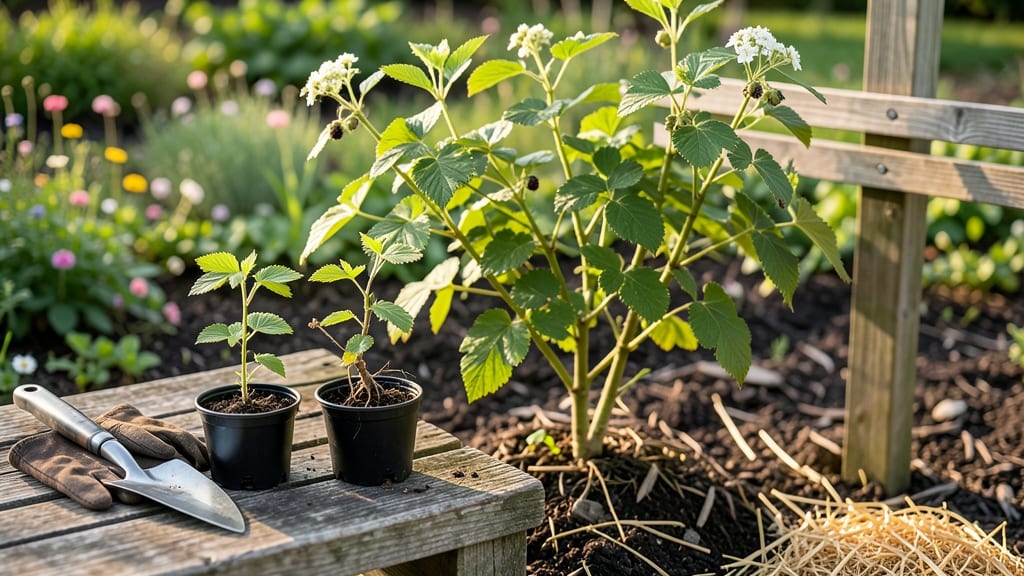
Planting blackberries in Texas at the wrong time can mean struggling with heat stress, poor establishment, or even failed harvests—so timing is everything for thriving 🫐 bushes.
Whether you're in North Texas where frosts linger into March or South Texas where summer arrives early, getting the window right makes all the difference. The best months to plant are late winter through early spring or fall, when temperatures are mild and the ground is workable.
Most Texas gardeners find success planting between February and March for spring growth or September and October for fall establishment. This timing helps young plants avoid extreme heat or cold snaps that can stunt their development. Summer-bearing varieties need these cooler periods to root properly before summer's intensity hits.
Don't make the mistake of planting too early when soil is still cold or too late when summer heat is already setting in. The key is preparing your soil with compost and mulching heavily to retain moisture—critical in Texas's dry climate.
With the right timing and care, your blackberries will establish strong roots and reward you with bountiful harvests from late spring through fall.
I'll walk you through exactly how to prepare your blackberries for Texas's unique growing conditions, from soil prep to watering schedules that keep them thriving. Let's get those bushes off to the best possible start!
Best months to plant blackberry bushes in Texas (by region)
Texas gardeners know timing is everything—especially when planting blackberry bushes that thrive in our hot summers and mild winters. The best planting windows depend on your region, with fall planting (September-October) being ideal for most areas.
This gives roots time to establish before summer heat arrives. Spring planting (February-March) works too, but requires extra care to prevent heat stress.
North Texas gardeners (USDA Zones 7b-8a) should aim for late February to early March or September to early October. Central Texas (Zones 8a-8b) has a slightly longer window—late January to March or September to November.
South Texas (Zones 9a-10b) can plant December to February or August to October, avoiding the brutal summer heat.
Here’s the key: Blackberries need 6-8 weeks to establish roots before summer’s 100°F+ temperatures arrive. Planting too late means struggling with heat stress and poor fruit production. Let’s break it down by region for perfect timing.
| Region | USDA Zone | Best Planting Months | Last Frost Date | Notes |
|---|---|---|---|---|
| North Texas | 7b-8a | Late Feb - Early Mar Sep - Early Oct |
Feb 15 | Avoid spring planting after March 15; prioritize fall for root establishment. |
| Central Texas | 8a-8b | Late Jan - Mar Sep - Nov |
Feb 1 | Fall planting extends into November; spring planting must finish by March 10. |
| South Texas | 9a-10b | Dec - Feb Aug - Oct |
Jan 15 | Avoid summer planting; focus on cooler months to prevent heat shock. |
For summer-bearing varieties (like 'Arapaw' or 'Natchez'), plant in fall to ensure fruit sets the following late spring. Fall-bearing varieties (like 'Ouachita' or 'Chester') produce fruit in both seasons, so timing matters less—but still prioritize September-October for best results.
Texas’ variable frost dates add complexity. North Texas can see late frosts into March, while South Texas rarely drops below 30°F. Always check your local first frost date and plant 6-8 weeks before to give roots time to anchor. Use mulch to protect young plants from temperature swings.
Pro tip: Bare-root plants (available in fall) establish faster than container-grown ones. If you must plant in spring, choose container-grown blackberries to reduce transplant shock. Water deeply immediately after planting and keep soil moist for the first 4-6 weeks.
One common mistake? Planting too late in spring when temperatures are already climbing. By April, Texas heat can stress young blackberry canes, leading to poor root growth and reduced yields. Always aim to finish spring planting by March 15 in North Texas and March 31 in Central/South Texas.
Remember: Texas blackberries thrive with patience. A well-timed fall planting can mean juicy berries by next summer, while a rushed spring planting might leave you waiting years for a harvest. Choose your window wisely, and your bushes will reward you with sweet, sun-ripened fruit for decades.
Best months to plant blackberry bushes in Texas (by region)
Texas’s diverse climate means blackberry planting times vary dramatically from North to South. In North Texas (USDA Zones 7b-8a), where last frosts often hit mid-February, aim for late February to early March for spring planting. Fall planting (September-October) is also ideal, giving roots time to establish before winter.
For Central Texas (Zones 8a-8b), with last frosts around January 15, February-March works for spring, while September-October is perfect for fall. South Texas (Zones 9a-10b) gardeners have the longest window—January-March for spring or September-November for fall—thanks to milder winters.
Why timing matters: Planting too early risks frost damage, while late planting stresses young canes in Texas’s brutal summer heat. Fall planting is often preferred because established roots handle summer drought better.
📅 Texas Blackberry Planting Calendar
| Region | Best Planting Months | Last Frost Date | Key Consideration |
|---|---|---|---|
| North Texas | Late Feb–Early Mar, Sep–Oct | Mid-February | Avoid spring heat stress |
| Central Texas | Feb–Mar, Sep–Oct | Mid-January | Balanced frost risk |
| South Texas | Jan–Mar, Sep–Nov | Early January | Longer growing season |
For summer-bearing varieties (like 'Arapaw' or 'Natchez'), prioritize fall planting—they need chilling hours to fruit well. Fall-bearing types (e.g., 'Chester') are more flexible but still thrive with September-October starts.
Pro tip: Check local frost dates via Texas A&M AgriLife or plant 1-2 weeks after your area’s average last frost. Heat-tolerant varieties like 'Ouachita' handle Texas summers better but still need early establishment.
Missed the window? Container planting extends flexibility—just move pots to shade during 100°F+ heat waves. Mulch heavily to protect roots year-round.