
Plants
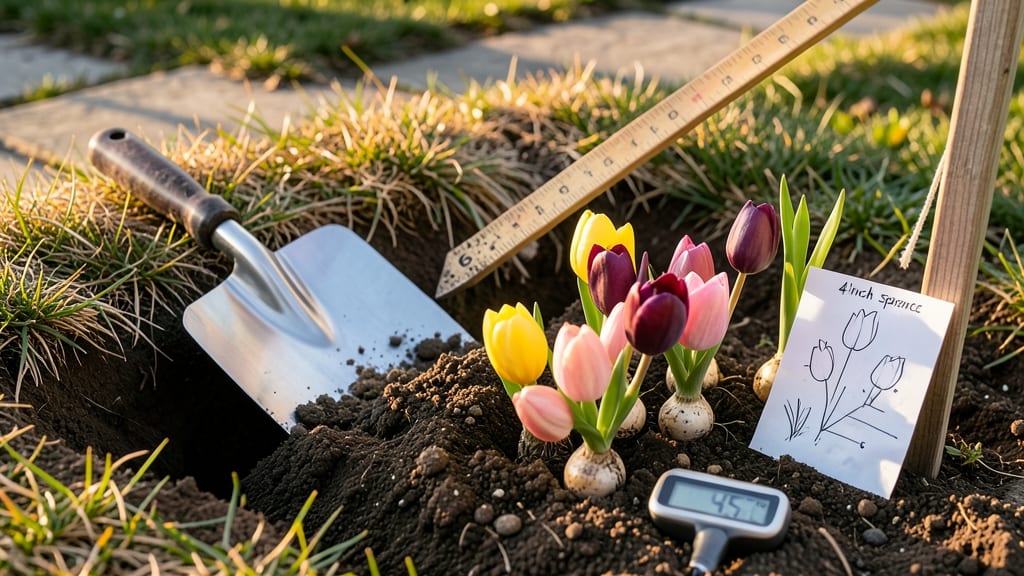
Planting tulips in the ground 🌷 in the wrong season could mean waiting another year for those show-stopping spring blooms—and nobody wants that! The key to vibrant tulips lies in timing them perfectly with your local frost dates, not just guessing when fall arrives.
Most gardeners in USDA Zone 6 (like me!) know October through December is the sweet spot, but did you know planting too early in warm climates can trigger premature sprouting? Or that bulbs need 4-6 weeks before the ground freezes to establish roots?
I’ll break down exactly when to plant in your area, plus how to prep soil for maximum bloom success.
Whether you’re a first-time gardener or a seasoned pro, getting this right makes all the difference. You’ll learn how to adjust for early/late frosts, what to do if your timing’s off, and even how to protect your bulbs through winter. Let’s make next spring your tulip’s star moment!
No more guessing—just proven strategies to turn your garden into a tulip paradise. Ready to dig in? The clock’s ticking, and those bulbs won’t plant themselves!
The perfect fall planting window for tulips (by climate Zone)
Timing your tulip planting is like catching a fall wave—miss it, and you’ll wait another year for those showstopping blooms. The ideal window is 6 weeks before the ground freezes, but this varies dramatically by USDA zone and even your local microclimate.
For most gardeners in Zones 3-7, that means planting between mid-October and mid-November, while warmer zones (8-10) can stretch into December.
Why fall? Tulips need a cold dormancy period to break dormancy and bloom in spring. Planting too early (like September) in warm climates can trigger premature sprouting, while planting too late (after first frost) risks bulbs rotting in soggy soil.
The key is soil temperature: aim for 40-50°F (4-10°C)—cold enough to slow growth but not yet frozen.
Here’s the golden rule: Plant tulips when your lawn stops growing for the season. This natural signal aligns with soil cooling, giving bulbs the perfect head start.
In Zone 6 (like much of the Midwest), that’s typically late October, while Zone 9 gardeners can wait until early December.
Regional tweaks matter! In the Pacific Northwest, where winters are wet but mild, plant by November 1st to avoid bulb rot from overwatered soil. In the Deep South (Zones 8-10), where frosts are rare, plant after Thanksgiving to mimic natural dormancy.
Even a 1-2 week delay can mean the difference between vibrant blooms and no flowers at all.
🌷 PRO TIP: Use your local frost date as a guide. Check the National Weather Service or plant your bulbs 4-6 weeks before the average first frost. For example, if frost hits November 15th, plant by October 15th. This buffer ensures bulbs establish roots before winter sets in.
Let’s break it down by zone with a comparison table to help you pinpoint the perfect week for your region:
| USDA Zone | Ideal Planting Window | Soil Temp Goal | Key Landmark |
|---|---|---|---|
| 3-4 (Cold Climates) | Early September to mid-October | 40-50°F (4-10°C) | After summer heatwave ends |
| 5-6 (Midwest/Northeast) | Mid-October to November 1st | 45-55°F (7-13°C) | When lawn stops growing |
| 7-8 (South/Central US) | Late October to December 1st | 50-60°F (10-15°C) | After Thanksgiving |
| 9-10 (Deep South) | December 1st to January 15th | 55-65°F (13-18°C) | Before holiday rains |
For Southern Hemisphere gardeners (like in Australia or New Zealand), flip the script: plant tulips in late winter (August-September) for spring blooms. The principle stays the same—6 weeks before frost—but your seasons are reversed.
Even in these regions, soil temperature is your best friend: wait until the ground cools to 50°F (10°C).
One common mistake is assuming "fall" means September across the board. In warm climates (Zones 8-10), planting in September can cause bulbs to sprout too early, leaving them vulnerable to freeze damage or pests.
Instead, wait until November or December to mimic natural dormancy cycles. Think of it like hibernation prep: bulbs need time to root deeply before winter’s chill.
If you’re unsure about your last frost date, use a soil thermometer ($10 at garden centers) to check temperatures at 6-inch depth. When it dips to 50°F (10°C) consistently at night, it’s time to plant.
This method works everywhere, from Alaska’s Zone 2 to Florida’s Zone 9. Pro tip: Plant in the morning to avoid evening frosts that can stress fresh bulbs.
Finally, don’t overlook microclimates. A north-facing slope stays cooler longer than a south-facing garden bed, so adjust your timing accordingly. For example, if your yard has a sunny, sheltered spot that warms up faster, plant bulbs 1-2 weeks later than the general guideline. The goal
The perfect fall planting window for tulips (by climate Zone)
Tulips thrive when planted in fall, but the exact timing depends on your USDA zone and local frost patterns. The golden rule? Plant bulbs 4-6 weeks before the ground freezes—this gives roots time to establish before winter dormancy.
In Zone 6 (like much of the Midwest), that’s typically mid-October to early November, but zones with earlier frosts (like Zone 3) may need to plant as early as September.
Southern climates (Zones 7-10) have a longer window—plant November through January—but avoid planting too early when soil temperatures stay above 60°F, which can trigger premature sprouting. The key is balancing soil temperature (ideal: 40-50°F) and frost timing to ensure bulbs root but don’t rot.
🌷 PRO TIP: Use your local first frost date as your deadline. For example, if frost hits November 15, aim to plant by October 15. Check the National Weather Service or Old Farmer’s Almanac for your area’s averages.
🌍 Tulip Planting Window by USDA Zone
| Zone | Ideal Planting Month | Soil Temp Threshold | Key Adjustment |
|---|---|---|---|
| 3-4 (Cold Climates) | September-October | 40-50°F | Plant early; frost comes sooner |
| 5-6 (Midwest/Northeast) | October-November | 45-55°F | Aim for 6 weeks before frost |
| 7-8 (South/Central) | November-December | 50-60°F | Wait until soil cools below 60°F |
| 9-10 (Coastal/Southwest) | December-January | 55-65°F | Plant in winter; minimal frost risk |
Regional quirks matter! For example, the Pacific Northwest (Zone 7-8) often has milder winters, so you can plant later—even into December—as long as soil temps stay cool.
Meanwhile, the Deep South (Zone 9-10) may need winter chill hours (300-500 hours below 45°F) for reliable blooms, so choose chill-loving varieties like ‘Darwin Hybrid’ tulips.
Missed the fall window? Don’t panic! Tulips can also be planted in early spring (as soon as the ground is workable), though blooms may arrive 2-4 weeks later than fall-planted bulbs. Just be prepared for less robust growth since roots won’t establish as deeply before summer heat sets in.
For container gardening, follow the same timing rules but use well-draining potting mix and plant bulbs slightly deeper (8-10 inches). Containers warm up faster, so monitor soil temps closely—if they stay above 50°F for weeks, your bulbs may sprout too early and suffer in heat.