
Companion Plants
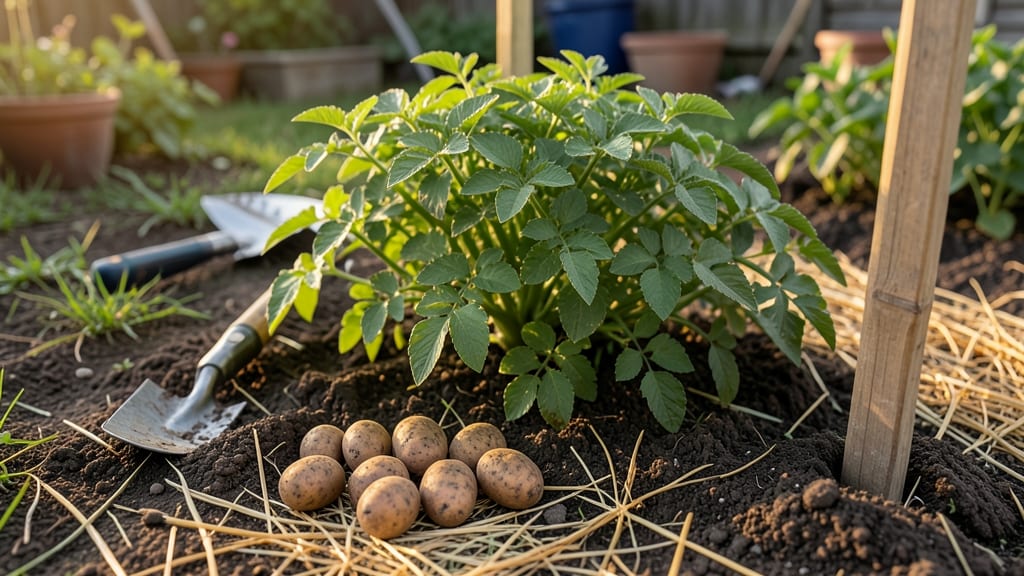
Planting potatoes in Zone 7B at the wrong time can leave you with stunted tubers or worse—frost-nipped sprouts before they even get started.
The key to a successful harvest lies in understanding your local frost dates and soil temperatures, which vary more than you might think even within the same zone.
I’ve learned the hard way that rushing your 🥔 into cold soil or planting too late means missing out on that first flush of early varieties. Whether you’re a first-time gardener or a seasoned grower, getting the timing right can mean the difference between a bountiful harvest and wasted effort.
In this guide, I’ll break down the exact soil temperature thresholds (45–55°F) and frost-free windows you need to target, plus how to adjust for early, mid-season, and late varieties. You’ll also discover how row covers and succession planting can stretch your growing season—because in Zone 7B, every extra week counts.
Ready to dig in? Let’s make sure your potatoes get the perfect start, no matter where you are in the zone.
Zone 7B potato planting timeline: frost dates & soil temperature rules
Planting potatoes in Zone 7B requires precise timing to avoid frost damage while maximizing your harvest yield. Unlike cooler zones, Zone 7B's mild winters and warm springs create a unique window for both spring and fall planting.
The key is understanding your last frost date—typically between March 15 and April 15—and ensuring soil temperatures reach the ideal 45-55°F range.
For most of Zone 7B, including cities like Raleigh, NC or Richmond, VA, the optimal planting window spans 2-3 weeks before your last frost to 2 weeks after. This gives early varieties time to mature before summer heat sets in.
However, late varieties can handle planting up to June 1 for a fall harvest before the first frost in October-November.
🌱 Pro Tip: Use a soil thermometer to confirm readiness—potatoes won't sprout until soil hits 45°F. In cooler microclimates (like higher elevations), wait until soil warms to 50°F to prevent rot.
| Planting Window | Soil Temp Requirement | Key Considerations |
|---|---|---|
| Spring (Early Varieties) | 45-55°F | Plant 2-3 weeks before last frost; harvest by July 4th to avoid heat stress. |
| Spring (Mid-Season) | 50-60°F | Plant after last frost; ideal for June harvests. |
| Fall (Late Varieties) | 55-65°F | Plant by June 15th; harvest before first frost (Oct-Nov). |
| Microclimate Adjustments | Varies | Higher elevations? Delay planting by 1-2 weeks. Urban areas may warm faster. |
Zone 7B's frost-free season averages 200-240 days, but your exact timeline depends on elevation and proximity to water bodies. For example, Charlottesville, VA (Zone 7B) has a last frost around March 20, while Asheville, NC (higher elevation) may see frost until April 10.
Check your local Almanac or NOAA frost maps for precise data.
If you're unsure about your last frost date, use the "50°F soil rule": Plant when soil consistently stays above 50°F for 5 consecutive days. This method works even if frost dates are unreliable.
For fall planting, aim to harvest before first frost, which in Zone 7B typically arrives between October 15 and November 15.
🌡️ Temperature Warning: Potatoes planted in cold soil (<45°F) are prone to watery rot, while soil above 70°F can cause stunted tubers. Use black plastic mulch or straw to regulate soil temps if needed.
For succession planting, stagger varieties every 2 weeks from spring through early summer. This ensures a continuous harvest and reduces pest pressure. For instance, plant Yukon Golds in early spring, Russets in late spring, and Red Pontiacs in early summer for a 3-month harvest window.
📅 Zone 7B Planting Calendar:
- Early March: Start seeds indoors (if using transplants).
- Mid-April: Plant early varieties (e.g., Kennebec).
- Late April-Early May: Plant mid-season varieties (e.g., Adirondack Blue).
- June 15: Deadline for fall planting (late varieties like German Butterball).
Remember, Zone 7B's mild climate allows for two harvests per year if you plan carefully. By mastering these soil temperature rules and frost-free windows, you'll transform your potato patch from hit-or-miss to consistently productive.
Zone 7B potato planting timeline: frost dates & soil temperature rules
Zone 7B spans regions like northern Virginia, parts of North Carolina, and the southern Appalachians, where average last frost dates range from late March to early April. However, microclimates can shift these dates by 2–3 weeks—so don’t rely solely on the calendar.
The golden rule for potato planting? Wait until the soil reaches 45–55°F at a depth of 4 inches.
Cold soil slows germination, leaving your potato seeds vulnerable to rot. I’ve seen firsthand how planting too early in chilly soil can turn a promising crop into a sad, moldy mess. Use a soil thermometer for accuracy—it’s the only way to beat guesswork.
Here’s the breakdown for Zone 7B: Aim for 2–4 weeks after your last frost date, but confirm with local weather records. For example, in Roanoke, Virginia, early April is typically safe, while in Asheville, North Carolina, you might wait until mid-April.
Always check the National Weather Service or your local cooperative extension for updates.
Zone 7B Potato Planting Timeline
| Stage | Action | Soil Temp |
|---|---|---|
| Early Varieties | Plant 2–4 weeks after last frost | 45–50°F |
| Mid-Season Varieties | Plant 4–6 weeks after last frost | 50–55°F |
| Late Varieties | Plant 6–8 weeks after last frost | 55°F+ |
| Fall Planting | 8–10 weeks before first frost | 50–55°F |
Note: Adjust for early vs. late varieties—early types (like 'Yukon Gold') thrive in cooler soil, while late types (like 'Russet') need warmth.
Don’t overlook fall planting in Zone 7B! While less common, planting in late summer (around August) can yield a second crop. Choose early-maturing varieties like 'Red Norland' and aim to harvest before the first frost in October or November. Just ensure your soil stays above 50°F for consistent germination.
Pro tip: If your soil is slow to warm, try black plastic mulch to raise temperatures by 5–10°F. I’ve used it to shave weeks off the season in cooler pockets of the zone. Just remove it once sprouts emerge to avoid overheating.
Finally, keep an eye on frost forecasts—even in Zone 7B, late frosts can sneak in. If nighttime temps dip below 32°F after planting, cover your rows with frost cloth or straw mats. It’s a small effort that saves your crop from disaster.