
Plants
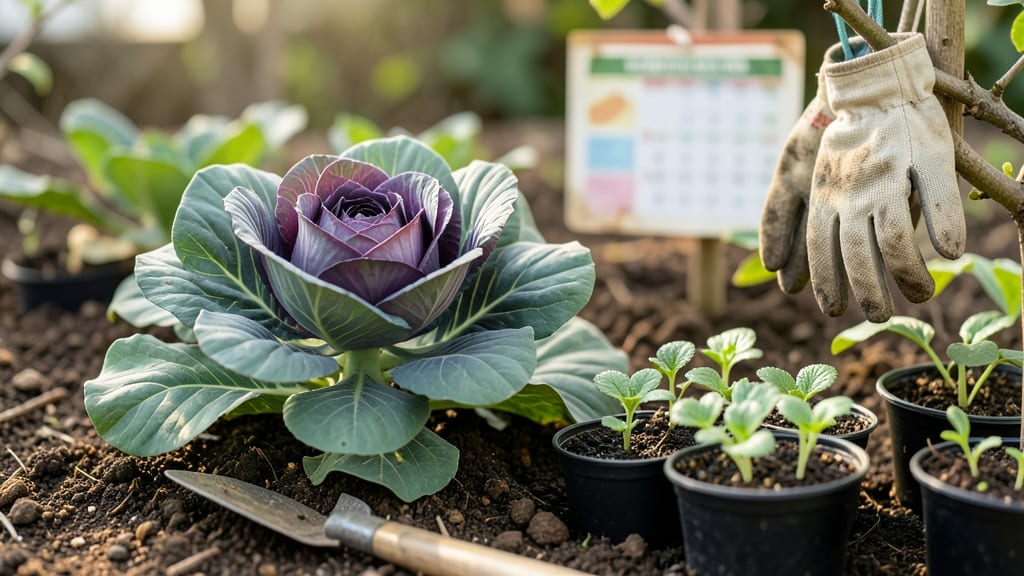
Planting cabbage in North Carolina might seem straightforward, but getting the timing right is the key to avoiding frost damage or bitter-tasting heads. Whether you're a seasoned gardener or just starting out, knowing when to plant your 🥬 is crucial for a successful harvest.
With North Carolina's diverse climate zones—from the Coastal Plain to the Mountains—your planting window can shift by weeks depending on where you live.
The ideal time to start is 4-6 weeks before your last frost date, usually between March and April for spring crops, but fall planting in August or September can also yield great results.
Many gardeners make the mistake of planting too early or too late, leading to stunted growth or early bolting.
I’ll walk you through the exact steps to time your planting perfectly, whether you're aiming for a spring harvest in June or July or a fall one in October or November.
By the end of this guide, you’ll know exactly when to plant cabbage in your specific North Carolina zone, how to prepare your soil, and how to protect your plants from unexpected frost. Let’s get those heads growing strong!
North Carolina cabbage planting calendar: spring vs fall windows by climate zone
North Carolina’s three distinct climate zones—Coastal, Piedmont, and Mountain—each demand unique cabbage planting timelines. The last frost date shifts dramatically from the Coastal Plain’s March 15 to the Mountains’ April 1, forcing adjustments for gardeners across the state.
Understanding these windows ensures zero-frost success and avoids summer bolting.
For spring planting, aim to sow seeds or transplant 4-6 weeks before your region’s last frost. In fall, start 10-12 weeks before the first frost (typically August-September). These timelines align with cabbage’s 70-90 day maturity window, ensuring harvests before summer’s heat or winter’s chill.
Soil temperature is critical: cabbage seeds need 40-50°F soil to germinate, while transplants thrive at 55-65°F. In NC’s Zone 7a-8b, this means March-April for spring and late August for fall crops. Microclimates—like sheltered valleys or urban heat islands—can shift these windows by 1-2 weeks.
Here’s how NC’s three regions differ in planting windows and key adjustments:
| Region | Last Frost Date | Spring Planting Window | Fall Planting Window | Key Adjustment |
|---|---|---|---|---|
| Coastal Plain (Zone 8a-8b) | March 15 | February 28 - March 15 | August 15 - September 1 | Use heat-tolerant varieties (e.g., 'Golden Acre') for late summer. |
| Piedmont (Zone 7b) | March 22 | March 1 - March 20 | August 1 - August 15 | Extend fall season with row covers to delay frost. |
| Mountains (Zone 7a) | April 1 | March 15 - March 31 | July 20 - August 10 | Prioritize early-maturing varieties (e.g., 'Early Jersey Wakefield'). |
Direct sowing vs. transplanting also impacts timing. For direct sowing, plant seeds 2-3 weeks earlier than transplants, since seedlings take 4-6 weeks to establish. In NC’s Coastal Plain, this means sowing seeds by February 15 for spring harvests.
Meanwhile, transplants (purchased from nurseries) can go in 2 weeks later, giving you flexibility.
Succession planting is a game-changer for NC gardeners. By staggering plantings every 2-3 weeks from March to May, you’ll enjoy continuous harvests through summer. For fall, repeat this strategy from July to August to avoid a single large harvest that spoils before you can use it.
Watch for soil temperature spikes in late spring, which can trigger bolting (premature flowering). If your soil hits 75°F+, switch to shade cloth or opt for heat-tolerant varieties like 'Crimson King' or 'Super Red 80'. These varieties handle NC’s summer heat better than standard types.
Pro tip: Use a soil thermometer to monitor temperatures. Cabbage seeds won’t germinate below 40°F, and transplants struggle in soil below 50°F. In the Mountains, this often means waiting until late March for reliable germination.
Finally, always check your local frost dates—they can vary by 1-2 weeks even within a county. Resources like the NC State Climate Office or Almanac’s frost maps provide hyper-local data to fine-tune your planting schedule.
How to extend your cabbage growing season in North Carolina without frost damage
North Carolina’s unpredictable weather can turn a perfect cabbage harvest into a frost-damaged disappointment if you’re not prepared. The key to extending your growing season lies in protective strategies like row covers, cold frames, and strategic planting.
I’ve tested these methods in my own garden, and they’ve helped me push harvests into late fall without losing a single head to frost.
For fall cabbage, start seeds indoors 8-10 weeks before your first frost date (typically mid-September for most of NC). Transplant seedlings outdoors in early August to give them time to mature before cooler weather arrives. This timing ensures your cabbage reaches harvest size before temperatures drop below 40°F.
🌱 Pro Tip: Use heat-tolerant varieties like ‘Cavalo’ or ‘Golden Acre’ for summer planting. These varieties handle NC’s sweltering heat better than traditional types, giving you a second chance at harvest if your spring crop bolts early.
📌 Step-by-Step Guide to Frost-Proof Cabbage
- 1. Start seeds early: Begin indoors 8-10 weeks before first frost (use grow lights if natural light is limited).
- 2. Harden off seedlings: Acclimate plants to outdoor conditions 10-14 days before transplanting (place in shade for 2 hours daily, increasing time).
- 3. Use row covers: Apply floating row covers when nighttime temps drop below 50°F to protect tender leaves.
- 4. Mulch heavily: Apply 4-6 inches of straw mulch around plants to insulate roots and retain soil warmth.
- 5. Succession plant: Sow new seeds every 2 weeks from August through September for staggered harvests.
- 6. Monitor forecasts: Cover plants with burlap or frost cloth if a light freeze is predicted (temps 28-32°F).
If you’re in NC’s Mountain region (USDA Zone 7a), where frosts arrive earlier, opt for cold-hardy varieties like ‘Early Jersey Wakefield’ and plant in late July for a fall harvest. These varieties tolerate 25°F without damage, giving you a safety net against early cold snaps.
For Coastal NC (Zone 8a), where winters are milder, you can push your fall planting into early September and still harvest before frost. Just be prepared to use row covers or low tunnels if temperatures dip unexpectedly.
I’ve had success with this method, extending my harvest window by 3-4 weeks compared to traditional planting.
💡 Remember: The goal is to keep your cabbage growing slowly but steadily—not too fast (which causes bolting) and not too slow (which stunts heads).
Adjust your watering and fertilizing to match the season: reduce water slightly in fall to slow growth as days shorten, but keep soil moist enough to prevent stress.