
Companion Plants
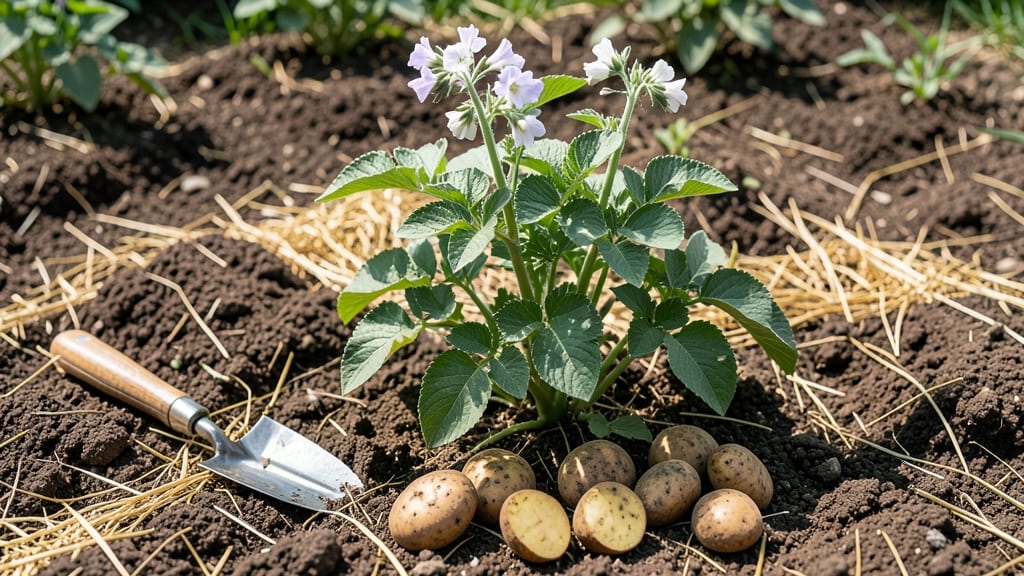
Planting potatoes in Zone 7 at the wrong time can mean the difference between a bountiful harvest and a sad, shriveled mess in your garden.
The exact window—2 to 4 weeks before your last frost—is your golden ticket to avoiding frost damage while giving tubers enough time to mature before summer heat sets in.
I’ve learned the hard way that rushing into the garden too early (when soil is still chilly) or waiting too long (when days stretch too short) can ruin even the hardiest 🥔 varieties.
Zone 7’s March 15 average last frost date is your starting point, but microclimates—like coastal areas or mountain foothills—can shift that window by 1-2 weeks.
Here’s the game-changer: soil temperature matters more than calendar dates. Aim for 45°F or warmer at least 6 inches deep—that’s when those spuds start growing roots like crazy. I’ll show you how to time it perfectly, plus how to tweak your schedule for faster harvests or late-season planting.
Whether you’re a first-time gardener or a seasoned pro, these tips will help you avoid common mistakes (like planting too deep or ignoring soil prep) and set yourself up for a harvest that’ll make your neighbors jealous. Let’s get those potatoes in the ground the right way!
Zone 7 potato planting calendar: exact weeks before last frost
Planting potatoes in Zone 7 requires precision—get the timing wrong, and you’ll either lose your crop to frost or miss the optimal harvest window.
The last frost date for most of Zone 7 falls around March 15, but microclimates (like Piedmont vs. Appalachian regions) can shift this by 1-2 weeks. For reliable results, aim to plant 4-6 weeks before your area’s last frost date.
In Zone 7, that means early March to mid-April for most varieties. However, cold-hardy varieties like 'Yukon Gold' or 'Red Norland' can tolerate slightly earlier planting (as early as late February if soil temperatures stay above 40°F).
Warmer microclimates (e.g., coastal areas) may extend this window into early May.
Soil temperature is just as critical as air temperature. Potatoes won’t sprout until the soil reaches 45–50°F. Use a soil thermometer to confirm—planting too early in cold soil can stunt growth or invite rot.
If your soil is still chilly, opt for row covers or a cold frame to accelerate warming.
Here’s the Zone 7 potato planting timeline broken down by variety type to maximize your harvest:
| Variety Type | Planting Window (Zone 7) | Days to Harvest | Key Notes |
|---|---|---|---|
| Early Varieties | Late February – Early March | 60–80 days | Fastest harvest; ideal for spring planting. |
| Mid-Season | Mid-March – Early April | 90–110 days | Balanced for Zone 7’s frost window. |
| Late Varieties | Early April – Mid-April | 110–120 days | Largest tubers; risk late blight if planted too late. |
| Fall Planting | Late July – Early August | 90–100 days (harvest before frost) | Use early varieties only; harvest by November 15. |
For fall harvests, plant late July to early August and choose early-maturing varieties like 'Red Pontiac' or 'Kennebec'. These must be harvested before the first frost (typically by November 15 in Zone 7) to avoid tuber damage.
Fall-planted potatoes also benefit from heavy mulching to insulate tubers as temperatures drop.
Pro tip: Chit your seed potatoes 4–6 weeks before planting. Place them in a bright, cool (50–60°F) spot with light exposure to encourage sprout growth. This gives you a 2–3 week head start on the growing season, especially critical if your spring is unpredictable.
Always test your soil pH before planting—potatoes thrive in acidic soil (pH 5.0–6.5). If your soil is too alkaline, amend it with sulfur or peat moss 4–6 weeks before planting. Well-draining soil is non-negotiable; potatoes rot in soggy conditions.
Finally, space your rows 3 feet apart to allow for hill building as plants grow. This prevents disease spread and ensures tubers develop properly. In Zone 7’s humid summers, prioritize air circulation to avoid common issues like late blight.
With these exact planting windows and pro tips, you’ll avoid the Zone 7 potato pitfalls—frost damage, stunted growth, and blight—while maximizing your harvest. Happy planting! 🥔
How to adjust planting time for faster or later harvests in Zone 7
Zone 7 gardeners can stretch the potato season with smart timing—plant early varieties for spring harvests or late varieties for fall crops. I’ve used row covers and cold-hardy varieties to extend my harvest window by 6–8 weeks without risking blight.
For a spring harvest, plant early-maturing varieties like 'Yukon Gold' or 'Red Norland' 2–4 weeks before your last frost date. These varieties tolerate cooler soils and produce tubers faster, giving you edible potatoes in 60–75 days.
To delay planting for a summer harvest, choose mid-season varieties like 'Kennebec' and plant them 4–6 weeks after your last frost. This strategy avoids early blight, which thrives in warm, wet springs common in Zone 7.
- 🌱 Early Planting: Use row covers to plant 3–4 weeks before last frost for a spring harvest.
- 🌡️ Soil Test: Wait until soil reaches 45°F—use a soil thermometer to check.
- 🌿 Succession Planting: Space plantings 2 weeks apart for a continuous harvest.
- ☀️ Sunlight: Ensure 6+ hours of sun daily—potatoes need full sun to thrive.
- 🍂 Fall Harvest: Plant late varieties like 'Russet Burbank' in late July for a fall harvest before frost.
If you’re in a cooler microclimate (like the Appalachians), plant cold-hardy varieties like 'Adirondack Blue' as early as February under protective covers. For warmer inland areas (like Piedmont), delay until mid-April to avoid soil-borne diseases.
Pro tip: Use black plastic mulch to warm soil faster and plant 2 weeks earlier in spring. This trick has helped me shave 10 days off my growing season in past years.
Always monitor your local frost dates—Zone 7’s last frost can vary by 2 weeks between coastal and inland areas. Check your Almanac’s frost calendar for precision planting.