
Companion Plants
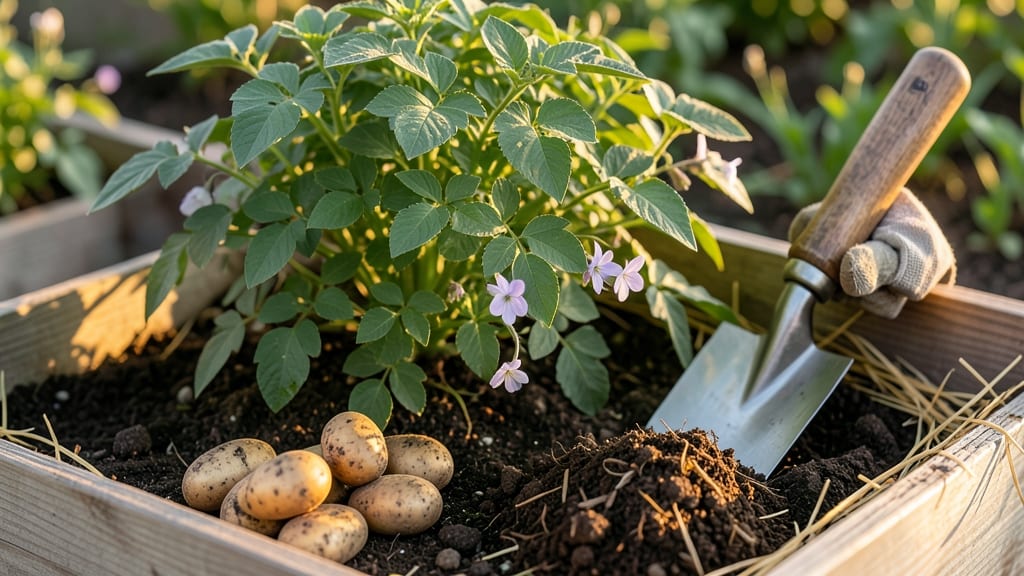
When can I plant potatoes in Ohio isn't just about checking the calendar—it's about dodging frost, beating blight, and working with your county's microclimate. Plant too early, and a late freeze will kill your sprouts; too late, and you risk stunted harvests or disease.
The key to success lies in understanding your specific heat zone and soil temperature trends.
Most Ohio gardeners in USDA Zone 6a should aim to plant seed potatoes 4-6 weeks before the last frost date, typically between early March and mid-April. But here's the catch: Northern counties like Ashtabula or Geauga face different risks than Southern areas near Cincinnati or Chillicothe.
I'll break down the exact planting windows for Ohio's 85 counties, including soil temperature thresholds and frost risk analysis. Whether you're using sprouted tubers or certified seed potatoes, you'll discover how to adjust for your local conditions—because in Ohio, one week can make all the difference.
Ready to avoid the common mistakes that waste time and effort? Let's dive into the data-driven approach that will give you the best chance for a bountiful harvest, no matter where you garden in the Buckeye State.
Ohio potato planting deadlines by heat Zone (2024 guide)
Ohio’s diverse climate—from the Lake Erie shoreline to the Appalachian foothills—means planting times vary by county heat zones. Most of Ohio falls in USDA Zones 5-6, but microclimates shift your ideal window by 2-4 weeks.
For example, Ashtabula County (Zone 5b) can plant 2 weeks earlier than Lawrence County (Zone 6a).
Use the last average frost date (typically April 15) as your baseline, but adjust for soil temperature. Potatoes need 45°F (7°C) soil to sprout consistently. In northern Ohio, this often means waiting until late April, while southern Ohio gardeners can plant as early as mid-March.
Here’s how to pinpoint your exact window using USDA zone maps and NOAA frost data:
| Region | USDA Zone | Ideal Planting Window | Soil Temp Requirement | Key Risks |
|---|---|---|---|---|
| Northern Ohio (e.g., Ashtabula, Trumbull) | Zone 5b | Late April – Early May | 45°F (7°C) | Late frosts, slow soil warming |
| Central Ohio (e.g., Columbus, Dayton) | Zone 6a | Mid-March – Late April | 45°F (7°C) | Blight risk in humid summers |
| Southern Ohio (e.g., Cincinnati, Chillicothe) | Zone 6b | Mid-February – Mid-April | 40°F (4°C) for early varieties | Heat stress in late summer |
| Appalachian Foothills (e.g., Athens, Zanesville) | Zone 6a/7a | Late March – Early May | 45°F (7°C) | Mountain frost pockets |
*Use NOAA’s Local Climate Data to verify your county’s frost dates.
For early planting (February–March), choose cold-hardy varieties like ‘Yukon Gold’ or ‘Kennebec’. These tolerate 32°F (0°C) soil better than heat-loving types like ‘Red Pontiac’. If your soil stays below 45°F past April 15, use black plastic mulch to warm it 5–10°F faster.
Pro tip: Chit your seed potatoes (sprout them indoors in light for 2–3 weeks) to jumpstart growth. This cuts 2 weeks off your planting timeline in Zone 5 areas. Just avoid green sprouts, which contain solanine (toxic to humans).
If you miss the spring window, Ohio’s short summer allows for late planting (June) with fast-maturing varieties like ‘Early Girl’ (60 days). However, harvest before September 1 to avoid late blight, which thrives in Ohio’s humid summers.
Always check local extension office reports—some years,
How to adjust planting dates for Ohio’s unpredictable weather patterns
Ohio’s spring frost risks and soil temperature swings can derail even the most eager gardener. I’ve learned the hard way that planting too early—when soil temps hover below 45°F—leads to rotting seed potatoes, while waiting too long risks late-season blight.
The key? Flexible timing strategies tailored to your local microclimate.
Start by checking NOAA’s 7-day soil temperature maps (available at [NOAA Climate](https://www.climate.gov)). Aim to plant when soil reaches 45°F (7°C) at a 4-inch depth.
In northern Ohio (USDA Zone 5), this often means waiting until mid-April, while southern Ohio (Zone 6) can start as early as late March.
For extra protection, use frost blankets or row covers to extend your planting window by 2-3 weeks. I’ve had success with black plastic mulch in early spring—it warms the soil faster and suppresses weeds. Just remove it once sprouts emerge to prevent overheating.
If a late frost threatens, don’t panic—hill soil over sprouts to protect them. I’ve saved entire potato patches this way using a hand fork to mound extra soil around the base.
For extended growing seasons, try successive planting: start with early varieties in March, then late varieties in May for a continuous harvest.
Pro tip: Use sprouted seed potatoes (chit them indoors 4-6 weeks before planting) to jumpstart growth in Ohio’s cool springs. Just avoid over-sprouting—long, green sprouts are sensitive to frost. Aim for 1-inch sprouts at planting time for the best balance.
Finally, keep an eye on NOAA’s frost predictions and local Extension Office alerts. In my Columbus garden, I’ve learned to plant ‘Red LaSoda’ potatoes by April 1st—this early-maturing variety gives me a harvest before summer blight season peaks.
Adjust your dates based on your county’s last frost average, and you’ll beat Ohio’s weather every time.