
Companion Plants
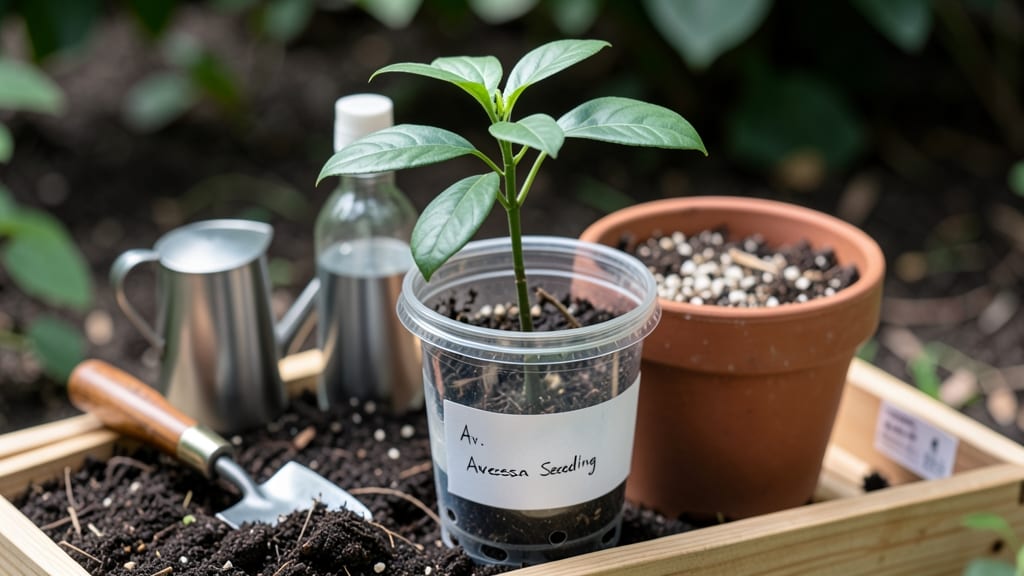
To plant your avocado seed in soil at the right time means the difference between a thriving 🥑 Avocado Tree and a sad, mushy failure.
Most gardeners rush this step, but patience is key—waiting until you see a 1-2 inch sprout and sturdy roots signals it’s ready for soil, not water.
Timing depends on your climate, but in Zone 6a, aim for spring after the last frost (around mid-April). Indoor starters can transition anytime once roots fill the glass, but outdoor planting should wait for soil temperatures above 60°F to prevent shock.
Here’s the game-changer: overwatering is the #1 killer of young seedlings. We’ll cover exactly how to test soil readiness, choose the perfect pot, and avoid common pitfalls that stunt growth—so you don’t waste months of effort.
Whether you’re a first-time grower or a seasoned plant parent, these steps will help you nurture your seedling into a healthy young tree without the guesswork. Let’s get started.
Optimal germination timeline: when to move avocado seeds from water to soil
Planting your avocado seed in soil at the right time is the difference between a thriving seedling and a sad, rotting mess. Most seeds take 4 to 8 weeks to develop roots and a sprout while soaking in water—this is your ideal transplant window.
Rushing too soon risks root damage, while waiting too long can lead to overcrowded roots or mold. Let’s break down the exact stages to watch for.
The first sign your seed is ready for soil is when white roots emerge from the bottom and grow 1-2 inches long. At this stage, the seed will also start developing a small green sprout on top.
If you see these two signs together, your seed is primed for transplantation. Ignoring this step often leads to seedlings that struggle or fail entirely.
Here’s the critical timeline to follow: Week 1-2: Roots begin forming; Week 3-4: Sprout emerges; Week 5-8: Roots reach 1-2 inches and are ready for soil. Skipping the root growth phase means your seedling won’t have enough stability to support new growth in soil.
🌱 Pro Tip: If your seed hasn’t sprouted after 6-8 weeks of soaking, it may not germinate. Don’t force it—start fresh with a new seed. Patience here saves you from frustration later.
| Stage | Signs of Readiness | Action |
|---|---|---|
| Week 1-2 | White roots appear (1/4 inch) | Keep soaking, monitor root growth |
| Week 3-4 | Green sprout emerges (1/2 inch tall) | Prepare soil mix and pot |
| Week 5-8 | Roots 1-2 inches + upright sprout | Transplant into soil (indoors or outdoors) |
| After 8 weeks | No sprout or rotting seed | Discard seed, try a new one |
Once your seed hits the 1-2 inch root and sprout stage, it’s time to transition to soil. But timing isn’t just about weeks—it’s also about seasonal conditions.
If you’re planting outdoors, wait until after the last frost date in your zone (typically mid-April to early May in most of the U.S.). For indoor planting, you can transplant anytime, but ensure your home stays warm (70-80°F) and humid.
💧 Warning: Overwatering after transplant is a common killer. Avocado seedlings hate soggy soil—always use a well-draining mix (like cactus soil + perlite) and let the top inch dry out between waterings. Yellowing leaves or mushy stems? You’ve overdone it.
For those in cooler climates (Zones 6-8), hold off on outdoor planting until soil temps reach 60°F or warmer. Use a soil thermometer to check—cold soil shocks roots and stunts growth.
If you’re unsure, err on the side of waiting. A healthy seedling can handle a few extra weeks in water, but a shocked transplant rarely recovers.
Finally, don’t forget to harden off your seedling if moving it outdoors. Gradually expose it to direct sunlight and outdoor temps over 7-10 days to avoid transplant shock. Start with 2 hours of sun and slowly increase to full sun exposure.
Optimal germination timeline: when to move avocado seeds from water to soil
Timing is everything when transitioning your avocado seed from water to soil. Most seeds take 4-8 weeks to develop the 1-2 inch sprout and 2-3 inch roots needed for successful transplantation.
Rushing this step risks root rot or stunted growth, while waiting too long can lead to overcrowded roots in the glass.
Start by monitoring your seed’s progress daily. Look for a white sprout breaking through the seed’s top—this is your first sign it’s ready. Once roots reach 2-3 inches and fill the glass, it’s time to prepare for soil.
In Zone 6a, aim for late spring (May) when soil temperatures exceed 60°F.
Here’s the critical timeline to follow:
| Stage | Key Signs | Timeframe | Action |
|---|---|---|---|
| Germination | White sprout emerges | 1-2 weeks | Keep in water, change every 2-3 days |
| Root Growth | Roots fill glass (2-3 inches) | 4-6 weeks | Prepare soil mix and pot |
| Transplant Ready | Sprout 1-2 inches tall, roots dense | 6-8 weeks | Plant in soil, avoid watering for 3 days |
If your seed shows yellowing leaves or mushy roots, it’s a sign of overwatering or rot. In this case, trim the damaged roots and replant in fresh, well-draining soil. Avoid transplanting if roots are still under 2 inches—they won’t support the seedling’s growth in soil.
For indoor starters, you can plant anytime after roots fill the glass, but outdoor planting should wait until soil temperatures are consistently above 60°F. Use a soil thermometer to check—this prevents temperature shock and ensures healthy root establishment.
Pro tip: Label your seedling with the transplant date to track growth progress. Most avocado seedlings show true leaves (not seedling leaves) within 4-6 weeks of soil planting—a great sign your timing was perfect!