
Lawn
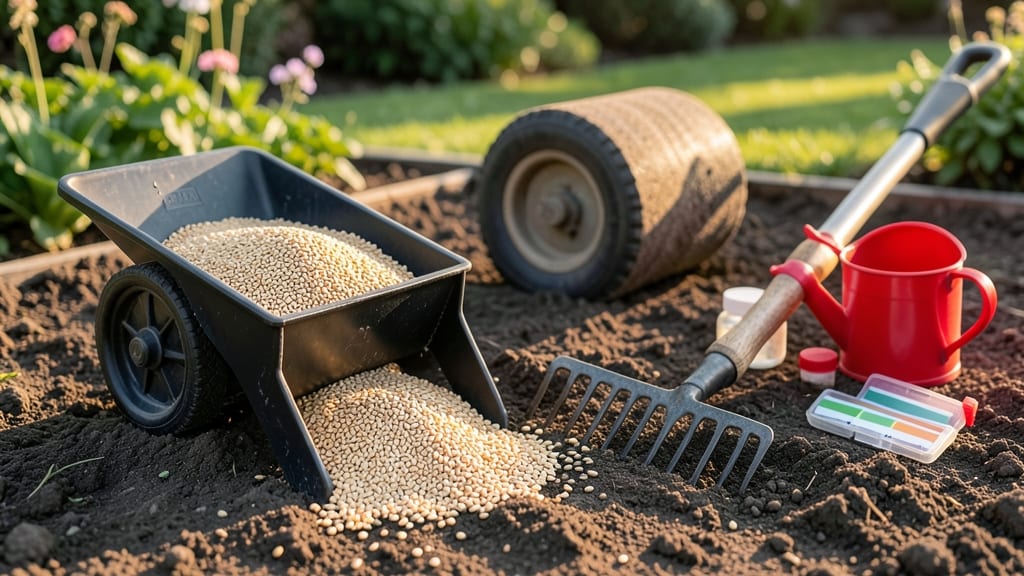
Planting grass seed in Ohio at the wrong time can mean wasted money and months of waiting for a lush lawn—so timing is everything. With USDA Zone 6a weather swings between 30°F winters and 90°F summers, knowing when to plant makes all the difference.
Most Ohio gardeners get it right by planting 🌱 grass seed in early spring (March–April) or fall (September–October), when soil temperatures hover between 55°F–75°F. But here's the catch: rushing too early can leave seedlings vulnerable to late frosts, while waiting too long risks summer heat stress.
I’ve seen firsthand how a well-timed planting transforms a patchy lawn into a vibrant carpet within weeks. Let me break down Ohio’s frost-free windows, soil prep secrets, and the best grass types for your region—so you can finally stop guessing and start growing.
Whether you’re seeding a new yard or patching bare spots, these insights will help you avoid common mistakes and get your lawn off to the best start. Ready to dig in?
Ohio’s frost-free timeline for planting grass seed by month
Timing is everything when planting grass seed in Ohio, where USDA zones 5b-6a create a delicate balance between early frosts and summer heat. The ideal window spans from early spring (March-April) to early fall (September-October), but Ohio’s five distinct regions have unique frost-free dates that dictate when to plant.
For most of Ohio, the last spring frost typically arrives between April 15-30, while the first fall frost hits around October 15.
Planting 4-6 weeks before the last frost or after the first frost in fall gives grass seeds the best chance to establish strong roots before extreme temperatures.
Northern Ohio (zones 5b) has the latest last frosts, often May 10, while southern Ohio (zone 6a) can plant as early as March 15. Always check your local average last frost date—this is your planting deadline.
| Region | Last Frost Date | Ideal Planting Window | Soil Temp Threshold | Key Consideration |
|---|---|---|---|---|
| Northwest (Toledo) | April 25 | March 20-April 15 September 15-October 10 |
50°F+ (10°C+) | Cooler summers; drought risk |
| Northeast (Cleveland) | April 20 | March 15-April 10 September 10-October 5 |
50°F+ (10°C+) | Humid summers; fungal risks |
| Central (Columbus) | April 15 | March 1-April 5 September 5-October 1 |
55°F+ (13°C+) | Moderate climate; versatile |
| Southeast (Athens) | April 10 | February 28-April 1 August 25-September 20 |
60°F+ (16°C+) | Longer growing season |
| Southwest (Cincinnati) | April 12 | March 5-April 3 September 1-September 25 |
55°F+ (13°C+) | Clay-heavy soils; drainage issues |
Spring planting in Ohio offers the longest growing season before summer heat sets in. Aim to plant cool-season grasses like Kentucky Bluegrass and Tall Fescue between March and early May, when soil temperatures consistently stay above 50°F (10°C). This gives seeds time to germinate before summer dormancy begins.
Fall planting (September-October) is ideal for cool-season grasses because cooler temperatures reduce weed competition and stress on young seedlings. The 6-8 week window before the first frost allows roots to establish without competing with summer heat. Avoid planting after October 15—new growth won’t survive winter.
Ohio’s clay-heavy soils can delay warming in spring, so always check soil temperature with a soil thermometer before planting. Wait until the top 2 inches of soil reach at least 50°F (10°C) for cool-season grasses or 65°F (18°C) for warm-season varieties like Bermuda Grass.
If you miss the spring window, don’t panic—Ohio’s fall planting season is just as effective. The key difference is watering: fall-planted grass needs consistent moisture as temperatures drop, but less frequent deep watering compared to summer.
For warm-season grasses like Zoysia or Buffalo Grass, plant in late spring (May-June) when soil temperatures exceed 65°F (18°C). These grasses thrive in summer heat but struggle with Ohio’s cold winters, so avoid planting them in fall.
Use Ohio’s frost-free timeline as your guide, but always monitor local weather forecasts—a late frost can devastate young seedlings. When in doubt, plant on the later side of the recommended window for better survival rates.
How to prepare your Ohio lawn for grass seed success
Preparing your Ohio lawn properly is the secret to strong germination and long-term growth. I’ve learned that skipping this step often leads to patchy lawns or wasted seed. Start by testing your soil pH—Ohio’s clay-heavy soils often need adjustment to the ideal 6.0–7.0 range for grass seed.
If your soil tests acidic, add lime 2–3 weeks before planting. For alkaline soil, incorporate sulfur or peat moss. This small step can make the difference between thin grass and a lush carpet.
Next, clear the area of weeds and debris. Use a broadleaf herbicide 2 weeks before planting to kill existing weeds without harming new seedlings. Rake the soil to a ¼-inch depth—this creates the perfect seedbed for even distribution.
Ohio’s humid summers mean fungal risks are high, so I always add a starter fertilizer with phosphorus to encourage root development. Spread it evenly before seeding, then lightly rake it into the topsoil.
Now for the watering schedule: Keep the soil consistently moist for the first 2–3 weeks. Water lightly twice daily (morning and evening) to prevent crusting. Once seedlings reach 2–3 inches tall, switch to deep, infrequent watering.
Finally, consider mulching with straw to retain moisture and protect seeds from bird damage. Apply a thin layer (⅛-inch) after sowing—this mimics Ohio’s natural leaf litter and keeps seeds cozy.
Pro tip: If your lawn has shady spots, mix in compost to improve drainage and fertility. Ohio’s humidity can make clay soil compact, so aerate if the ground feels hard.
| Prep Step | Action | Timing |
|---|---|---|
| Soil Test | Adjust pH to 6.0–7.0 | 2–3 weeks before planting |
| Weed Control | Apply herbicide | 2 weeks before planting |
| Soil Raking | ¼-inch depth | Day of planting |
| Fertilizer | Phosphorus-rich starter | Before seeding |
| Watering | Light twice daily | First 2–3 weeks |
Remember, Ohio’s climate shifts can throw off even the best plans. If you’re seeding in fall, prioritize weed control and soil moisture—cool temps slow weed growth but also reduce seedling vigor.
With these steps, your grass seed will germinate faster and establish roots deeper, giving you a lawn that’s ready for foot traffic in just 4–6 weeks—no more bare spots!