
Companion Plants
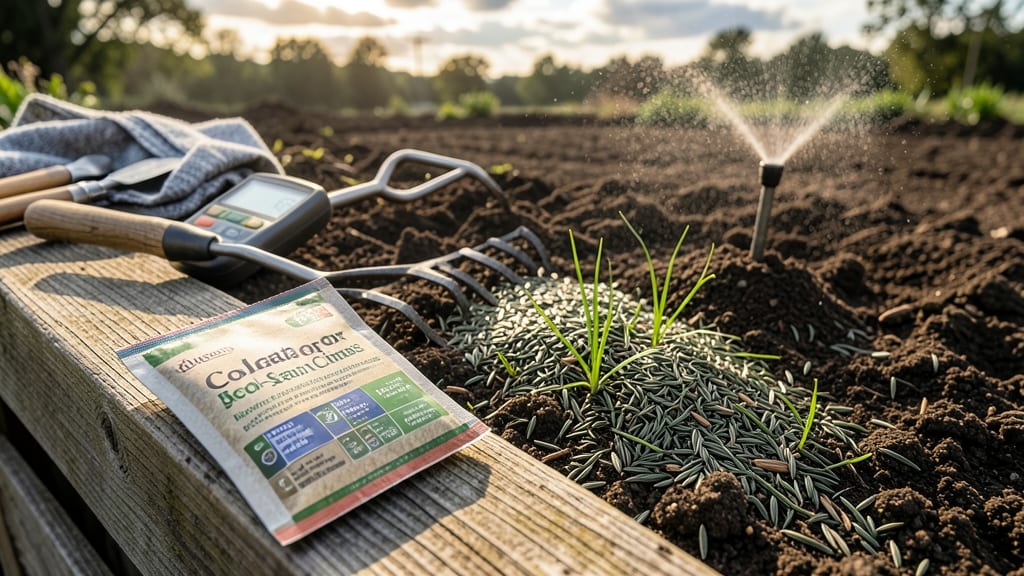
Planting grass seed in Colorado at the wrong time can turn your dream green lawn into a patchy, weed-infested disappointment—especially with the state’s dramatic elevation shifts and unpredictable frost dates. Whether you're in the Front Range or high-altitude Western Slope, timing matters more than most gardeners realize.
The ideal window for Colorado grass seed is early fall (August–September) or spring (March–May), when soil temperatures hover between 50–65°F. But here’s the catch: your exact timing depends on elevation.
A Zone 5 yard in the Eastern Plains needs a different approach than a Zone 7 lawn in Denver, and high-country pastures face entirely different challenges.
I’ll break down the frost-free planting windows by elevation zone, plus the critical factors that separate successful lawns from failed projects. From soil prep to seed selection, we’ll cover everything you need to know to get your grass off to the right start—no guesswork involved.
Ready to stop wasting seeds and start growing a thick, lush lawn that actually thrives in Colorado’s climate? Let’s dive into the perfect planting schedule for your specific zone.
Colorado’s frost-free planting windows by elevation Zone (2024 guide)
Colorado’s dramatic elevation changes—from the Eastern Plains at 3,000 ft to the Rocky Mountains above 10,000 ft—create wildly different planting windows for grass seed. Planting too early risks frost damage, while waiting too late means summer drought stress.
I’ll break down the exact frost-free windows for Colorado’s three key elevation zones, plus the soil temperature thresholds your seeds need to thrive.
Most Colorado gardeners focus on spring (March–May) and fall (August–September) planting, but your elevation dictates the precise timing. For example, Denver (5,280 ft) has a 100-day frost-free window, while Aspen (7,800 ft) only gets 60–80 days.
I’ll show you how to adjust your schedule based on where you live—and how to use local frost data to fine-tune your plan.
🌱
| Elevation Zone | Last Frost Date | First Frost Date | Ideal Planting Window | Soil Temp Threshold |
|---|---|---|---|---|
| Low (3,000–5,000 ft) | April 1–15 | October 15–30 | March 15–May 15 (Spring) / Aug 1–Sep 15 (Fall) | 50–65°F |
| Mid (5,000–7,000 ft) | April 15–May 1 | September 15–October 1 | April 1–May 10 (Spring) / Jul 15–Aug 31 (Fall) | 45–60°F |
| High (7,000+ ft) | May 1–15 | September 1–15 | May 1–June 15 (Spring) / Jul 1–Aug 15 (Fall) | 40–55°F |
*Frost dates vary yearly; check Almanac’s Colorado Frost Calculator for real-time updates.
For low-elevation areas like Colorado Springs (6,000 ft), aim to plant Kentucky Bluegrass in early April when soil temps hit 50°F. In high-country towns like Telluride (8,750 ft), wait until late May to avoid late frosts, and choose hardy fescue varieties that tolerate cooler soils.
Pro tip: Use a soil thermometer—your seeds won’t germinate if the ground is too cold, even if air temps seem warm.
Fall planting is trickier in Colorado because of early snowfall risks. In Zone 5 (Eastern Plains), seed by September 1 to give roots time to establish before winter.
In Zone 7 (Front Range), you can stretch it to October 1, but monitor forecasts for unseasonal cold snaps. I’ve seen lawns fail when planted too late—cover seeds with straw if frost threatens after planting.
Microclimates add another layer of complexity. Urban areas like Denver often have warmer microclimates due to pavement heat, while rural high-country pastures stay colder. If you’re unsure, plant a test strip 2 weeks before your target date to gauge germination success.
This simple step can save you from replanting an entire lawn.
🌿
Don’t rely solely on calendar dates—soil temperature is your true guide. Use a moisture meter with a temperature gauge (like the Thermopro TP11) to confirm readiness. For example, tall fescue seeds need 55–65°F soil, while ryegrass can germinate at 40°F.
If your soil is below 50°F, wait—even if it’s May. Patience here means faster, stronger growth later.
Colorado’s variable rainfall patterns also affect timing.
5 Critical factors that determine your grass seed planting success
Colorado’s variable climate means frost dates alone won’t guarantee success. Five key factors—soil moisture, rainfall patterns, microclimates, seed type, and urban vs. rural location—can make or break your lawn. Let’s break them down so you plant at the perfect time for your yard.
First, soil temperature is non-negotiable. Grass seeds need 50–65°F soil to germinate. Use a soil thermometer to check—especially in high-elevation zones where cold snaps linger. If your soil is below 50°F, wait. Patience here saves money and frustration.
Rainfall timing is another wildcard. Colorado’s monsoon season (July–September) can drown new seedlings, while spring droughts may stress them. Aim to plant when consistent moisture is forecasted—either via natural rain or your irrigation system. Track local NOAA forecasts for your specific county.
Microclimates create hidden planting windows. A south-facing slope warms faster than a north-facing yard, while urban heat islands can delay frost. Observe your yard’s sun exposure patterns and adjust timing by 1–2 weeks earlier or later based on these microclimates.
Next, seed type matters. Colorado’s cool-season grasses (like Kentucky Bluegrass or Fescue) thrive in spring/fall, while warm-season grasses (like Bermuda) need summer heat. Plant the wrong type at the wrong time, and you’ll end up with brown patches or weedy takeovers.
Finally, urban vs. rural locations demand different strategies. City yards often have compacted soil and limited water access, while rural areas may face wildlife interference or soil erosion risks. Test your soil’s pH and drainage before planting—amend with compost or sand as needed to create ideal conditions.
By accounting for these five factors, you’ll maximize germination rates, minimize weeds, and establish a lush lawn that survives Colorado’s extremes. Start with soil prep, then align your planting window with these local conditions for the best results. 🌱