
Companion Plants
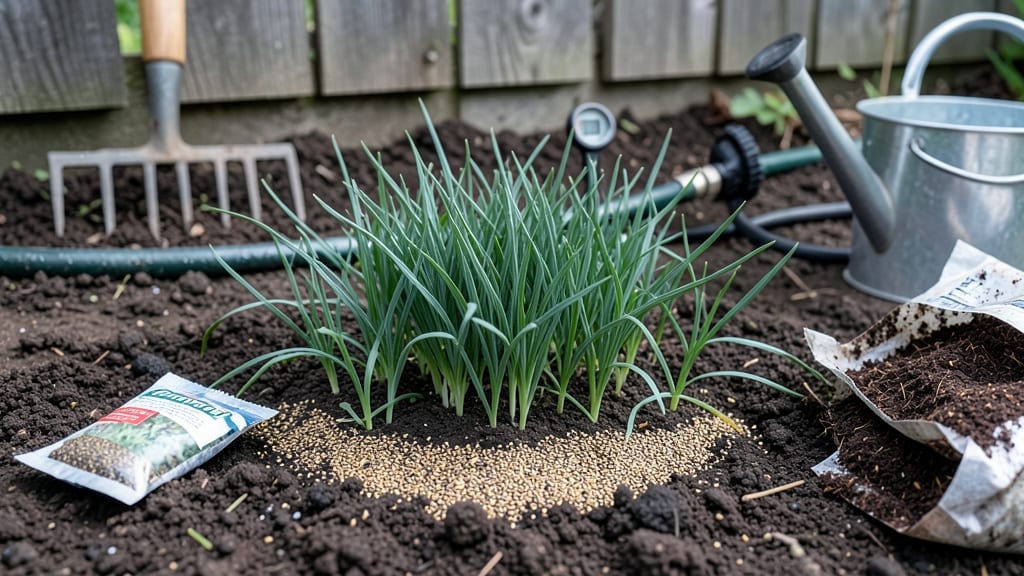
Planting your 🌱 grass (lawn) at the wrong time in spring can leave you staring at patchy, uneven growth—or worse, wasted seeds. The key to a lush, thriving lawn starts with knowing exactly when to plant based on your local frost dates and grass type, not just the calendar.
Cool-season grasses like Kentucky bluegrass and fescue need to go in the ground 4-6 weeks after your last frost date, while warm-season varieties like Bermuda or Zoysia wait until soil temperatures hit 55-65°F.
Getting this timing wrong means frost damage or heat stress, and no one wants to replant mid-season.
I’ll break down the perfect planting windows for your region, how to check soil readiness, and the 3 biggest mistakes that ruin spring lawns before they even start. Let’s get your grass off to the right start this season.
Whether you’re in a chilly USDA Zone 6a area or a warmer climate, these tips will help you avoid the guesswork. Ready to transform bare soil into a vibrant lawn? Let’s dive in.
Spring grass planting timeline: frost dates by grass type
Planting grass at the wrong time in spring can mean frost-killed seedlings or stunted growth—so knowing your grass type and local frost dates is everything. Cool-season grasses like Kentucky bluegrass and fescue thrive when planted in early spring, while warm-season grasses like Bermuda and Zoysia need summer heat.
Let’s break down the ideal planting windows for each type, plus regional US examples to help you time it perfectly.
Your last frost date is the starting point, but soil temperature matters more. Most grasses need soil at least 55°F for cool-season types and 65°F+ for warm-season varieties. Waiting until 4-6 weeks after frost ensures your seeds won’t bake in sudden heat or freeze overnight.
For example, in USDA Zone 5, that’s usually mid-April to early May, while Zone 8 gardeners can plant as early as February.
Here’s how your grass type and climate zone determine your planting window:
For cool-season grasses, aim to plant when your local daytime highs are consistently above 60°F but nights stay above 40°F.
In Zone 5, that’s often late April, while Zone 7 gardeners can start as early as March. Warm-season grasses, however, need to wait until soil warms to 65°F+, which in Zone 9 might be late March, but in Zone 4, it could be June.
Pro tip: Use a soil thermometer to check depth (1 inch down). If it’s cooler than your grass needs, wait another week. Seed packets often list ideal soil temps—don’t ignore them!
For example, Bermuda grass seeds may say “plant when soil is 70°F+,” so hold off until then, even if your neighbor’s Kentucky bluegrass is already sprouting.
Regional examples can save you guesswork. In New England (Zone 5), turf-type tall fescue is the safest bet for spring planting, with a window of April 15–May 15.
Meanwhile, in Texas (Zone 8), Zoysia grass should go in late April–early May to avoid summer drought stress. Always cross-check with your local cooperative extension office for hyper-local advice.
One common mistake is planting cool-season grass too late—by June, the heat stresses seedlings before they establish roots. Conversely, warm-season grass planted too early (like Bermuda in April) risks frost damage.
To avoid this, note your average first frost date (find it via the USDA Plant Hardiness Map) and plant 4–6 weeks before that date for cool-season types.
If you’re unsure about your grass type’s needs, start with tall fescue—it’s drought-tolerant, thrives in partial shade, and has a
How to check your local frost dates before planting
Before you rush to the garden center for grass seeds, knowing your local last frost date is the first step to success. Planting too early can kill your seedlings with a surprise frost, while waiting too long might leave your lawn struggling in summer heat.
I’ll walk you through the exact steps to pinpoint your planting window using free, reliable resources.
Start by checking your USDA hardiness zone—this tells you your average first and last frost dates. For example, in Zone 6a, like much of the Midwest, the last frost typically falls around April 15.
But don’t rely solely on averages—local weather patterns can shift these dates by weeks. Use tools like the National Weather Service or Old Farmer’s Almanac for hyper-local forecasts.
Next, dig a soil thermometer into the ground (about 4 inches deep) and monitor temperatures. For cool-season grasses, aim for soil temps between 55-65°F—this usually aligns with 4-6 weeks after frost.
Warm-season grasses like Bermuda need even warmer soil, often 65-75°F, which might push planting to late spring or early summer.
🌱 Pro Tip: Seed packets often include planting windows—compare these with your local data. For instance, a packet might say "plant in early spring," but if your area has late frosts, you’ll need to adjust.
Your 4-Step Frost Date Checklist
- 📍 Find your USDA zone (use the USDA Plant Hardiness Zone Map)
- ❄️ Look up your average last frost date (adjust for early/late years)
- 🌡️ Test soil temperature with a thermometer (4" deep)
- 📅 Plant 4-6 weeks after frost for cool-season grass (or wait for warm soil for warm-season types)
Don’t forget to account for microclimates—valleys or low-lying areas may frost later than hills. If you’re unsure, err on the side of waiting. A healthy lawn is worth the patience!
Once you’ve confirmed your window, you’re ready to prep the soil and choose the right grass seed mix for your climate.
🌿 Remember: Even if your neighbor plants in March, their frost dates might differ by weeks. Always verify with local data to avoid costly mistakes.