
How To
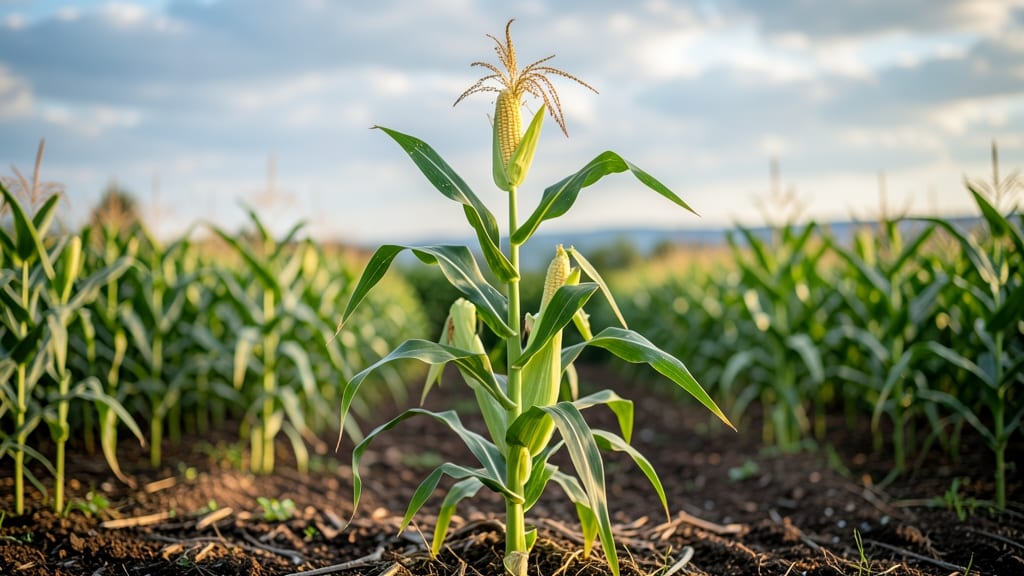
If you’ve ever planted corn and wondered, "How tall will my 🌽 plants really grow?"—the answer might surprise you. Some varieties barely clear your waist, while others stretch taller than a basketball hoop, reaching heights of 10 feet or more in ideal conditions.
But here’s the thing: corn height isn’t just about variety—it’s also about sunlight, soil, and even how you space your plants. A dwarf variety like Golden Bantam might stay compact at 3-5 feet, while standard sweet corn can shoot up to 7-10 feet if given the right care.
Let’s break down what determines your corn’s growth and how to support those towering stalks.
Many gardeners assume taller corn always means better yields, but that’s not the case. The key is matching your variety to your space and climate.
Whether you’re growing in USDA Zone 6a or a container, knowing how to optimize height can mean the difference between a handful of ears and a bumper harvest.
Ready to grow corn that reaches its full potential? I’ll share practical tips—from spacing to trellising—to help your plants stand tall and strong, no matter which variety you choose.

Corn plant height ranges by common variety types
Corn height varies dramatically depending on the variety, with some reaching towering heights of 10 feet while others stay compact at just 3 feet tall.
Understanding these differences helps you choose the right plants for your garden space and growing conditions. Let’s explore the height ranges of the most common types.
For sweet corn, which is popular for home gardens, heights typically range from 5 to 10 feet.
Varieties like Silver Queen and Country Gentleman are classic tall growers, while dwarf varieties like Golden Bantam stay between 3 and 5 feet, making them ideal for containers or small gardens. These shorter plants also mature faster, often producing ears in just 60-70 days.
Field corn, often grown for animal feed or grain, tends to be even taller, frequently reaching 8 to 12 feet. Varieties like Mangels or Mo17 are known for their impressive height and robust stalks. If you’re growing field corn, plan for ample spacing—these plants can easily outgrow small gardens.
Ornamental corn, such as Glass Gem or Black Aztec, adds color and texture to gardens while typically staying between 5 and 8 feet tall. These varieties are prized for their vibrant kernels and unique hues, but they may produce fewer edible ears compared to sweet corn.
Here’s a quick reference to help you visualize the differences:
Choosing the right variety isn’t just about height—it’s also about how much space you have and what you plan to do with your harvest. For example, if you’re growing corn in containers, dwarf varieties are your best bet.
But if you have a large backyard, taller varieties can provide more ears per plant and even shade out weeds naturally.
One common misconception is that taller corn always means better yields. While taller plants can produce more ears, dwarf varieties often mature faster and may yield just as well in smaller spaces. The key is balancing height with your garden’s layout and your goals for the harvest.
Pro tip: If you love the idea of tall corn but have limited space, consider trellising or vertical gardening. Some gardeners use sturdy stakes or cages to support corn stalks, allowing them to grow upward rather than outward.
This is especially useful for varieties like Silver Queen, which can reach 10 feet but benefit from extra support.
Now that you know the height ranges, let’s explore how to optimize your corn’s growth for maximum height and productivity—no matter which variety you choose.
Corn plant height ranges by common variety types
Corn height can vary dramatically depending on the variety, with some reaching tall giants while others stay compact.
Understanding these differences helps you choose the right plants for your space and climate. Sweet corn, the most common edible type, typically grows between 5-10 feet, while ornamental corn varieties can surpass even that, reaching 12 feet or more in ideal conditions.
For gardeners with limited space, dwarf varieties like 'Golden Bantam' are perfect, staying between 3-5 feet tall. These compact plants are ideal for containers or small gardens.
Meanwhile, standard sweet corn varieties like 'Silver Queen' or 'Country Gentleman' can easily reach 7-10 feet, making them better suited for larger plots or rural settings.
Field corn, often used for animal feed or ethanol production, tends to be even taller, frequently exceeding 10 feet and sometimes reaching 12-14 feet in optimal growing conditions. This height makes it less practical for home gardens unless you're specifically growing for seed or livestock.
| Variety Type | Height Range | Best For |
|---|---|---|
| Dwarf Sweet Corn | 3-5 feet | Containers, small gardens, early harvests |
| Standard Sweet Corn | 7-10 feet | Home gardens, fresh eating, canning |
| Field Corn | 10-14 feet | Animal feed, seed production, large farms |
| Ornamental Corn | 8-12+ feet | Landscaping, decorative use, tall garden features |
Even within sweet corn categories, height can vary based on genetics and growing conditions. For example, 'Early Sunglow' stays around 5-7 feet, making it great for smaller spaces, while 'Peaches and Cream' can grow up to 9 feet when given ample sunlight and nutrients.
Always check seed packets for specific height expectations to avoid surprises.
Choosing the right variety isn't just about height—it's also about harvest timing. Taller varieties often take longer to mature, which can be a drawback in shorter growing seasons.
If you're in USDA Zone 6a, opt for mid-season varieties like 'Ambrosia' (6-8 feet) that balance height with a 70-80 day harvest window.
One common misconception is that taller corn always produces more ears. In reality, proper spacing and care matter more than height. A well-spaced 6-foot plant can yield just as many ears as an overcrowded 10-footer.
Always follow spacing guidelines (typically 12-18 inches between plants) to ensure each stalk gets enough nutrients and sunlight to reach its potential height.