
How To
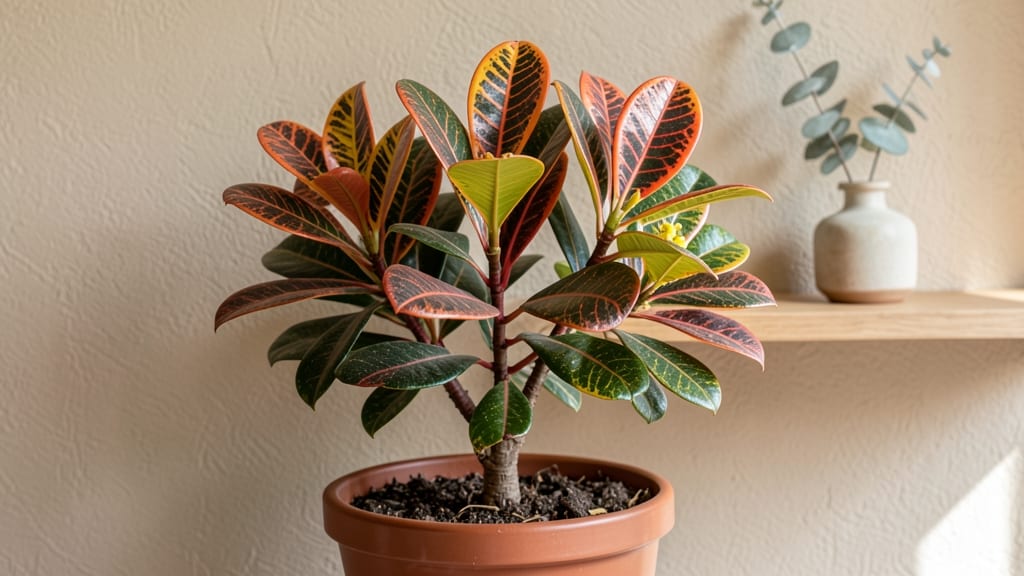
Wondering how tall does a croton plant grow before it becomes a space hog? This vibrant 🌿 beauty can surprise you—some varieties stay compact while others stretch toward the ceiling, depending on where you grow it.
Indoors, most crotons top out between 1 and 6 feet, making them perfect for shelves or tables. But outdoors, they can reach 10 feet or more in ideal climates, turning into bold statement plants. The key? Light, pruning, and pot size all play a role in shaping their height.
If you're working with limited space, dwarf varieties stay under 2 feet, while standard types need room to grow. I’ll show you how to control their size—whether you want a bushy tabletop plant or a towering indoor tree.
Ready to learn the secrets to managing your croton’s growth? Let’s dive into the factors that determine just how tall (or short) your plant will become.

Croton plant height guide: indoor growth limits and factors affecting size
When you bring a croton plant (Codiaeum variegatum) indoors, its height can vary dramatically—from a compact 1-foot bush to a towering 6-foot statement plant.
The key difference? Your care routine. Indoor crotons grow slower than their outdoor counterparts, but with the right conditions, they can reach impressive heights over time.
Most standard croton varieties indoors mature between 3 and 6 feet, while dwarf varieties stay under 2 feet. The growth rate depends on three critical factors: light exposure, pruning habits, and pot size. Let’s break down how each influences your croton’s height potential.
Here’s how your croton’s height compares to common household objects:
| Variety | Indoor Height Range | Growth Rate (Per Year) | Best For |
|---|---|---|---|
| Dwarf Varieties (e.g., 'Punctatum') | 1–2 feet | 6–12 inches | Small spaces, desks, shelves |
| Semi-Dwarf (e.g., 'Petra') | 2–3 feet | 12–18 inches | Tables, floor plants in cozy rooms |
| Standard (e.g., 'Mammy') | 4–6 feet | 18–24 inches | Large rooms, corners, focal points |
🌿 Pro Tip: Use a south-facing window to maximize growth—crotons crave bright indirect light.
Light is the #1 factor controlling your croton’s height. Place your plant within 2–3 feet of a south-facing window to ensure it gets 6+ hours of bright light daily.
Without enough light, your croton will grow leggy and sparse, stretching toward any available sunlight. This "etiolation" can make a plant appear taller but weakens its structure.
Pot size also plays a surprising role. A smaller pot (1–2 inches larger than the root ball) restricts growth, forcing the plant to focus on foliage density rather than height.
Conversely, a large pot (3+ inches bigger) encourages vertical growth. If you want a bushier croton, keep it pot-bound until it’s nearly root-bound, then upgrade gradually.
Pruning is your secret weapon for controlling height. By pinching back the top 2–3 inches of new growth in spring, you encourage lateral branching and a fuller shape. For a taller croton, avoid heavy pruning and let it grow vertically.
Just be prepared to support tall varieties with a stake or trellis as they near 4–5 feet.
Humidity levels indoors can also stunt growth. Crotons thrive in 50–60% humidity, but most homes average 30–40%. Low humidity causes crispy leaf edges and slower growth. Use a pebble tray or humidifier near your plant to keep it happy—and growing.
Fertilizer makes a difference too. During spring and summer, feed your croton every 4–6 weeks with a balanced 10-10-10 fertilizer. This encourages steady growth without sudden height spikes. Reduce feeding in fall and winter to match the plant’s natural dormancy cycle.
If you’re growing a croton in a low-light space, expect slower growth and a shorter mature height (often 2–3 feet). In these cases, supplement natural light with a grow light for 12–14 hours daily to maintain health and encourage upward growth.
Remember, patience is key—crotons grow at a moderate pace indoors. With ideal care, a standard variety can reach 6 feet in 3–4 years, while a dwarf variety may max out at 2 feet in the same time. The choice is yours! 🌱
Outdoor croton growth: maximum height and ideal climates for full-size plants
When grown outdoors, crotons (Codiaeum variegatum) can reach their maximum height potential, often exceeding 6 feet under ideal conditions. In tropical climates like USDA zones 10-12, these plants thrive year-round, developing into tall, bushy shrubs with vibrant foliage that can top 10 feet in mature specimens.
Outdoor crotons grow fastest when planted in well-draining, slightly acidic soil (pH 5.5-6.5) and receive full sun exposure. The key to encouraging vertical growth lies in providing consistent moisture, regular fertilization, and protection from harsh winds that can stunt development.
In warmer climates, outdoor crotons may grow 2-3 feet per year during their active growing season (spring through fall). With proper care, a 3-year-old croton could easily reach 6-8 feet tall, making it a stunning focal point in tropical landscapes.
- 🌡️ Zone 10-12: Ideal for year-round growth (10+ ft possible)
- ☀️ Full sun (6+ hrs): Accelerates growth by 30-50%
- 💧 Consistent moisture: Prevents legginess in dry climates
- 🌱 Pruning strategy: Trim 1/3 annually to encourage bushiness
- ⚠️ Frost risk: Below 30°F causes irreversible damage
For gardeners in cooler climates (zones 9-10), outdoor crotons typically grow 3-5 feet tall before winter dormancy. In these areas, plant crotons in containers for winter protection or choose dwarf varieties like 'Pictum' that max out around 3 feet.
To maximize height while maintaining a balanced shape, I recommend:
- Planting in early spring after last frost
- Using a balanced fertilizer (10-10-10) every 6 weeks
- Mulching with organic matter to retain moisture
- Staking young plants to prevent wind damage to delicate stems
Remember that outdoor crotons reward patience—those given 5+ years of ideal care can develop into small trees with trunks up to 4 inches in diameter.
The trade-off? Their colorful foliage may fade slightly in direct afternoon sun, so morning sun with afternoon shade often yields the most vibrant leaves.