
How To
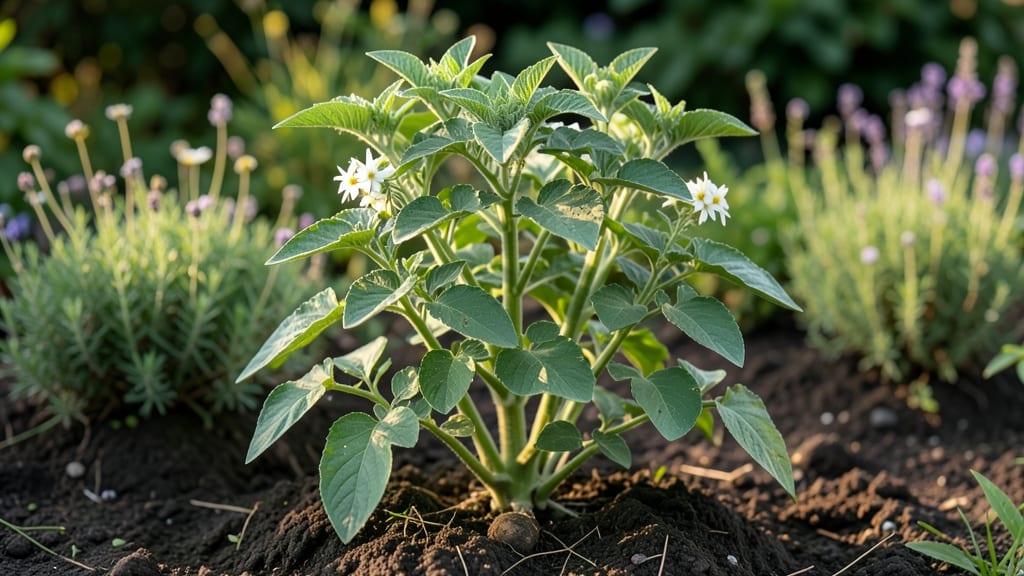
Wondering just how tall a potato plant grows this growing season? The answer might surprise you—because potato plants don’t just grow upward; their height directly impacts your harvest success.
Some varieties stay compact at 12 inches, while others stretch toward 3 feet, and knowing the difference can mean the gap between a modest yield and a garden full of spuds.
If you’ve ever struggled with overcrowded plants or wondered why some potatoes produce fewer tubers, their height plays a bigger role than you might think. Bush varieties stay low and bushy, perfect for containers, while vine types sprawl—sometimes aggressively—if left unchecked.
The key to managing their growth lies in understanding their natural tendencies and how your garden conditions can either encourage or stifle their vertical ambitions.
In this guide, I’ll break down exactly what to expect from your potato plants at each growth stage, from those first tender sprouts to the towering (or sometimes stubbornly short) mature plants.
You’ll also discover simple tricks to control their height—whether you’re dealing with a 3-foot monster or a stubborn 8-inch dwarf—so you can optimize space and maximize your harvest, no matter your garden setup.
Ready to turn your potato patch into a productivity powerhouse? Let’s dig into the details so you can grow with confidence—and maybe finally figure out why your last batch of plants either took over the garden or barely made it past your knees.

Potato plant height by variety: from dwarf to towering types
Potato plants vary dramatically in height depending on the variety you choose, with some staying compact like bush beans while others stretch tall like sunflowers. Understanding these differences helps you plan spacing, trellising, and even container gardening for optimal yields.
For example, dwarf varieties like 'Yukon Gold' stay under 12 inches, while standard types like 'Russet Burbank' can reach 3 feet or taller.
Height isn’t just about aesthetics—it directly impacts harvest success. Taller varieties often produce more tubers per plant but require more space, while shorter types are ideal for small gardens or containers.
Even the soil depth and pruning habits can influence how much a plant stretches vertically. Let’s break down the most common potato varieties by their mature heights and ideal growing conditions.
🥔
| Variety Type | Mature Height | Spacing Needs | Best For |
|---|---|---|---|
| Dwarf Varieties | 8–12 inches | 6–9 inches apart | Containers, small gardens, early harvests |
| Semi-Dwarf Varieties | 1–2 feet | 12–15 inches apart | Raised beds, in-ground gardens |
| Standard Varieties | 2–3 feet | 18–24 inches apart | Large gardens, trellising, high yields |
| Vining Varieties | 3+ feet (can sprawl) | 24+ inches apart or trellis | Vertical gardening, large spaces |
If you’re growing potatoes in containers, opt for dwarf or semi-dwarf varieties like 'Red LaSoda' or 'Kennebec' to avoid overcrowding. These stay under 2 feet and thrive in 5-gallon buckets with proper drainage.
For in-ground gardens, standard varieties like 'Russet' or 'Sweet Potato' (yes, some are true potatoes!) can stretch toward 3 feet, so plan your layout accordingly.
Another factor to consider is growth habit. Some varieties, like 'Blue Congo', grow in bushy mounds rather than tall stems, while others, such as 'Purple Viking', send up long, vine-like stems.
The latter may need staking or trellising to prevent stems from flopping over, which can reduce sunlight exposure and tuber production.
For early-season varieties, expect shorter heights (often 1–1.5 feet) because they focus energy on rapid tuber development rather than foliage growth. Late-season types, however, invest more in vertical growth to support larger leaves for photosynthesis.
This is why 'Yukon Gold' (early) stays compact, while 'Idaho Russet' (late) can tower over 2.5 feet.
🌱
Pro tip: If you’re short on space, try hill planting—piling soil around the stems as they grow. This encourages deeper tuber formation while keeping the foliage from sprawling.
Just be sure to leave 6–12 inches of space between plants to avoid competition, regardless of variety. Overcrowding leads to stunted growth and smaller yields, even in tall varieties.
For container growers, choose varieties labeled as "compact" or "bush-type," such as 'Finnish Yellow' or 'Adirondack Red'. These max out at 18 inches and produce plentiful tubers in limited space.
Pair them with a lightweight potting mix and regular watering to prevent the roots from drying out, which can stunt height and reduce harvests.
💧
Remember, the height of your potato plant isn’t the only indicator of success. Focus on leaf color, stem strength, and flower production (if your variety blooms) to gauge overall health.
A plant that’s too tall but leggy may need more sunlight or nutrients, while one that’s too short and stunted might suffer from overcrowding or poor soil. Balance is key!
Growth stages of potato plants: when and how they reach maximum height
Potato plants don’t grow tall overnight—they follow a predictable growth cycle that spans 4-6 weeks from sprouting to flowering. Understanding these stages helps you anticipate their maximum height and adjust care accordingly.
Each phase brings the plant closer to its mature size, whether it’s a dwarf variety at 12 inches or a tall vine reaching 3 feet.
In the first 2-3 weeks, you’ll see sprouts break through the soil, growing 1-2 inches per week. This early growth sets the foundation for the plant’s eventual height.
During this time, focus on consistent moisture and full sun to encourage strong stem development. Skipping this step can stunt future growth, leaving you with underdeveloped foliage and fewer tubers.
- Week 1-2: Sprouting (1-2 inches tall)
- Week 3-4: Rapid foliage growth (6-12 inches)
- Week 5-6: Flowering (12-36 inches, variety-dependent)
- Week 7+: Tuber bulking (height stabilizes)
Height varies by variety—early potatoes stay shorter, while late-season types reach full height later.
By week 3-4, your potato plants enter their rapid growth phase, shooting up 6-12 inches as they develop broad leaves and sturdy stems. This is when you’ll notice the biggest height gains, especially in tall varieties like Russet Burbank.
To support this surge, mulch around the base to retain moisture and prevent stem breakage from wind. Avoid overwatering, though—waterlogged soil can weaken stems and reduce height potential.
The flowering stage (weeks 5-6) marks the plant’s peak height, with some varieties like Red Pontiac topping out at 2 feet while others, such as Kennebec, may stretch toward 3 feet.
Flowers signal that the plant is redirecting energy from vertical growth to tuber formation underground. Prune spider mites or aphids early to avoid stunted growth—pests can sap energy needed for height and yield.
After flowering, height growth slows dramatically as the plant shifts focus to tuber development. You might see minimal additional growth, but the foliage thickens to maximize photosynthesis. This is your cue to reduce nitrogen-rich fertilizers (like fresh manure) and switch to potassium-heavy feeds to support tuber growth.
Over-fertilizing now can lead to excessive foliage at the expense of harvestable potatoes.
By week 8-10, most potato plants have reached their final height, though late-season varieties may continue growing until harvest. Watch for yellowing leaves—a sign the plant is maturing.
If you’re growing in containers, ensure the pot is at least 12 inches deep to accommodate root and tuber expansion. Shallow containers can restrict height and yield, leaving you with stunted plants and small potatoes.
Pro tip: Use trellises or cages for tall varieties to save space and improve airflow, reducing disease risk. Even dwarf types benefit from light support if grown in windy areas. The key to managing height isn’t just pruning—it’s balancing sun, water, and soil nutrients at each stage.
With the right care, your potato plants will hit their ideal height and reward you with a bountiful harvest.