
Companion Plants
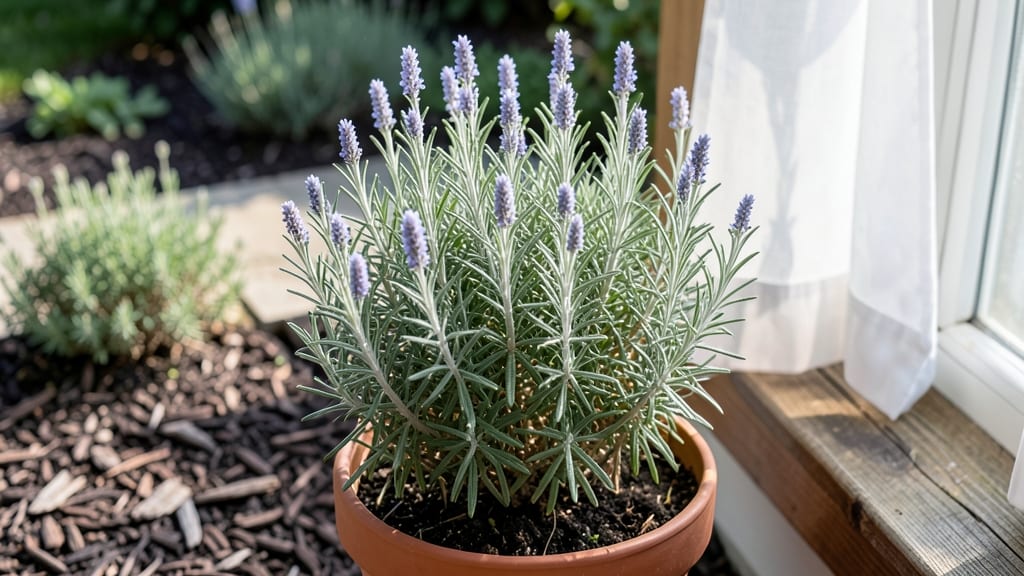
If you’ve ever wondered how tall your rosemary plant could grow—whether it’ll stay a neat 2-foot herb or stretch into a towering 6-foot shrub—the answer depends on one key factor: pruning.
This hardy 🌿 herb isn’t just for your kitchen; it’s a living plant with growth habits you can shape, whether you want a compact bush or a dramatic vertical accent in your garden.
Most rosemary plants naturally reach 3–6 feet at maturity, but their final height isn’t set in stone. Varieties like Tuscan Blue lean toward the taller side, while dwarf types stay under 2 feet. The secret to controlling its size?
Pruning at the right time—spring or fall—and knowing when to trim for bushiness or height. With the right techniques, you can turn a wild, leggy plant into a perfectly sized addition to your garden or kitchen.
Beyond height, rosemary’s versatility makes it a garden MVP. Use it as a fragrant hedge, a culinary staple, or even a drought-resistant border. But first, you’ll need to understand how to guide its growth.
Whether you’re dealing with a 6a-zone climate or a container on your patio, the right pruning strategy ensures your rosemary thrives—and stays exactly the size you want.
Ready to unlock the full potential of your rosemary? Let’s dive into the pruning secrets that’ll keep it compact, lush, and ready for harvest year-round. Your herb garden’s future starts with a pair of shears and a little know-how.

Rosemary growth height guide: natural size vs. varietal differences
Rosemary plants are versatile shrubs that can grow anywhere from 1 foot to over 6 feet tall, depending on variety and growing conditions.
As a woody perennial, rosemary’s height is influenced by sunlight exposure, soil drainage, and pruning habits—making it adaptable for both herb gardens and ornamental landscapes.
The average mature height for most rosemary varieties falls between 3 and 5 feet when grown in ideal conditions. However, some dwarf varieties stay under 2 feet, while unpruned specimens can reach 6 feet or taller in warm climates. Understanding these ranges helps you plan spacing and pruning strategies.
| Growth Stage | Height Range | Key Influencers |
|---|---|---|
| Year 1 (Seedling) | 6–12 inches | Sunlight, soil drainage |
| Year 2 (Established) | 1–3 feet | Pruning frequency, climate |
| Mature (3+ Years) | 3–6 feet | Variety, watering habits |
| Dwarf Varieties | 1–2 feet | Genetics, container growth |
One of the biggest factors affecting rosemary’s height is its growth habit. Upright varieties, like Rosmarinus officinalis, naturally grow taller and narrower, while spreading types, such as Rosmarinus prostratus, stay low and wide—ideal for ground cover or container gardens.
Even within the same species, pruning techniques can drastically alter height.
For example, regular pruning encourages bushier, compact growth (2–3 feet), while minimal trimming allows rosemary to grow tall and leggy (4–6 feet). In container gardening, height is naturally limited by pot size, often keeping plants under 3 feet unless heavily fertilized.
This makes rosemary a flexible choice for both small balconies and large landscapes.
Climate also plays a role. In USDA Zones 8–10, rosemary thrives year-round and can grow 20–30% taller than in cooler zones (6–7), where winter dieback may limit height gains. Well-draining soil is critical—rosemary hates soggy roots, which stunt growth.
Amend heavy clay with sand or gravel to promote healthy, upright stems.
If you’re growing rosemary for culinary use, aim for a 3–4 foot height—this ensures a steady supply of aromatic leaves while keeping the plant manageable. For ornamental purposes, taller varieties (5–6 feet) create stunning hedges or privacy screens, especially when trained against a fence or wall.
The key is balancing your goals with the plant’s natural tendencies.
Pro tip: Measure your rosemary’s growth annually in spring. If it’s outgrowing its space, prune back by 1/3 to encourage denser foliage. This not only controls height but also rejuvenates older stems, ensuring your rosemary stays productive and healthy for years.
Whether you prefer a towering bush or a compact herb, rosemary’s adaptability makes it a star in any garden. The secret? Know your variety, prune strategically, and give it the right growing conditions to reach its full potential—without taking over your space.
🌿
Rosemary growth height guide: natural size vs. varietal differences
Rosemary plants are versatile shrubs that can reach heights from 1 foot to 6 feet, depending on their variety and growing conditions.
In my USDA Zone 6a garden, I’ve seen standard rosemary varieties like Rosmarinus officinalis grow up to 5 feet tall when left unpruned, while dwarf varieties stay compact at just 1-2 feet.
The natural growth habit of rosemary is upright and woody, but it can also spread outward if not pruned regularly. Well-draining soil and full sun exposure (6+ hours daily) encourage taller growth, while poor soil or shade can stunt its development.
If you’re planning your herb garden layout, accounting for rosemary’s mature size will help avoid overcrowding.
| Variety | Height Range | Growth Habit | Sunlight Needs |
|---|---|---|---|
| Standard (e.g., Rosmarinus officinalis) | 4–6 ft | Upright, woody | Full sun (6+ hrs) |
| Dwarf (e.g., Rosmarinus officinalis 'Blue Spires') | 1–2 ft | Compact, bushy | Full sun |
| Trailing (e.g., Rosmarinus prostratus) | 1–3 ft (spreading) | Prostrate, cascading | Full sun |
Climate plays a huge role in rosemary’s height. In warmer climates (Zones 8-10), rosemary can grow faster and taller, sometimes reaching 6 feet or more without intervention. Meanwhile, in cooler zones (like mine in Zone 6a), growth slows in winter, and plants may stay shorter unless protected.
I’ve found that mulching in fall helps insulate roots and encourages stronger spring growth.
Soil type also influences height. Sandy, well-draining soil is ideal—rosemary hates soggy roots, which can stunt growth or even kill the plant. If your soil is clay-heavy, amending it with compost or perlite can improve drainage and support healthier, taller growth.
I’ve seen rosemary thrive in raised beds with amended soil, reaching its full potential height.
For container gardening, rosemary’s height is easier to manage because root growth is restricted. In pots, standard varieties typically max out at 3-4 feet, while dwarf varieties stay under 2 feet.
Choose a container with drainage holes and use a well-draining potting mix to prevent root rot, which can limit growth. I’ve had great success with 12-inch pots for standard rosemary, keeping it compact and manageable.
Understanding these factors helps you plan your garden or container setup effectively. Whether you want a tall, ornamental shrub or a compact herb for your kitchen, rosemary’s height is entirely within your control—especially with the right pruning techniques. 🌿