
Companion Plants
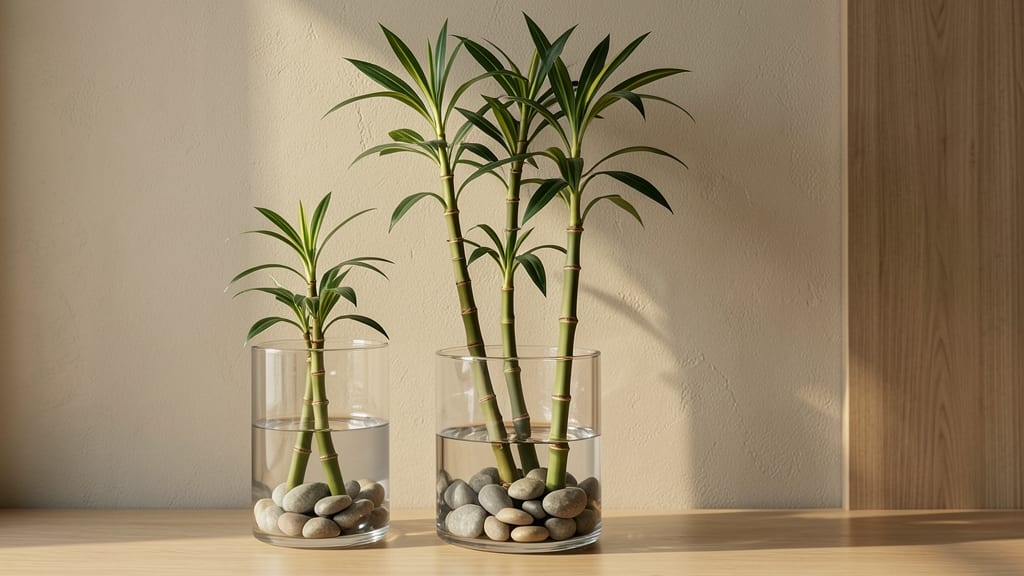
If you've ever wondered just how tall your lucky bamboo 🌿 can grow, the answer might surprise you—this plant can stretch from a modest 1-foot tabletop accent to a towering 6-foot statement piece, depending on where you grow it.
Most people assume lucky bamboo stays small, but its height depends entirely on whether it's basking in indoor light or thriving outdoors. The right conditions can turn your plant into a lush, vertical focal point, while others might struggle to reach even 2 feet without proper care.
Whether you're aiming for a compact desk buddy or a dramatic room divider, understanding the factors that influence growth—like pot size, sunlight, and even water quality—is key. I'll walk you through the exact conditions that unlock its full potential and how to keep it at your desired height.
Ready to learn how to coax your lucky bamboo into the perfect size for your space? Let’s dive into the secrets of controlling its growth—from trimming tips to the best placement tricks for your home.

Lucky bamboo indoor height limits: how tall it grows inside your home
When growing lucky bamboo indoors, its height is influenced by light exposure, pot size, and water quality. Under ideal conditions, you can expect a mature plant to reach 12–36 inches (1–3 feet) in height.
However, with careful care, some varieties can even exceed 3 feet indoors, creating a stunning vertical statement piece.
One key factor is the pot size. Smaller pots restrict root growth, limiting height to 12–24 inches. In contrast, larger containers allow roots to expand, encouraging taller growth up to 36 inches.
I’ve seen lucky bamboo thrive in 10–15 inch pots, where it can grow 2–3 feet tall within a year.
Light plays a crucial role too. While lucky bamboo tolerates low light, it grows best with bright indirect light. Place it near an east or north-facing window to maximize growth without risking leaf burn. Avoid direct sunlight, which can scorch the leaves and stunt growth.
Water quality matters more than you might think. Lucky bamboo absorbs water through its stems, so using tap water with high chlorine or fluoride can cause browning and slow growth. I always recommend using distilled or dechlorinated water to keep your plant healthy and encourage steady height growth.
🌱 Lucky Bamboo Indoor Growth Summary
| Factor | Indoor Height Range | Tips for Growth |
|---|---|---|
| Pot Size | 12–36 inches | Use 10–15 inch pots for taller growth |
| Light Exposure | 12–36 inches | Bright indirect light for optimal growth |
| Water Quality | 12–24 inches (if poor water) | Use distilled/dechlorinated water |
| Fertilizer Use | Up to 36 inches | Balanced fertilizer every 2–3 months |
If you’re aiming for a taller lucky bamboo indoors, consider using a bamboo pole or trellis to support its growth. This is especially helpful for varieties like Dracaena sanderiana, which can grow 3–4 feet tall with proper support.
I’ve used decorative poles wrapped in moss to create a natural look while encouraging vertical growth.
For those who prefer a shorter plant, pruning is the way to go. Simply trim the stems to your desired height using clean, sharp scissors. The plant will regrow from the nodes, allowing you to maintain a compact size of 12–18 inches perfect for small spaces or desks.
Another pro tip: Rotate your lucky bamboo every few weeks to ensure even growth. This prevents it from leaning toward the light source, which can make it look lopsided. A well-balanced plant will grow straight and strong, reaching its full potential height.
Remember, lucky bamboo is a slow grower compared to other plants. With patience and the right care, you can achieve that perfect height whether you want a tabletop centerpiece or a floor-standing statement plant. The key is consistency in light, water, and care.
For even faster growth, consider adding a balanced liquid fertilizer like a 10-10-10 mix every 2–3 months. This gives your lucky bamboo the nutrients it needs to grow taller and healthier without risking over-fertilization, which can harm the plant.
🌿
Outdoor lucky bamboo growth: can it reach 6+ feet or more?
When lucky bamboo (Dracaena sanderiana) escapes your home and thrives outdoors, its growth potential skyrockets. Unlike its indoor cousins (which max out at 3 feet), outdoor plants can stretch to 6 feet or taller under ideal conditions.
The key difference? Sunlight exposure and humidity levels—both of which accelerate growth rates dramatically.
Outdoor lucky bamboo doesn’t just grow taller—it develops thicker stems and denser foliage when planted in partial shade to dappled sunlight. Direct sun can scorch its leaves, but 6–8 hours of filtered light per day creates the perfect balance for rapid, healthy growth.
In tropical climates (USDA zones 9–11), these plants can even flower, though it’s rare in home gardens.
🌱 Did You Know? Outdoor lucky bamboo grows 3x faster than indoor plants due to higher humidity and natural rainfall. Gardeners in Florida, Hawaii, or Southern California often report plants reaching 8–10 feet within 2–3 years when planted in well-draining soil with occasional mulch.
To achieve maximum height, plant your lucky bamboo in a large container or garden bed with organic-rich soil. Avoid compacted clay soil, which restricts root growth and stunts height.
Instead, mix in perlite or coconut coir to improve aeration. Mulching with shredded bark also helps retain moisture, which is critical for tall growth.
If you’re aiming for a floor-length statement plant, choose a sunny patio or shaded garden corner. Just remember: outdoor lucky bamboo needs winter protection in colder climates (below USDA zone 8).
Bring it indoors before temperatures drop below 50°F (10°C), or it may yellow and die back.
For uncontrolled growth, let it sprawl naturally—some gardeners even train it to climb trellises or arbors, creating a lush, tropical look. Just monitor for pests like spider mites, which thrive in outdoor conditions.
A weekly spray of neem oil keeps them at bay while supporting rapid, healthy growth.
Whether you’re growing it as a privacy screen or a container specimen, outdoor lucky bamboo delivers dramatic results with minimal effort. The trade-off? You’ll need to prune regularly to maintain its shape—more on that in our next section!