
Plants
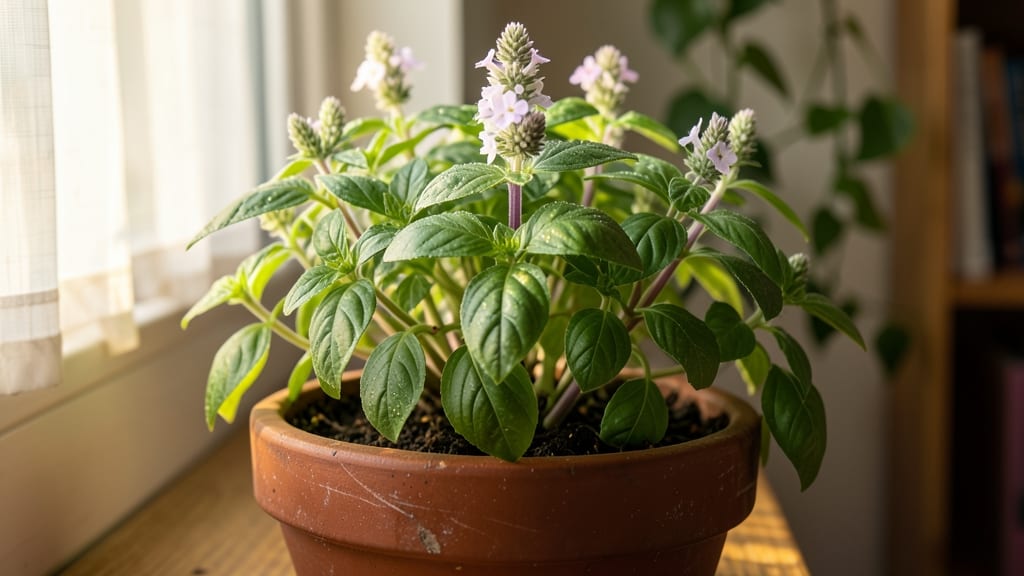
If you’re wondering how tall can a basil plant grow, you’re not alone—this common herb can reach surprising heights depending on where and how you grow it.
While most varieties top out between 12 and 24 inches, some bold varieties like 'Mammoth' can stretch toward 3 feet if given the right conditions.
Whether you're growing basil in containers or garden beds, its height depends on sunlight, pruning habits, and even the pot size. Container-grown basil often stays shorter unless you use deep pots or vertical supports, while open garden plants thrive with more space to spread.
The key to keeping it manageable? Regular pruning and proper care.
Curious about how to control your basil’s growth? I’ll break down the factors that influence its height—from sunlight needs to pruning techniques—and show you how to keep it at your ideal size.
Whether you want a compact plant for your windowsill or a towering harvest for your kitchen, you’ll learn the secrets to managing basil growth like a pro.
Let’s explore how to maximize (or minimize) your basil’s height while keeping it healthy and productive all season long. With the right approach, you can enjoy lush, flavorful leaves without the unexpected jungle takeover!

Natural basil growth height in open garden conditions (and how to maximize it)
When planted in open garden beds, basil typically reaches its full potential height of 18 to 24 inches, though some varieties like Genovese or Sweet Basil can stretch toward 30 inches under ideal conditions.
This growth happens when roots spread freely in nutrient-rich, well-draining soil with 6+ hours of sunlight daily. The key to maximizing height lies in understanding how variety, pruning, and environmental factors interact.
Genovese basil, the classic pizza herb, often tops out at 24 inches when left unpruned, while Thai basil varieties stay slightly shorter at 12–18 inches due to their bushier growth habit.
Purple basil, with its striking foliage, typically reaches 18–22 inches but may need extra support if grown in windy areas. The difference in height comes down to genetics—some basil types prioritize leaf production over vertical growth.
| Variety | Mature Height | Growth Habit | Max Height Tips |
|---|---|---|---|
| Genovese | 18–24" | Tall, upright | Prune top leaves to encourage bushiness |
| Thai Basil | 12–18" | Bushy, sprawling | Use mulch to retain moisture |
| Purple Basil | 18–22" | Medium, upright | Stake for wind protection |
Sunlight is the #1 factor determining basil’s height. Plants in full sun (6–8 hours) grow 20–30% taller than those in partial shade, which often results in leggy, weak stems.
I’ve noticed my Genovese basil in a south-facing bed hits 28 inches by mid-summer, while identical plants in a shadier east bed max out at 16 inches. To maximize height, place basil where it gets morning sun and afternoon shade in hot climates—this prevents stress that stunts growth.
Pruning isn’t just for shaping—it’s a growth hack. When you pinch off the top set of leaves (about 1/3 of the plant’s height) 2–3 weeks after transplanting, you trigger lateral branching, which creates a bushier, stockier plant.
I prune my basil every 4–6 weeks during the growing season, and my plants stay compact yet productive instead of top-heavy and prone to falling over. Avoid heavy pruning late in the season, as new growth won’t harden off before frost.
Soil quality plays a surprising role in height. Basil in poor, rocky soil often grows only 12–16 inches tall because its energy goes into root development rather than vertical growth. Amend your garden beds with 2–3 inches of compost before planting, and top-dress with well-rotted manure mid-season.
I’ve seen basil in rich, loamy soil reach 30 inches in just 8 weeks—double the height of plants in the same variety but sandy soil. A pH of 6.0–7.0 is ideal for basil’s nutrient uptake.
Watering habits also influence height. Basil plants that dry out completely between waterings often grow taller but weaker, with long, spindly stems. To encourage strong, sturdy growth, water deeply every 2–3 days in hot weather, keeping the top 1–2 inches of soil moist.
I use drip irrigation for my garden basil to deliver water at the soil level, which reduces evaporation and prevents the stress that causes leggy growth. Mulching with straw or shredded leaves helps retain moisture and keeps roots cool.
If you’re growing basil for culinary use, focus on harvesting regularly rather than letting it grow tall. Pinching back leaves encourages new growth at lower nodes, creating a fuller, more productive plant.
I harvest my basil every 2–3 weeks, taking only the top 1–2 sets of leaves to maintain the plant’s shape. This method keeps my basil 18–22 inches tall while ensuring a steady supply of fresh leaves all season.
For taller basil varieties, consider staking or trellising. Genovese basil, in particular, benefits from light support as it grows. I use
Container basil growth limits: how pot size, depth, and variety restrict height
When growing basil in containers, your plant’s height potential shrinks dramatically compared to open garden beds. Root-bound stress and limited soil volume force basil to grow shorter, often reaching only half its natural height.
A 5-gallon pot might yield a 12-inch dwarf variety, while the same plant in a 10-gallon container could stretch to 18-20 inches. The key? Pot depth matters more than width—basil needs at least 12 inches of soil to develop strong roots and support upright growth.
Dwarf varieties like Spicy Globe or Mini Basil naturally max out at 6-12 inches, making them perfect for window-sill gardens or hanging baskets. These compact types thrive in 5-inch pots but rarely exceed 1 foot tall, even with ideal care.
Meanwhile, standard varieties like Genovese or Sweet Basil can hit 18-24 inches in larger containers—but only if you prune aggressively and fertilize regularly to compensate for limited nutrients.
🌱
Container Basil Growth Comparison
| Container Size | Basil Variety | Max Height | Root Stress Risk |
|---|---|---|---|
| 5-inch pot | Spicy Globe | 6-10" | High (root-bound by 4 weeks) |
| 7-inch pot | Genovese | 12-16" | Moderate (needs repotting by 8 weeks) |
| 10-gallon pot | Sweet Basil | 18-24" | Low (ideal for 1 season) |
| Hanging basket (12" deep) | Thai Basil | 10-14" | Moderate (sprawling growth) |
⚠️ Pro Tip: Use fabric pots to reduce root circling and extend height potential by 20-30%.
To coax taller growth in containers, try these vertical gardening hacks: Install a mini trellis or bamboo stake to support leggy stems, and pinch back the top set of leaves to encourage bushier growth.
For tall varieties like Mammoth Basil, upgrade to a 15-gallon container—this gives roots enough room to anchor a 24-36 inch plant. Just remember: container-grown basil will always be shorter than its garden-bed cousins, but with the right techniques, you can maximize every inch.
Another game-changer? Topping your basil (cutting the main stem just above a leaf node) triggers lateral branching, which can add 4-6 extra inches of width—and indirectly support taller stems. This works best in 8-inch or larger pots, where roots have room to spread.
Skip topping in small containers, though, or you’ll stress the plant further by limiting its already constrained root system.
🪴 If your basil starts leaning or sprawling, it’s not just a height issue—it’s a light or space problem. Rotate containers quarter-turns daily to ensure even sunlight exposure, and avoid placing them in shady corners.
A south-facing windowsill or balcony with 6+ hours of sun is non-negotiable for container basil that wants to grow tall. Without enough light, even the hardiest varieties will stay stunted and leggy.
For year-round container growing, swap out pots every 6-8 weeks to refresh soil nutrients. Old, depleted soil is a height killer, causing basil to focus energy on survival rather than vertical growth.
Pair this with a balanced fertilizer (like 10-10-10) every 4 weeks, and you’ll see 20-30% taller plants compared to neglected containers. Just don’t overdo it—too much nitrogen leads to soft, floppy stems that can’t support their own weight.