
Planting
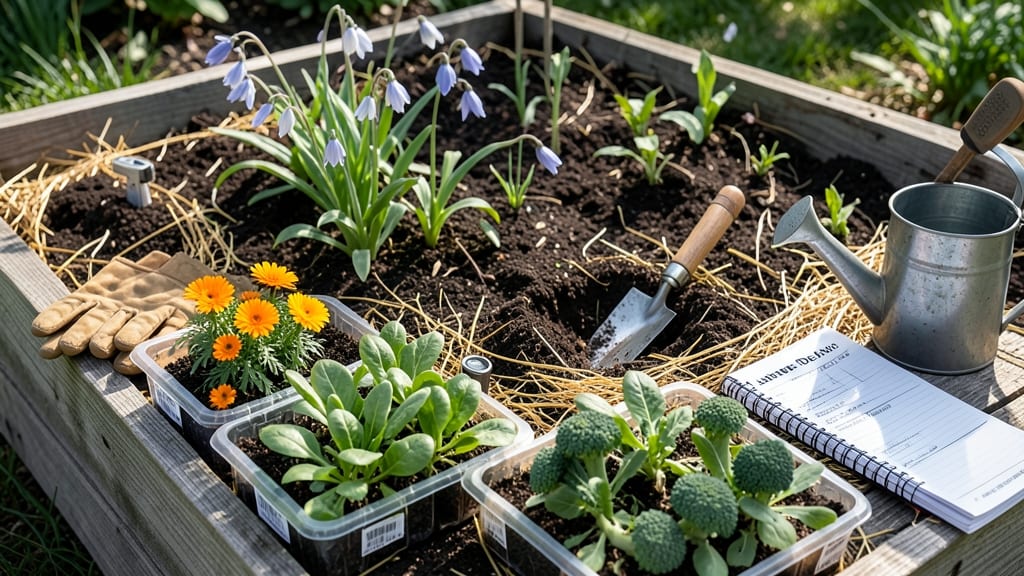
When to plant a garden in Colorado isn’t just about calendar dates—it’s about surviving 10,000-foot elevation swings where frost can strike twice in a week. Whether you’re in Denver’s Front Range or the high-altitude Western Slope, planting too early risks losing your 🌱 General Garden Plants to a late freeze, while waiting too long cuts your harvest short.
Most Colorado gardeners know the basics—spring and fall are prime—but the real magic happens in the details.
Your USDA Zone 5-7 label only tells part of the story: Denver’s last frost might be April 15, but Colorado Springs pushes it to May 1, and mountain regions like Steamboat can see snow until June.
That’s why I’ve broken down the exact windows for cool-season crops (like spinach) versus warm-season stars (tomatoes and peppers) so you can plant with confidence.
What you’ll discover here is how to stretch your growing season without risking frost damage. From soil temperature tricks to microclimate hacks, these strategies let you plant 2-4 weeks earlier—or later—than the average gardener. No more guessing whether your zucchini will bolt or your lettuce will freeze.
Ready to turn Colorado’s unpredictable climate into your garden’s superpower? Let’s dive into the frost-date cheat sheet that finally makes sense for your elevation—and your 120-180 frost-free days.
Colorado planting zones by elevation: frost dates and last-first frost timelines
Colorado’s elevation-driven climate creates dramatic planting differences—what thrives in Denver (5,280 ft) may fail in Aspen (8,000 ft). Understanding your microclimate is key to avoiding frost damage or wasted seeds.
Below, I’ve broken down the four critical elevation zones with their frost timelines, USDA zone overlaps, and heat-unit calculations for warm-season crops like tomatoes and cool-season crops like spinach.
For example, Front Range cities (Denver, Boulder) typically see their last spring frost around April 15–May 1, while Western Slope areas (Grand Junction) can plant 2–3 weeks earlier. Meanwhile, High Mountain regions (above 8,000 ft) may not be frost-free until June 1—or never for some crops!
🌱
| Elevation Zone | Avg. Last Spring Frost | Avg. First Fall Frost | USDA Zones | Frost-Free Days | Warm-Season Crop Notes |
|---|---|---|---|---|---|
| Front Range (2,600–6,000 ft) | April 15–May 1 | October 15–30 | 5–7 | 120–150 days | Tomatoes need 90+ days; start seeds indoors by March 1. |
| Western Slope (3,500–5,500 ft) | March 20–April 5 | October 5–15 | 6–8 | 150–180 days | Peppers thrive here; plant after May 10 for best results. |
| Eastern Plains (3,500–4,500 ft) | April 1–15 | October 10–20 | 5–6 | 130–160 days | Corn loves the heat; plant after May 15 for full maturity. |
| High Mountains (6,000–10,000+ ft) | May 15–June 1 | September 1–15 | 3–5 | 60–100 days | Stick to cool-season crops (kale, peas) or use row covers. |
⚠️ Microclimate Tip: Urban areas (like Denver) often warm 2–3°F faster than rural zones—adjust planting dates accordingly!
Microclimates matter! A south-facing slope in Colorado Springs might be 2 weeks earlier than a north-facing yard. Urban heat islands (like downtown Denver) can push last frost dates 5–7 days later than suburbs. Always check local Almanac frost records or use a home weather station for precision.
For warm-season crops (tomatoes, peppers, squash), calculate heat units using your zone’s frost-free days. For example, a 90-day tomato in Denver (150 frost-free days) needs planting by May 1, but in Grand Junction (180 days), you’ve got until June 1.
Use this formula: (Frost-free days – Days to maturity) = Planting window.
🌿
Cool-season crops (spinach, lettuce, peas) are far more flexible. In High Mountain zones, you can plant them as early as late April (when soil hits 40°F) and still harvest before the first frost. Meanwhile, Eastern Plains gardeners can squeeze in two fall plantings: one in late July and another in early September for a late harvest.
Pro tip: Use Colorado State University’s PlantTalk tool or the Old Farmer’s Almanac to refine your local frost dates. For high-altitude gardens, add 2–4 weeks to all planting windows—even for hardy crops like potatoes and carrots.
✂️
Best planting calendar for Colorado gardens: month-by-month guide by crop type
Colorado’s short growing season demands precision—planting too early risks frost damage, while waiting too long cuts harvests short. My month-by-month calendar aligns with elevation zones, grouping crops by heat needs (cool-season vs. warm-season) to maximize your yield.
For example, spinach thrives in Denver’s cool springs, while tomatoes need the Western Slope’s longer summers.
Let’s start with cool-season crops like lettuce, peas, and broccoli. These hardy plants can handle light frosts and often tolerate earlier spring planting (as early as March in Zone 5). In high-altitude areas (Zone 4), wait until mid-April when soil temps hit 40°F.
For fall planting, aim for late August to harvest before first frost (October 1 in mountains).
- March-April (Zone 5-7): Lettuce, peas, spinach, broccoli, kale
- April-May (All Zones): Potatoes, onions, carrots, radishes
- May (Zone 6-7): Beets, Swiss chard, cabbage
- May-June (Zone 6-7): Tomatoes, peppers, cucumbers, squash
- June (Zone 5): Basil, beans, corn (after last frost)
- July (High Altitude): Malabar spinach, amaranth (heat-tolerant swaps)
- August (Zone 5-7): Kale, Brussels sprouts, radishes, arugula
- September (All Zones): Garlic, onions, spinach (for overwintering)
- October (Zone 6-7): Cover crops like clover or winter rye
For warm-season crops like tomatoes and peppers, timing is critical. In Denver (Zone 5), wait until mid-May after the average last frost (April 15). In Grand Junction (Zone 7), you can plant 2 weeks earlier (late April).
Pro tip: Use biodegradable pots for seedlings to avoid transplant shock when moving them outdoors after frost.
Colorado’s native plants and adaptable crops deserve spotlight too. Huckleberries and chokecherries thrive in high-altitude zones (Zone 4) and can be planted in early June when soil warms. For succession planting, sow lettuce every 2 weeks from April to August to ensure a continuous harvest.
This works especially well in shorter-season areas like Fort Collins (Zone 4).
Don’t forget herbs! Cilantro bolts in heat, so plant it in spring and fall only. Oregano and thyme, however, are drought-tolerant perennials that thrive in Colorado’s dry climate—plant them in early spring and they’ll reward you for years.
For flowers, cosmos and zinnias are heat-loving annuals perfect for summer planting in all zones.
Adjust your schedule if you’re using season extenders like row covers or cold frames. These can push spring planting 2-3 weeks earlier or fall harvests 1-2 weeks later. Always check local microclimates: urban areas like Aurora may frost 1-2 weeks later than rural Castle Rock.
When in doubt, plant a few extra seeds—you can always thin later! 🌱