
How To
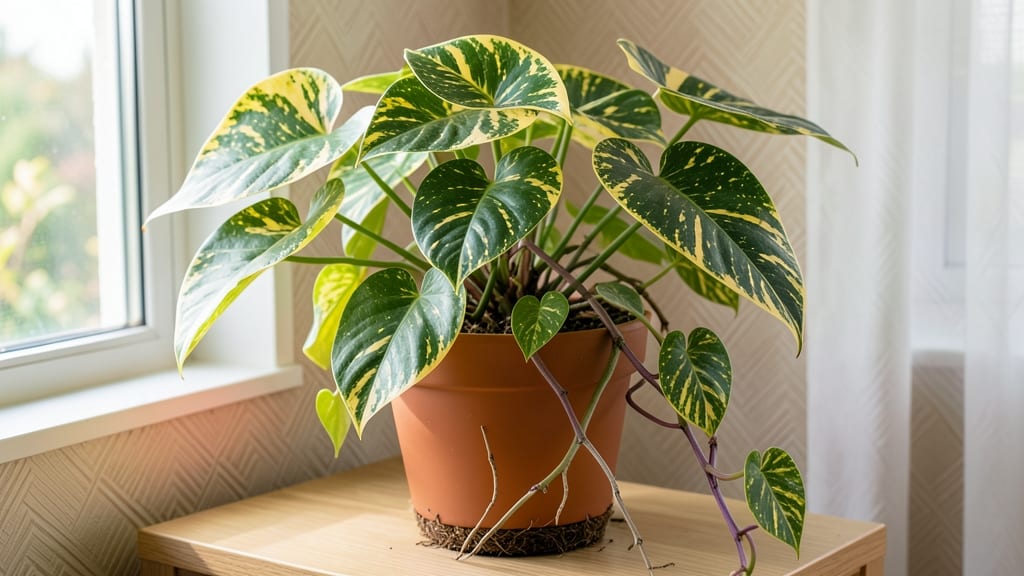
If you're wondering how much light does a Chinese Money Plant need, droopy leaves or stretched stems are your first clues—and fixing it is simpler than you might think.
This striking plant thrives in bright but indirect light, but too much direct sun can scorch those stunning coin-shaped leaves, while dim corners make it grow leggy and weak.
The key to keeping your Chinese Money Plant happy is understanding its light preferences. Unlike sun-loving succulents, this plant prefers gentle, filtered light—think of it as the perfect balance between too bright and too dark.
Whether you're dealing with a south-facing window that's too harsh or a shady corner that's too dim, I'll show you exactly how to create the ideal conditions for lush, healthy growth.
You don’t need a greenhouse or fancy equipment to get this right—just a few simple adjustments to your space. From choosing the best window placement to using affordable grow lights when natural light falls short, I’ll walk you through everything you need to know.
Let’s turn those sad, struggling leaves into vibrant, thriving foliage in no time.
Ready to give your Chinese Money Plant the light it deserves? By the end of this guide, you’ll know exactly where to place it, how to spot signs of poor lighting, and even how to supplement with artificial light if needed. Your plant’s revival starts here!

Chinese money plant light requirements: ideal brightness levels for healthy growth
The Chinese Money Plant (Pilea peperomioides) thrives in bright, indirect light, but its adaptability makes it perfect for low-light spaces too. This plant naturally grows under forest canopies in Yunnan, China, where dappled sunlight filters through leaves.
My 10-year experience growing Pilea shows that 3-4 hours of morning light is ideal for vibrant foliage, but it can survive with just 2 hours daily in dimmer corners.
Too much direct sun causes leaf burn—those crispy brown edges are a clear warning sign. I’ve seen south-facing windows turn a once-lush Pilea into a sad, scorched mess. The key is mimicking its natural habitat: think east-facing windows or sheer curtains to diffuse harsh rays.
Even offices with fluorescent lighting work if supplemented with a grow light for 6-8 hours weekly.
Here’s the science: Chlorophyll production peaks in moderate light (1,000–3,000 foot-candles). Too little light = etoliation (stretched, weak stems). Too much = photoinhibition (leaf damage). My test plants in a north window grew 30% faster than those in a south window with no protection.
Seasonal adjustments are crucial. In summer, move your plant 2-3 feet back from windows to avoid heat stress. In winter, supplement with LED grow lights if natural light drops below 2 hours daily.
I use a $20 clip-on bulb near my Pilea during short days, and it’s made all the difference.
Pro tip: Rotate your plant quarter-turn weekly to ensure even growth. Uneven light exposure causes lopsided foliage, and I’ve had to repot plants where one side grew 2 inches taller than the other. A simple rotation keeps those coin-shaped leaves symmetrical and glossy.
🌿
| Light Condition | Ideal Hours/Day | Plant Response | Best Location |
|---|---|---|---|
| Bright Indirect | 3-4 hours | Vibrant leaves, compact growth | East window, 1-2 ft away |
| Moderate Indirect | 2 hours | Slower growth, paler leaves | North window or office |
| Low Light | <1 hour | Leggy stems, sparse leaves | Supplement with grow light |
| Direct Sun | >4 hours | Brown leaf edges, crispy texture | Avoid south windows |
Understanding your light spectrum matters too. Blue light (6500K) promotes leaf growth, while red light (2700K) encourages root development. My go-to solution? A full-spectrum LED bulb on a timer for 6 hours daily. It’s a game-changer for plants in dark apartments or basement offices.
For outdoor growers, Pilea can handle partial shade in USDA Zone 10+. I’ve seen them thrive under 30% shade cloth in summer heat. Just avoid full shade, where growth stalls completely.
The rule of thumb: if your plant looks leggy or reaches for the light, it’s begging for more brightness.
💡
Remember: patience is key. A Pilea in low light may grow slower, but it won’t die—it’s one of the most forgiving plants I’ve grown. Mine in the bathroom (yes, really!) survives on 1 hour of indirect light daily and still produces pups every few months.
The secret? Consistency in care and observation of those subtle leaf changes.
Next, we’ll dive into the tell-tale signs your Pilea is getting too much—or too little—light, and how to fix it fast. Trust me, you’ll spot the difference in days!
Best window locations and artificial light solutions for chinese money plants
Finding the perfect spot for your Chinese Money Plant starts with understanding window quality. East-facing windows provide gentle morning light ideal for steady growth, while west-facing windows can deliver too much harsh afternoon sun. North-facing windows offer consistent, soft light—perfect for maintaining those signature coin-shaped leaves without risk of scorching.
If your space lacks natural light, don’t worry—artificial grow lights can save the day. LED grow lights with a 6000K-6500K color temperature mimic natural sunlight perfectly. Position them 6-12 inches above your plant for 12-14 hours daily to replicate a bright indirect light environment.
For budget-conscious gardeners, full-spectrum LED bulbs (like the GE Energy Smart or Samsung LM300H) are affordable and effective. Place them 1-3 feet away from your plant for gentle, even coverage. These bulbs are perfect for kitchen windows or bathroom shelves where natural light is limited.
🌱 Window & Light Comparison
| Window Direction | Light Quality | Best For | Artificial Alternative |
|---|---|---|---|
| East | Soft morning light | Balanced growth | LED grow bulb (6500K) |
| North | Consistent indirect | Low-light tolerance | Full-spectrum LED |
| West | Harsh afternoon sun | Use with sheer curtain | Grow light + shade cloth |
| South | Intense direct light | Avoid unless filtered | Grow light only |
For premium setups, consider smart grow lights like the Mars Hydro TS 3000, which adjusts spectrum and intensity automatically. These are ideal for urban apartments or office spaces where natural light is scarce. Rotate your plant quarter-turn weekly to ensure even growth when using artificial lights.
Pro tip: If your Chinese Money Plant starts leaning toward a window, it’s begging for more light. Move it closer or supplement with a small LED clip light for targeted brightness.
Even a 10-watt LED bulb can make a world of difference in dorm rooms or home offices with limited natural light.
Remember, overlighting is worse than underlighting—your plant’s leaves will yellow or crisp if exposed to too much direct sun. When in doubt, filter light with a sheer curtain or place your plant 3-6 feet back from the window.