
How To
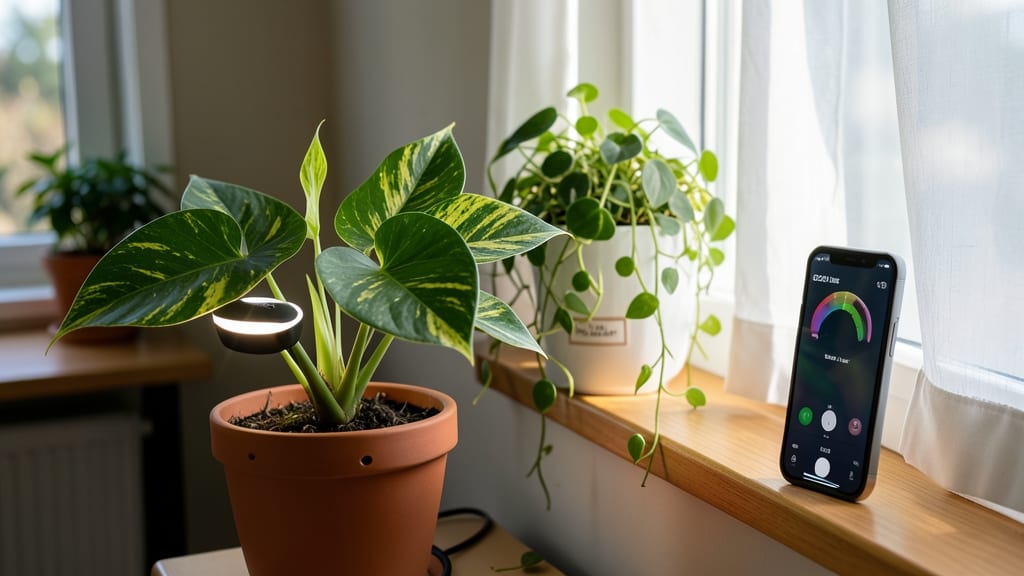
Optimal light requirements for arrowhead plant growth and variegation
The arrowhead plant (Syngonium podophyllum) thrives in bright indirect light, making it perfect for indoor spaces where direct sun would harm other plants. This light level—about 4-6 hours daily—keeps its leaves vibrant and prevents the dull green fading that signals insufficient light.
Without enough light, the plant stretches toward windows, a condition called etiolation, while too much causes leaf scorch and crispy edges.
Your arrowhead plant’s leaf variegation (those stunning white, pink, or red patterns) relies on balanced light. Low-light conditions dull the colors, turning them into plain green. Meanwhile, direct sunlight can bleach the leaves or burn them, ruining the plant’s natural beauty.
The key is mimicking the dappled shade of its native rainforest habitat.
In summer months, when sunlight is strongest, move your arrowhead plant 2-3 feet away from south-facing windows. East or west windows provide the ideal morning or afternoon light without harsh afternoon rays.
If you notice yellowing leaves or brown tips, it’s a sign of over-exposure—time to adjust its position.
During winter, when natural light dims, supplement with a 12-inch LED grow light for 6-8 hours daily. This prevents slow growth and leggy stems, ensuring your plant stays compact and healthy. Even low-light varieties like 'Pink Splash' benefit from extra light during shorter days.
Watch for these light-related stress signs: Pale, stretched leaves mean too little light, while crispy edges or bleached patches signal too much. Rotate your plant quarter-turns weekly to ensure even growth and prevent it from leaning toward one light source.
Seasonal adjustments are crucial. In spring and fall, your arrowhead can handle moderate indirect light near a north-facing window. But in summer’s peak sun, even filtered light can become too intense—use sheer curtains to diffuse harsh rays while maintaining brightness.
For outdoor placement, choose a spot under tree canopies or on a shaded patio. Avoid placing it where it gets midday sun, even for short periods. If you move your plant outdoors in summer, acclimate it gradually over 1-2 weeks to prevent sun shock.
| Light Condition | Effect on Arrowhead Plant | Solution |
|---|---|---|
| Bright Indirect Light (4-6 hrs) | Vibrant variegation, compact growth | East/west window, 2-3 ft away |
| Low Light (<4 hrs) | Leggy stems, dull green leaves | Add grow light (6-8 hrs/day) |
| Direct Sunlight | Brown tips, leaf scorch | Move to shaded area, use sheer curtains |
| Winter (Reduced Light) | Slow growth, faded variegation | Supplement with LED grow light |
If your arrowhead plant’s new leaves revert to green, it’s a clear sign of insufficient light. This is especially common in variegated varieties like 'White Butterfly' or 'Pink Heart'.
To fix it, relocate the plant to a brighter spot or increase artificial light exposure. Patience is key—it may take 4-6 weeks for the variegation to return once light conditions improve.
For outdoor enthusiasts, arrowhead plants can thrive in partial shade gardens during warm months. However, bring them indoors before temperatures drop below 60°F (15°C), as cold drafts and low humidity stress the plant.
A humidity tray with pebbles and water can help maintain ideal conditions if your home is dry.
Remember, the goal is consistency. Sudden changes in light exposure—like moving from a sunny patio to a dim corner—can shock your plant. Always transition gradually over 1-2 weeks to let it adjust.
With the right light balance, your arrowhead plant will reward you with lush, colorful foliage year-round. 🌿
How to position your arrowhead plant for maximum growth
Positioning your arrowhead plant correctly ensures it gets the bright indirect light it craves without risking leaf burn. Start by placing it near an east-facing window, where morning sun is gentle and 4-6 hours of light are ideal.
West-facing windows work too, but watch for afternoon heat—move it back 1-2 feet if leaves start yellowing.
South-facing windows can be tricky. Even with sheer curtains, direct rays may cause brown tips. Test placement by moving the plant 2-3 feet away and observing for 2 weeks.
If variegation stays vibrant, you’ve found the sweet spot. For north-facing windows, supplement with a 12-inch LED grow light 12 inches away for 6 hours daily.
- 🌱 East Window: Best for morning light (6-8 hrs). Ideal for variegated varieties like 'White Butterfly'.
- 🌿 West Window: Use with curtains to filter afternoon sun. Rotate plant weekly for even growth.
- ☀️ South Window: Only with sheer curtains or 3+ feet away. Watch for leaf bleaching.
- 💡 Artificial Light: LED grow lights (12") for 6-8 hrs/day in low-light spots. Place 12" above the plant.
- 🌳 Outdoor Placement: Partial shade under trees. Avoid midday sun—acclimate over 2 weeks.
If your arrowhead develops leggy stems or small leaves, it’s starving for light. Try moving it closer to a window or adding a reflective surface (like a white wall) to bounce light onto the plant.
For dark-leafed varieties like 'Silver Arrow', slightly lower light (3-4 hours) suffices, but variegated types need more to maintain their patterns.
Rotate your plant quarter-turns weekly to prevent it from leaning toward light sources. This ensures even growth and keeps leaves symmetrical. If you notice new leaves reverting to green, increase light exposure immediately—this is a classic sign of insufficient light in variegated types.
For outdoor summer displays, place your arrowhead under tree canopies or on a shaded patio. Avoid direct sun, even for short periods, as it causes leaf scorch. Bring it indoors before temperatures drop below 60°F (15°C) to protect it from cold drafts and low humidity.
Pro tip: Use a light meter app to check light levels (aim for 1,000-2,000 lux). If your home lacks natural light, a full-spectrum LED bulb (2700K-6500K) placed 18 inches away mimics ideal conditions. Adjust height as the plant grows to maintain consistent light exposure. 🪴