
Companion Plants
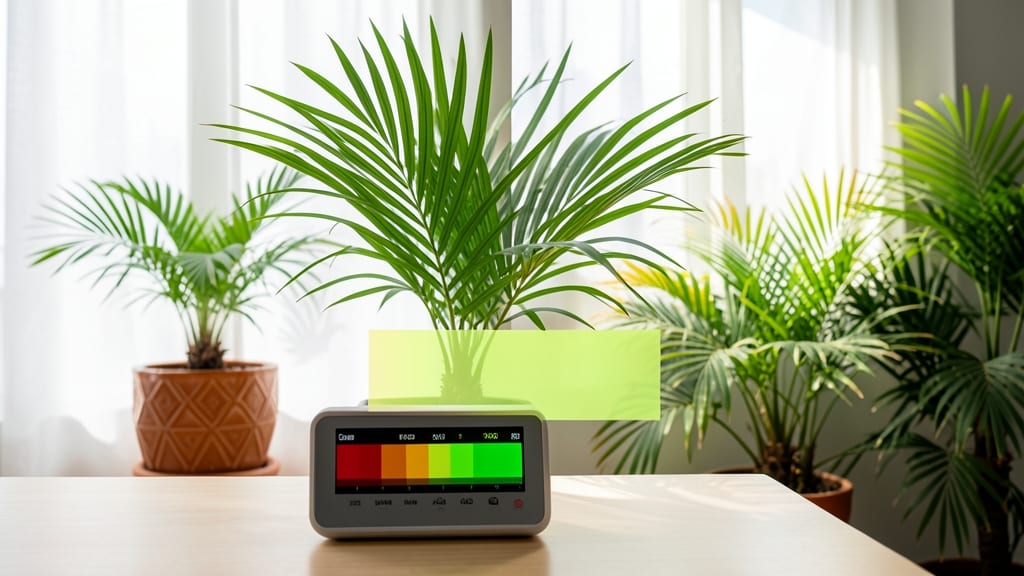
To keep your 🌴 palm plant thriving, you might be surprised to learn that light needs are the #1 factor most beginners overlook—yet getting it right could save your plant from slow decline.
Unlike hardy succulents, palms crave bright but filtered light, and too much direct sun can scorch those delicate fronds faster than you’d expect.
I’ve watched yellowing fronds and crispy leaf tips transform into lush, vibrant growth simply by adjusting light exposure.
Whether you’re dealing with a tropical indoor palm or a cold-hardy variety in Zone 6, understanding the balance between bright indirect light and harsh afternoon rays is the key to keeping your palm happy for years.
In this guide, I’ll break down exactly how many hours of light your palm needs—whether it’s basking near a south-facing window or thriving outdoors in partial shade—and how to spot the subtle signs when it’s getting too much (or too little). No more guessing games!
Let’s dive into the sunlight secrets that’ll have your palm reaching for the sky instead of wilting in frustration.

Ideal light requirements for palm plants by variety
Palm plants thrive under specific light conditions, but their needs vary dramatically by variety. While some tropical palms crave bright, indirect light, others can handle direct sun—if given the right balance. Understanding these differences is key to keeping your palm healthy and vibrant.
For example, Areca palms and Kentia palms prefer filtered light, while Majesty palms and Canary Island date palms can tolerate full sun exposure outdoors. Let’s break down the ideal light requirements for the most popular palm species to help you choose the perfect spot.
Indoor palms often struggle with low light conditions, especially in north-facing rooms where sunlight is limited. If your home lacks natural light, consider supplementing with grow lights to mimic the tropical environments these plants originate from.
Outdoor palms, on the other hand, may need protection from harsh afternoon sun, which can scorch delicate fronds. Always monitor your palm’s response to light—adjustments may be needed based on seasonal changes or your local climate.
Direct sunlight is ideal for outdoor palms like the Mexican Fan Palm or Pindo Palm, which can handle up to 6-8 hours of full sun daily. However, indoor palms like the Parlor Palm or Bamboo Palm should never be placed in direct sunlight, as this can cause leaf burn. The trick is finding the sweet spot where your palm gets enough light without stress. For most indoor palms, a south- or east-facing window provides the perfect balance of brightness and protection.
| Palm Variety | Indoor Light Needs | Outdoor Light Needs | Signs of Too Much Light | Signs of Too Little Light |
|---|---|---|---|---|
| Areca Palm | Bright, indirect light (east/west window) | Partial shade (morning sun, afternoon shade) | Brown leaf tips, crispy edges | Yellowing fronds, slow growth |
| Kentia Palm | Low to medium light (north window or filtered light) | Dappled shade (under trees) | Bleached leaf spots, dry patches | Pale new growth, leggy stems |
| Majesty Palm | Bright indirect light (south window with sheer curtain) | Full sun to partial shade | Scorched fronds, brown patches | Dark green streaks, weak stems |
| Parlor Palm | Low to medium light (avoid direct sun) | Partial shade (protected from wind) | Yellow leaf edges, brittle fronds | Slow growth rate, sparse fronds |
| Canary Island Date Palm | Not ideal indoors; needs outdoor placement | Full sun (6+ hours daily) | Leaf burn, blackened tips |
How to adjust light conditions for your palm’s healthAdjusting light conditions is the key to reviving a struggling palm. Most palms thrive with bright, indirect light, but some varieties—like the Majesty palm—can handle direct sunlight for a few hours daily. If your palm’s fronds are turning yellow or brown, it’s often a sign of light stress or deficiency. The good news? With a few simple adjustments, you can create the perfect light environment for your tropical friend. Start by observing your palm’s current location. If it’s placed in a north-facing window, it’s likely getting too little light, especially if the leaves look pale or sparse. On the flip side, a south-facing window or direct afternoon sun can scorch delicate fronds. The goal is to find that golden middle ground—enough light for photosynthesis without burning the leaves. For indoor palms, rotate the pot quarter-turns every few weeks to ensure even light exposure. This prevents one side from leaning toward the window while the other stays in the shade. If your home lacks natural light, consider supplementing with a grow light. LED grow lights are energy-efficient and mimic sunlight perfectly for palms that need 12-14 hours of light daily.
⚠️ Warning: Avoid These Light Mistakes!
Outdoor palms also need attention. If your palm is in a shady spot, try moving it to a location with dappled sunlight—like under a sheer curtain or near a lattice that filters light. For outdoor palms in hot climates, provide afternoon shade to prevent leaf scorch. Mulching around the base helps regulate soil temperature, which indirectly supports light absorption. Watch for new growth patterns after adjusting light. Healthy fronds should emerge bright green and upright. If you notice stunted growth or dark spots, it’s a sign the light is still off. Don’t hesitate to tweak the position again—palms are adaptable, and small changes can make a big difference over time. For large palms like the Canary Island date palm, outdoor placement is ideal. These hardy varieties can tolerate full sun, but younger plants benefit from partial shade during their first year. Always monitor the soil—well-draining, moist soil helps palms absorb light efficiently without stress. With the right light adjustments, your palm will reward you with lush, vibrant fronds and steady growth. Remember, consistency is key: once you find the sweet spot, stick with it unless you notice new signs of distress. Happy growing! 🌿 |