
Plants
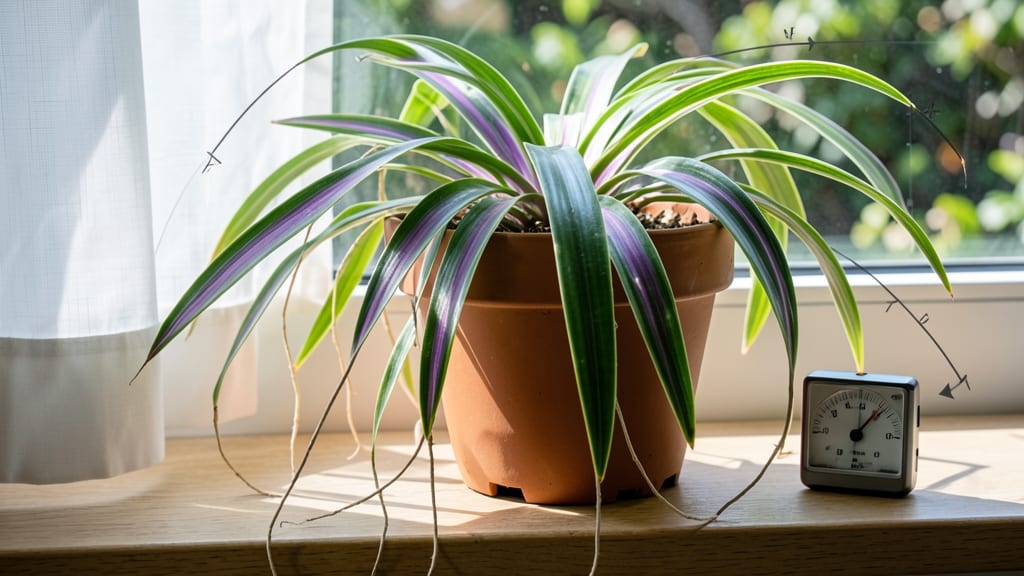
Want to know how much light does an inch plant need to grow thick, vibrant, and full of those signature purple stripes? The answer lies in getting the light just right—too little, and it stretches out like a sad noodle; too much, and those crispy brown tips ruin the look.
Most growers overthink it, but the secret is simple: bright indirect sunlight for about 4-6 hours a day. That east-facing window spot you’ve been eyeing? Perfect. Direct midday sun? A no-go. Let’s break down exactly how to nail this so your plant stays lush and happy.
You’ll also learn how to spot the subtle signs of light stress—yellowing leaves, leggy stems—and how to adjust before it’s too late. No more guessing games, just a foolproof formula for that ideal Inch Plant glow.
Whether you’re battling a dim apartment or a scorching summer sun, I’ve got the practical fixes to keep your plant thriving year-round. Ready to transform that struggling plant into a showstopper?

Optimal light requirements for inch plants: bright indirect sunlight explained
Your inch plant (Tradescantia sillamontana) thrives on bright indirect sunlight, making it perfect for east or north-facing windows. This delicate balance prevents sunburn while ensuring vibrant foliage. Without proper light, your plant may stretch toward windows or develop pale leaves—a classic sign of light deficiency.
Ideal light intensity for inch plants falls between 1,000-2,000 foot-candles, comparable to a well-lit office or a spot near a window with sheer curtains. Direct afternoon sun can scorch leaves, while too little light leads to leggy growth and weak stems.
Understanding these thresholds helps you create the perfect environment for lush, compact plants.
Seasonal adjustments are key: in summer, filter harsh rays with a sheer curtain, while winter may require supplemental light if natural sunlight dims. Even a few hours of morning sun can benefit your plant, but avoid placing it in south-facing windows where intense afternoon rays dominate.
Here’s how to visualize the perfect light setup for your inch plant:
| Light Condition | Ideal Duration | Signs of Imbalance |
|---|---|---|
| Bright Indirect Light | 4-6 hours daily | Vibrant purple-pink foliage, compact growth |
| Low Light (Under 1,000 fc) | Less than 4 hours | Leggy stems, pale green leaves, slow growth |
| Direct Sunlight (Afternoon) | More than 2 hours | Brown leaf tips, crispy edges, sunburn spots |
| East-Facing Window | Morning sun (6 AM-12 PM) | Best balance: gentle light without heat stress |
Position your inch plant 2-3 feet from an east-facing window for optimal results. This distance ensures it receives enough light without direct exposure to harsh afternoon rays. If your home lacks natural light, consider rotating the pot quarter-turns weekly to promote even growth and prevent lopsided development.
Watch for yellowing leaves or stretched stems—these are clear signals your plant needs more light. Conversely, brown leaf tips or wilting indicate too much direct sun. Adjusting your plant’s location based on these cues will keep it thriving year-round.
For indoor growers, a south-facing window with a sheer curtain can work, but monitor your plant closely. If leaves start curling or developing dark spots, move it back a few feet. The goal is to mimic the dappled light of its natural understory habitat in Central America.
In winter months, supplement natural light with a full-spectrum LED grow light placed 12-18 inches above the plant for 12-14 hours daily. This mimics longer daylight hours and prevents the plant from entering dormancy prematurely. Even a simple fluorescent bulb can help bridge the gap during shorter days.
Remember: inch plants are adaptable, but their foliage color is your best indicator of light success. Deep purples and pinks mean you’ve nailed the balance, while dull green leaves signal it’s time to adjust.
With the right light, your inch plant will reward you with lush, trailing vines and striking variegation.
How to provide perfect light when natural sunlight isn’t enough
If your inch plant isn’t getting enough natural light, don’t panic—supplemental lighting can save the day. Many indoor growers struggle with dim apartments or offices, but with the right setup, you can mimic ideal bright indirect light conditions.
The key is choosing the right grow lights and positioning them correctly to prevent light burn or stretched growth.
LED grow lights are the gold standard for inch plants because they’re energy-efficient and emit a full spectrum of light, including red and blue wavelengths that promote healthy foliage. A 10-20 watt LED bulb placed 12-18 inches above your plant will provide the 1,000-2,000 foot-candles your inch plant craves.
For larger setups, consider a grow light bar with adjustable height to accommodate your plant’s growth over time.
Fluorescent bulbs are a budget-friendly alternative, but opt for full-spectrum or cool white options to avoid skewing your plant’s color. These work well for smaller setups but may require closer placement (8-12 inches) to achieve the same intensity.
Remember to run your grow lights for 12-14 hours daily to mimic natural daylight cycles, especially during winter months when days are shorter.
Grow Light Options for Inch Plants
✅ LED Grow Lights
- Pros: Energy-efficient, full spectrum, long lifespan
- Pros: Adjustable intensity for seasonal changes
- Pros: Minimal heat output (safer for plants)
❌ Fluorescent Bulbs
- Cons: Less efficient than LEDs
- Cons: Requires closer placement (8-12 inches)
- Cons: Shorter lifespan (1-2 years)
⚠️ Common Mistakes to Avoid
- Placing lights too close (causes leaf burn)
- Using incandescent bulbs (produces too much heat)
- Forgetting to rotate plants (leads to lopsided growth)
Positioning is everything when using grow lights. Keep them 12-18 inches above your inch plant and adjust as it grows. For multiple plants, use a light reflector to distribute light evenly.
If you notice yellowing leaves or stretched stems, your plant may need more light intensity or a longer photoperiod. Conversely, brown leaf tips mean the light is too strong—move the fixture up or reduce the runtime.
DIY solutions work too! A simple clip-on LED bulb can provide enough light for a single plant, while a reflective aluminum tray under fluorescent bulbs can maximize light output. Just ensure the light source covers the plant’s canopy evenly—no dark spots allowed!
For larger setups, consider a grow light tent with adjustable height settings to create the perfect environment.
Rotate your inch plant quarter-turns weekly to ensure all sides receive equal light exposure. This prevents lopsided growth and keeps those purple-pink stripes vibrant. Pair this with your grow light setup, and you’ll have a thriving inch plant even in the dimmest corners.
The key is consistency—your plant will thank you with compact, colorful growth all year round.