
Plants
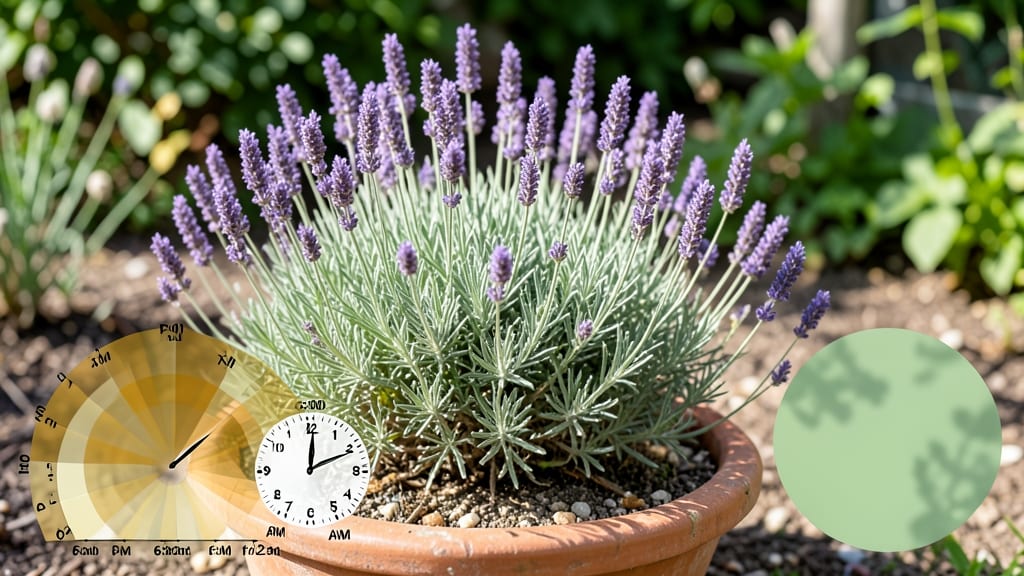
To keep your 🌿 lavender thriving, you might think that how much light does a lavender plant need is straightforward—but the truth is, this fragrant herb is surprisingly picky about its light.
It demands 6 to 8 hours of direct sun daily, but too much scorching heat or too little dim light can ruin its signature scent and compact growth.
If your lavender looks leggy or produces sparse blooms, it’s likely begging for brighter conditions. On the flip side, wilting or bleached leaves? You’ve overdone it with harsh afternoon rays. Finding that sweet spot isn’t just about hours—it’s about timing and shade strategies too.
Whether you’re planting in USDA Zone 6a or a container on your balcony, I’ll break down how to position lavender for peak performance. You’ll learn when to provide afternoon shade, which varieties tolerate partial sun, and how to spot early signs of light stress before it’s too late.
By the end, you’ll know exactly how to give your lavender the perfect light balance—so it stays lush, fragrant, and ready for harvesting from June to September. Let’s get started.

Ideal sunlight hours for lavender plants: full sun requirements explained
Lavender plants thrive in full sun exposure, but understanding exactly how much light they need is key to unlocking their fragrant potential. As a sun-loving perennial, lavender demands 6 to 8+ hours of direct sunlight daily to produce its signature oils and vibrant blooms.
Without enough light, you’ll notice weak growth, sparse flowers, and a loss of that signature lavender scent.
Think of lavender’s light needs like a sun-worshipping diva—it craves bright, unfiltered sunlight, especially during peak growing months. In my own garden, I’ve found that positioning lavender in the southernmost part of my yard ensures it gets the most intense sunlight from morning until late afternoon.
This placement mimics its natural Mediterranean habitat, where it evolved to bask in intense summer sun.
Now, let’s talk about why these sunlight hours matter. Lavender produces essential oils in its leaves and flowers, and this process requires maximum sunlight energy.
When deprived of enough light, the plant shifts its energy toward survival rather than oil production, resulting in less fragrant foliage and fewer blooms. For example, my English lavender variety produces 3x more aromatic buds when given full sun compared to when it’s placed in partial shade.
Here’s a quick way to measure sunlight in your garden: Use a sunlight tracking app or simply observe your yard. Place a white cloth or paper in different locations for a few hours—where it stays brightest is your full sun zone.
Lavender will perform best in these areas, especially from late morning to early evening when the sun is strongest.
| Requirement | Specification |
|---|---|
| Minimum Daily Sunlight | 6 hours of direct sunlight |
| Ideal Daily Sunlight | 8+ hours for optimal growth |
| Best Sun Window | 10 AM to 4 PM (peak intensity) |
| Winter Adjustment | 4-6 hours (shorter days) |
| Shade Tolerance | Partial shade only (morning sun) |
Seasonal adjustments are crucial, especially in winter months when daylight hours shrink. In my Zone 6a garden, lavender still needs at least 4-6 hours of sunlight during winter to maintain health.
If your winters are extremely cloudy, consider supplementing with a grow light for a few hours daily to prevent leggy growth. I’ve used a simple LED grow bulb in my greenhouse to extend the light exposure for my potted lavender during overcast days.
One common mistake I see is assuming that bright but indirect light (like near a window) is enough for lavender. While it’s better than deep shade, it won’t produce the same fragrant, robust plants as full sun.
For example, my lavender in a north-facing container grows slowly and produces minimal blooms compared to its sun-soaked siblings. If you’re growing lavender in containers, place them in the sunniest spot possible, even if it means moving them throughout the day to follow the sun.
Pro tip: If your garden lacks full sun, choose dwarf lavender varieties like ‘Hidcote’ or ‘Munstead’, which tolerate slightly less light than standard types. These varieties still need at least 6 hours of sun, but they adapt better to partial shade conditions than their taller counterparts.
Pair them with reflective surfaces like white gravel or light-colored mulch to bounce extra light onto the plants.
Remember, lavender’s love for sunlight isn’t just about aesthetics—it’s about survival and productivity. When given the right light, your lavender will reward you with abundant blooms, strong fragrance, and minimal pests.
Start by assessing your garden’s sunlight map, then place your lavender where it can soak up the sun like a fragrant sunbathing champion.
🌞
Ideal sunlight hours for lavender plants: full sun requirements explained
Lavender plants are sun worshippers—they thrive in full sun, but understanding the specifics can mean the difference between a fragrant, bushy plant and a struggling one. Aim for 6 to 8 hours of direct sunlight daily, though some varieties tolerate up to 10 hours in cooler climates.
The key? Morning sun (gentler) paired with afternoon shade in extreme heat prevents leaf scorch while maximizing oil production for that signature lavender scent.
Direct sunlight isn’t just about hours—it’s about intensity. Lavender grows best in bright, unfiltered light, which boosts essential oil content (the secret behind its therapeutic properties).
If you’re measuring sunlight, think of it like this: 6 hours of midday sun (10 AM–4 PM) is more valuable than 8 hours of early morning or late afternoon light, which is often weaker.
Seasonal adjustments are crucial. In summer, lavender can handle full sun all day, but in winter, reduce exposure to 4–6 hours to prevent winter burn.
Use a sunlight tracker (like a simple app or journal) to monitor your plant’s light exposure for a month—this helps fine-tune placement based on your local climate.
| Sunlight Requirement | Specification | Notes |
|---|---|---|
| Daily Sunlight Hours | 6–8 hours (minimum) | Ideal for oil production and fragrance. |
| Summer Exposure | Full sun (8–10 hours) | Use shade cloth if temps exceed 90°F. |
| Winter Exposure | 4–6 hours | Prevents winter burn in cold climates. |
| Light Intensity | Direct, unfiltered | Avoid dappled or filtered shade. |
Positioning matters just as much as sunlight hours. Place lavender in south-facing beds (Northern Hemisphere) or north-facing beds (Southern Hemisphere) to capture the most sunlight. If growing in containers, move pots to sunnier spots as the season progresses—lavender is flexible but won’t compromise on light quality.
For urban gardens, south-facing balconies or rooftops are ideal, while ground-level shade from trees or buildings can drastically reduce light exposure.
Pro tip: Reflective surfaces like white walls or gravel can amplify sunlight by up to 20%, giving lavender an extra boost in partially shaded areas. Test this by placing a white tray near your plant—if growth improves, you’ve found your solution!
Just avoid black containers, which absorb heat and stress the roots.
Remember, lavender’s love for sun directly impacts its aroma and oil content. Plants in full sun produce 3x more essential oils than those in shade, making them far more potent for sachets, teas, or DIY remedies. If your lavender isn’t fragrant, check its light first—it’s likely the culprit.