
Plants
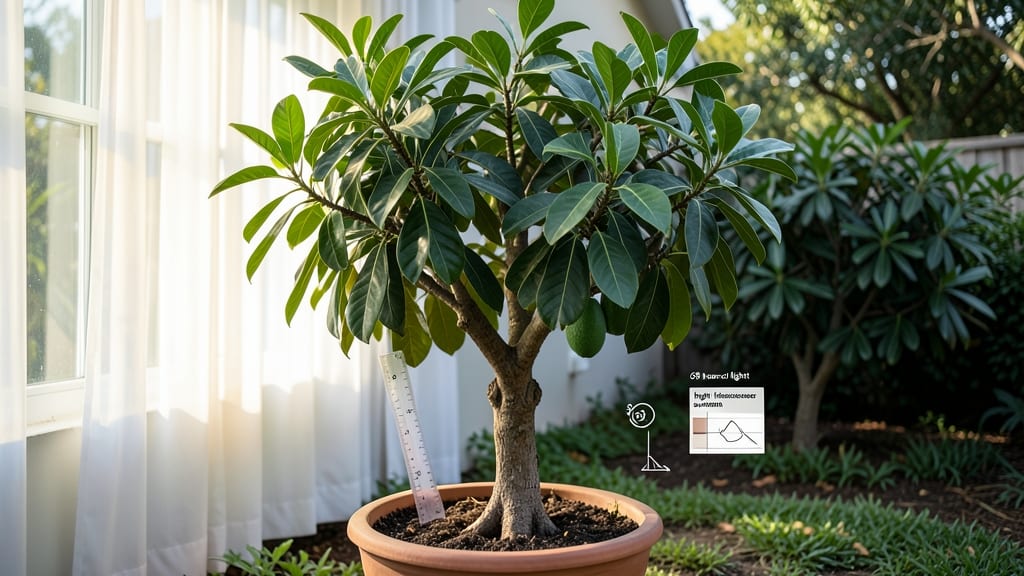
If your 🥑 avocado plant keeps struggling despite all your efforts, you’re probably missing the most critical factor: how much light does an avocado plant need.
Too little leaves it weak and leggy, while too much can scorch its delicate leaves—yet most gardeners guess wrong about how much their plants truly need to thrive.
Avocados are sun-lovers, but their light needs change as they grow. A seedling might handle bright indirect light, while a mature tree demands 6-8+ hours of direct sunlight daily to produce fruit.
The good news? With the right setup—whether indoors near a south-facing window or outdoors in full sun—you can give your plant exactly what it craves.
I’ll break down exactly how to spot light issues (like yellowing leaves or slow growth) and how to fix them, whether you’re dealing with a tiny kitchen plant or a backyard tree. Let’s get your avocado growing strong and healthy.
Ready to transform your struggling plant into a thriving one? The secret starts with understanding—and adjusting—its light exposure. You’ve got this!

Optimal light requirements for avocado plants: indoor vs outdoor exposure breakdown
Avocado plants are sun worshippers—they crave bright, direct light to grow strong and produce fruit. In their native tropical climates, they bask under 6-8+ hours of intense sunlight daily. Without enough light, your plant will struggle, showing signs like yellowing leaves or stunted growth.
Let’s break down exactly how much light your avocado plant needs, whether you're growing it indoors or outdoors.
Outdoor avocado plants thrive in full sun conditions, meaning they should receive at least 6 hours of direct sunlight per day. In warmer climates (USDA zones 9-11), they can handle 8-10 hours of sun without issues.
However, in cooler regions, afternoon shade can protect young plants from leaf scorch during peak heat. For indoor avocado plants, the challenge is finding an equivalent light source since most homes lack natural sunlight intensity.
Here’s the key difference: Outdoor avocado plants get natural sunlight intensity, while indoor plants often rely on filtered or artificial light. A south-facing window provides the closest match to outdoor conditions, but even then, the light is less intense than direct sunlight.
Without proper light, your indoor avocado may grow tall and leggy with sparse leaves—a classic sign of light deprivation.
🌱 Avocado Light Requirements Comparison
| Growth Stage | Outdoor Light Needs | Indoor Light Needs | Signs of Stress |
|---|---|---|---|
| Seedling | 4-6 hours bright light | South-facing window + grow light | Leggy growth, pale leaves |
| Mature Plant | 6-8+ hours full sun | Grow light 12-14 hours/day | Yellowing leaves, slow growth |
| Fruiting Stage | 8+ hours full sun | Not recommended (needs outdoor conditions) | No fruit production, weak branches |
💡 Pro Tip: Rotate your indoor avocado plant weekly to ensure even light exposure on all sides.
If you’re growing your avocado outdoors, morning sun is ideal—it’s less intense than afternoon rays, which can scorch leaves in hot climates. For indoor plants, place them near the brightest window (south-facing is best in the Northern Hemisphere).
If natural light is insufficient, supplement with a grow light to mimic sunlight intensity. LED grow lights are energy-efficient and can provide the full-spectrum light avocado plants crave.
One common mistake is assuming bright light equals full sun. A north-facing window, for example, provides indirect, diffused light, which won’t support healthy growth. Your avocado plant will stretch toward the light, becoming weak and spindly.
To fix this, move the plant closer to the window or add a reflective surface (like a white wall or mirror) to bounce more light onto the leaves.
For outdoor avocado plants, afternoon shade is beneficial in hot climates to prevent leaf burn. However, even with shade, ensure they still get at least 4-6 hours of direct sunlight daily. In cooler climates, avocados can tolerate partial shade but may not fruit as heavily.
If you’re in a USDA zone below 9, consider growing your avocado in a container and moving it outdoors during the summer months.
Pay attention to leaf color and texture—these are your best indicators of light health. Dark green, glossy leaves mean your plant is happy, while yellowing or crispy edges signal too much sun or pale, sparse leaves mean it’s not getting enough.
Adjust the light exposure gradually to avoid shocking the plant, especially if it’s been in low-light conditions for a while.
Remember, avocado plants are tropical trees at heart—they thrive in warmth and bright light. Whether you’re growing one indoors as a houseplant or outdoors in your garden, prioritize light exposure above all else.
With the right amount of sunlight, your avocado plant will reward you with lush foliage and even fruit in time. 🌿
Signs your avocado plant has too much or too little light (and how to fix it)
Your avocado plant’s leaves tell a story about its light health—pay close attention to these visual cues. Too little light causes etiolation, where stems stretch desperately toward any available light, while too much sun leads to leaf burn.
I’ve seen both extremes in my own avocado collection, and the fixes are surprisingly simple once you know what to look for.
Start by checking your plant’s leaf color and shape. Healthy avocado leaves are dark green and glossy with a firm texture. If you notice pale yellow or white leaves, your plant isn’t getting enough light—this is classic light deprivation.
The leaves may also appear small and sparse, with long spaces between them as the plant stretches toward the nearest light source.
On the opposite end, brown or crispy leaf edges signal sunburn from too much direct sunlight. You might also see bleached or white patches on leaves exposed to harsh afternoon sun. These signs are your plant’s way of saying, “I’m getting too much heat—please give me some relief!”
In extreme cases, entire leaves may curl or wilt, especially in hot climates.
🌱 Key Takeaways: Light Stress Symptoms & Fixes
⚠️ Too Little Light
- ✅ Leggy growth (stems stretch toward light)
- ✅ Pale yellow leaves (chlorosis)
- ✅ Small, sparse leaves (reduced photosynthesis)
💡 Fix: Move to brighter light (south window) or add a grow light.
⚠️ Too Much Light
- ✅ Brown/crispy leaf edges (sunburn)
- ✅ White/yellow patches (bleaching)
- ✅ Curled or wilted leaves (heat stress)
💡 Fix: Provide afternoon shade or move to indirect light.
For indoor avocado plants, I recommend a simple DIY light test to diagnose the issue. Place your plant in a south-facing window for a full day and observe. If the leaves brighten within 24 hours, it was light-starved.
If they develop brown spots, it’s getting too much direct sun. Adjust the distance from the window—3-6 feet away is ideal for most indoor setups.
Outdoor avocado plants need a different approach. If your plant shows signs of leaf scorch in the afternoon, provide partial shade using a sheer curtain or dappled shade cloth. For light deprivation outdoors, consider relocating to a sunnier spot or pruning nearby trees that might be blocking light.
Remember, avocados need at least 6 hours of direct sun daily, so even partial shade should still allow for morning sunlight exposure.
One of my biggest mistakes was assuming my east-facing window provided enough light for my indoor avocado. While morning sun is great, the intensity drops by afternoon, leaving my plant with insufficient light overall. The fix?
I supplemented with a 12-hour LED grow light in the evenings, which made all the difference. If you’re in a similar situation, try this light schedule: 6 hours of natural light + 6 hours of grow light to mimic a full sun day.
Finally, don’t forget to rotate your plant weekly. Avocados grow toward the light, which can cause uneven growth if one side gets more exposure. A simple quarter-turn every 7 days ensures all sides get equal light, preventing lopsided or weak growth.
With these adjustments, your avocado plant will show you its gratitude with vibrant, healthy leaves and—if you’re lucky—even fruit! 🌿