
Plants
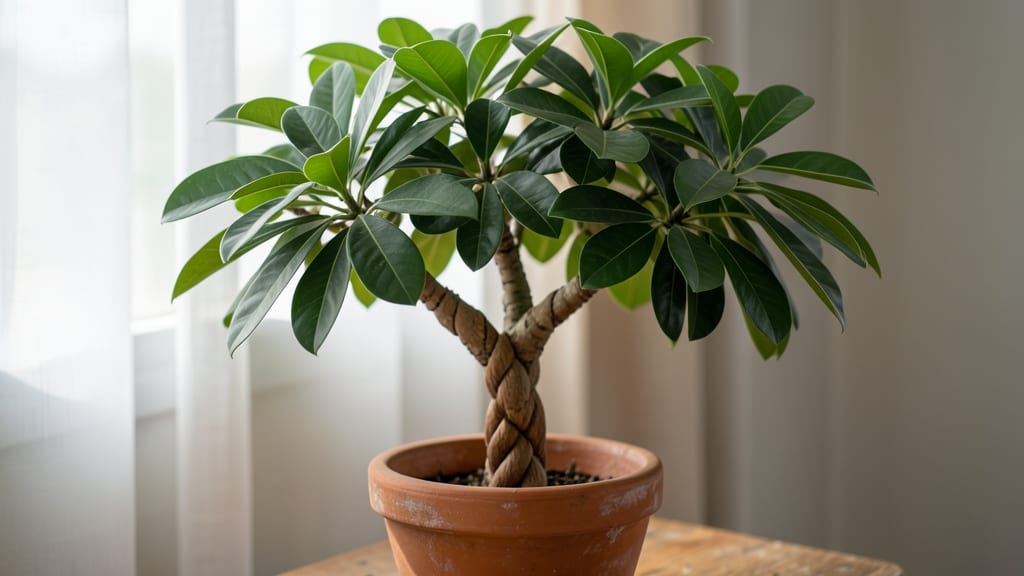
Want to know how much light does a money tree plant need to thrive instead of stretching like a desperate sunflower? The right light conditions are the game-changer between a lush, healthy houseplant and a sad, leggy shadow of its potential.
Most people assume these tropical plants can handle dim corners, but here’s the truth: your money tree actually craves bright, indirect light—think of it as a golden retriever that needs plenty of sunshine but will burn if left in direct midday rays.
Too little light, and you’ll notice those telltale signs like pale leaves or stems that look like they’re auditioning for a giraffe.
Don’t worry if your home lacks natural light—we’ll cover how to mimic those perfect conditions, whether it’s repositioning near a north-facing window or using grow lights without breaking the bank. Let’s get your money tree 💰 growing like the healthy, happy plant it deserves to be.
You’ll discover exactly how much light your money tree needs, spot the warning signs of over- or under-lighting, and learn simple fixes to keep those glossy leaves shining. Ready to transform your plant care game?


Ideal light requirements for a healthy money tree plant
Your money tree (Pachira aquatica) thrives in bright indirect light, making it perfect for east- or north-facing windows. Direct sun can scorch its leaves, while too little light leads to weak, stretched growth. The key is mimicking its natural tropical habitat—dappled sunlight under a canopy.
For optimal growth, place your money tree within 2-3 feet of a window where it gets 4-6 hours of filtered light daily. South-facing windows work in winter (when sun is weaker), but always use a sheer curtain to diffuse harsh rays.
Avoid deep shadows or dark corners—these cause etiolation (leggy stems with sparse leaves).
Seasonal adjustments matter! In spring and summer, your money tree can handle slightly more light, but always shield it from midday sun (10 AM–2 PM). During fall and winter, supplement with a grow light if natural light drops below 2 hours daily.
Even tropical plants like this one need a 12-hour light cycle to stay healthy.
🌱
To test your money tree’s light conditions, observe its leaves for 3-5 days. Healthy foliage should be deep green and glossy. If you notice pale yellow leaves, it’s craving more light.
Conversely, dark brown patches mean it’s getting too much direct sun. Rotate your plant quarter-turns weekly to ensure even growth—money trees grow toward light sources, which can cause lopsided shapes.
Pro tip: If your home lacks natural light, a south-facing window with a sheer curtain is the next best option. Place your money tree 3-4 feet away to filter the sun’s intensity while still providing enough brightness. For offices or basements, LED grow lights (6000K-6500K) are the most energy-efficient solution.
Remember, consistency is key. Money trees adapt slowly to light changes, so avoid moving them frequently. If you must relocate, do it gradually over 1-2 weeks to prevent shock. Pair proper lighting with moderate humidity (40-60%) and well-draining soil to create the perfect tropical environment for your plant.
☀️
Signs your money tree isn’t getting enough light (and how to fix it)
Your money tree (Pachira aquatica) sends clear signals when it’s light-deprived. Watch for pale yellow leaves or stretched, leggy stems—these are classic signs of etiolation, where the plant stretches toward any available light.
Even worse, leaves may drop prematurely or develop small, sparse foliage clusters. These issues often appear within 2-4 weeks of insufficient light exposure.
Another red flag? Brown leaf tips or crispy edges can actually indicate too much direct sun, but if paired with weak, wilted growth, it may mean your plant is struggling to photosynthesize due to poor lighting.
Check the underside of leaves—if they’re dusty or pale, your money tree isn’t getting enough light to stay vibrant. 🌿
Leggy growth (stems >12" between leaves) means your money tree is starving for light. Without intervention, it’ll become top-heavy and unstable, risking falls. Yellowing leaves can also signal nutrient deficiencies caused by poor light absorption. Act now to prevent permanent damage!
To diagnose light issues, perform a simple test: Place your hand near the plant’s leaves during the day. If you feel minimal warmth (indicating weak light), it’s time to move your money tree.
For east-facing windows, aim for within 2 feet—this provides morning sun without harsh afternoon rays. West-facing windows require 3+ feet of distance to avoid sunburn.
If your home lacks natural light, rotate your plant weekly to prevent lopsided growth. Even a 15-minute daily turn helps distribute light evenly. For basements or offices, place your money tree within 3 feet of a fluorescent light fixture (40W+).
Pair this with a humidifier—low light often correlates with dry indoor air, which stresses tropical plants like yours.
Pro tip: Use a reflective surface, like a white or silver tray, under your plant’s pot. This bounces 20-30% more light onto the leaves, mimicking the dappled sunlight of its native habitat.
For severe light deprivation, invest in a 10W LED grow bulb (6500K color temp) placed 12 inches above the plant for 12 hours daily. 💡
Remember, recovery takes time. If your money tree is already leggy, prune back 1/3 of the longest stems to encourage bushier growth. Reduce watering slightly during this adjustment period—stressed plants (from light or pruning) need less frequent watering to recover.
With the right light fix, your money tree can bounce back within 4-8 weeks!