
Plants
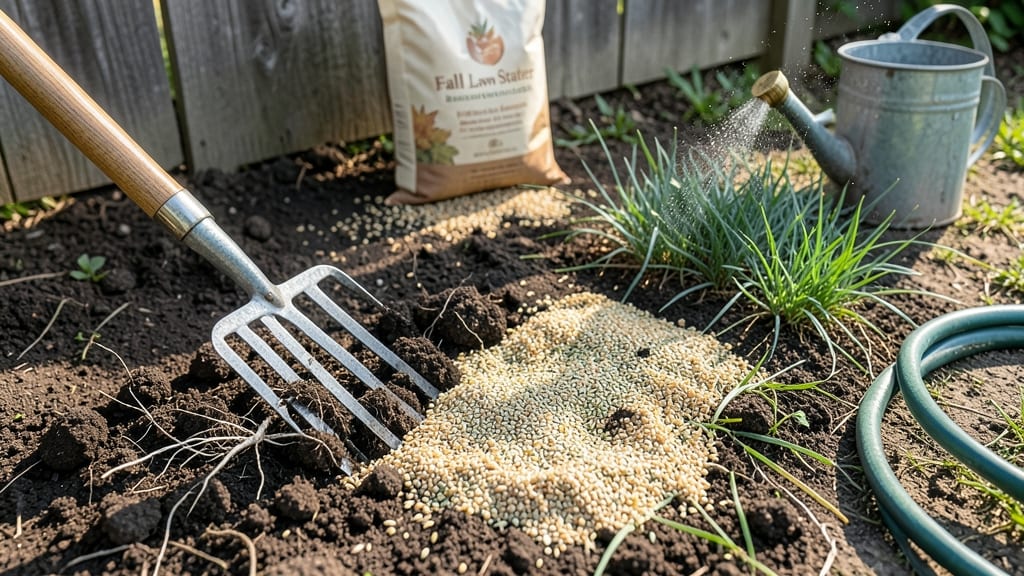
Timing your fall grass seed planting just right can transform your lawn from a patchy mess into a vibrant carpet by next spring—but most people plant too early or too late.
Cool-season grasses like fescue and ryegrass need that 4-6 week window before frost to establish strong roots, and missing it means weaker growth or wasted seed.
If you're in USDA Zone 6a (like much of the Midwest), late August through early October is your sweet spot. But what if you're in a warmer southern region? The rules shift—plant too soon, and your seeds rot; too late, and they won’t survive winter.
I’ll break down the exact timing for your area and the critical signs to watch for.
Beyond dates, soil prep and post-planting care make all the difference. We’re talking aeration, watering schedules, and even frost protection tricks to keep your 🌱 thriving. Let’s dive into how to get it right the first time.
Ready to skip the guesswork? You’ll walk away knowing exactly when to plant, what to do before and after, and how to avoid the most common mistakes—so your lawn starts strong and stays that way for years.
Optimal fall planting windows for cool-season grass by region and climate
Cool-season grasses like Kentucky bluegrass, tall fescue, and ryegrass rely on fall planting to establish deep roots before winter. The ideal window is 4-6 weeks before your first frost date, but this varies dramatically by region.
Planting too early risks seed rot in warm soil, while planting too late leaves roots vulnerable to winter stress.
In the Northern U.S. (USDA Zones 3-5), aim for late August to mid-September. Cooler soil temperatures (50–60°F) and shorter days signal seeds to germinate without overheating.
Southern regions (Zones 6-8) can extend planting until early October, but avoid planting after mid-October when nights grow too cold for root growth.
Transitional zones (Zones 5b-7a) face the biggest challenges—hot summers and unpredictable frosts. Here, late August to early September is safest, with a backup window in early October if summer drought delayed prep work. Always check your local frost dates (USDA Plant Hardiness Map) and adjust accordingly.
| Region | USDA Zones | Best Planting Window | Soil Temp Goal (°F) | Key Risks |
|---|---|---|---|---|
| Northern U.S. | 3–5 | Late August–Mid-September | 50–60°F | Early frost, slow germination |
| Transitional Zones | 5b–7a | Late August–Early October | 55–65°F | Late summer drought, unpredictable frost |
| Southern U.S. | 6–8 | Early September–Early October | 60–70°F | Overheating, fungal growth |
| Mountainous Areas | 4–7 | Mid-August–Late September | 45–55°F | Cold nights, poor soil drainage |
For mountainous regions, adjust planting 2 weeks earlier than lowland areas—cooler microclimates mean frost arrives sooner. Test your soil temperature with a soil thermometer (ideal range: 50–65°F). If temps exceed 70°F, seeds may rot before germinating.
Pro tip: Use a fall lawn calculator (like those from your state’s extension service) to input your zip code and get a personalized planting date. These tools factor in local weather patterns, like the 10-year average frost date, to refine timing for your specific yard.
If you’re in a drought-prone area, prioritize planting in September when rainfall increases. In wet climates, avoid planting after mid-October—excess moisture can lead to fungal diseases like brown patch or dollar spot. Always rake seeds into 1/4-inch of soil to ensure contact with moist, cool earth.
Timing isn’t just about dates—it’s about soil conditions. Aim for 4–6 weeks of warm days and cool nights after planting to let roots establish before winter dormancy. This means no more than 20–30°F nights by late fall.
Missed the window? Don’t panic. You can still plant until 6 weeks before frost, but expect slower growth. Use a winterizer fertilizer (high in potassium) to toughen seedlings for cold snaps.
Just remember: spring planting of cool-season grass is a gamble—seeds compete with weeds and struggle to outpace summer heat.
🌱
5 Critical signs your fall grass seed planting timing is perfect (or too late)
Timing your grass seed planting in the fall is an art—too early, and seeds rot; too late, and roots won’t establish before winter. Here’s how to spot the ideal window for cool-season grasses like Kentucky bluegrass or tall fescue.
First, check your soil temperature. The sweet spot is 40–60°F—any warmer, and seeds may germinate too quickly, stressing young plants. Use a soil thermometer to confirm before planting.
Next, look for consistent rainfall or plan to water deeply. Grass seeds need 1–1.5 inches of moisture weekly to germinate. If your area is drought-prone, adjust your planting date to avoid dry spells.
🌱 5 Signs Your Timing Is Perfect
- 🌡️ Soil temp sits at 50–60°F (ideal for germination).
- 🌧️ Rainfall is forecasted for 1–2 weeks post-planting.
- 📅 First frost is 6+ weeks away (roots need time to grow).
- 🌿 Weeds are dormant or minimal (competition is low).
- ☀️ Daytime temps are cool but stable (no heatwaves).
If you’re planting too late, watch for thin, weak seedlings or frost damage before roots establish. Adjust by choosing a hardier grass variety (like perennial ryegrass) if your window is tight.
Pro tip: Use a seed germination calculator for your region to pinpoint the last safe date. Most cool-season grasses need 4–6 weeks of growth before winter dormancy.
Missed the window? Don’t panic—early spring is your backup. Just avoid planting when soil is frozen or waterlogged, or seeds will fail to sprout.