
Plants
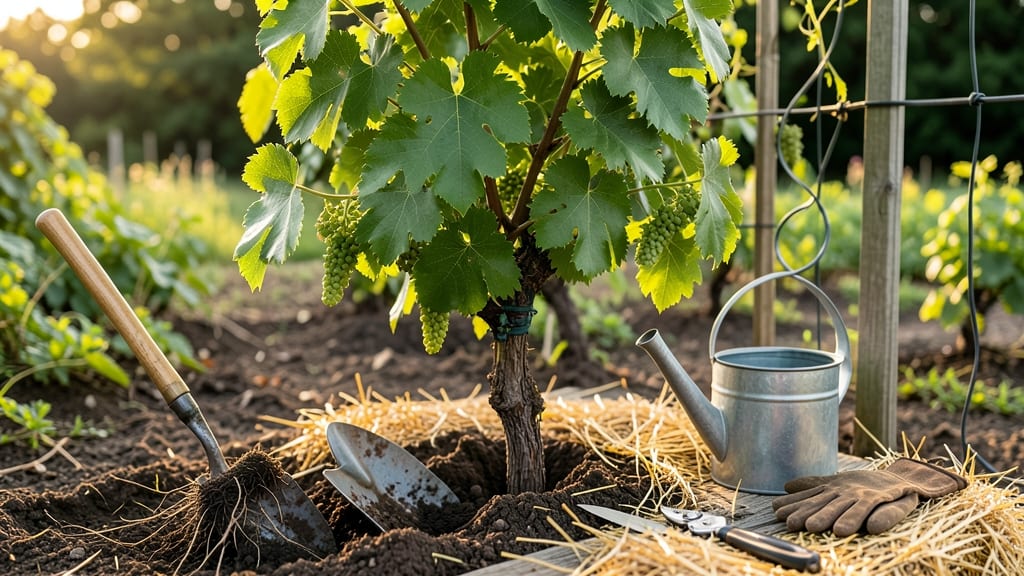
Planting grapes in North Carolina at the wrong time can mean the difference between a thriving vineyard and a frost-killed crop—especially when you're dealing with 6b-8a zones that vary wildly from the Mountains to the Coastal Plain.
I’ve learned the hard way that timing isn’t just about the calendar—it’s about understanding your local frost dates, soil conditions, and even the type of grapes you’re growing.
Whether you’re planting bare-root vines in late winter or container grapes in fall, getting it right ensures stronger roots, better yields, and fewer headaches when harvest rolls around.
In this guide, I’ll break down the best months to plant based on your region, how to prep your soil for success, and why some varieties thrive in spring while others need fall’s cooler temperatures. Let’s make sure your 🍇 vines get off to the right start.
You’ll also discover how to avoid common mistakes—like planting too early in frost-prone valleys—that could leave your vines struggling. Ready to set your grapes up for a bountiful harvest? Let’s dive in.
North Carolina’s frost-free heat zones: best planting months by region
North Carolina’s diverse climate zones—ranging from USDA Zone 5b in the Mountains to Zone 8a along the Coastal Plain—create unique planting windows for grapes. Understanding your zone helps you avoid late spring frosts that can devastate young vines while maximizing the 180-240 frost-free days NC offers.
For Mountain regions (Zones 5b-6a), like Asheville, plant bare-root vines in late March to early April after the last frost (typically March 15).
In the Piedmont (Zones 6b-7a), such as Raleigh, aim for February to early March to give vines time to establish roots before summer heat arrives.
The Coastal Plain (Zones 7b-8a), including Wilmington, enjoys longer growing seasons. Here, January to February planting works best, allowing vines to mature before October’s first frost. Fall planting (September-October) is also ideal for container-grown vines in all zones, giving them time to root before winter dormancy.
🌱 Pro Tip: Check your local Cooperative Extension Service for precise frost dates—even within zones, microclimates vary by elevation and proximity to water bodies.
| Region | USDA Zone | Best Planting Window | Key Varieties |
|---|---|---|---|
| Mountains | 5b-6a | Late March–Early April | Norton, Concord, Muscadine |
| Piedmont | 6b-7a | February–Early March | Cabernet Franc, Chardonnay, Catawba |
| Coastal Plain | 7b-8a | January–February | Merlot, Sauvignon Blanc, Scuppernong |
| All Regions (Fall) | September–October | Container vines only | Any cold-hardy variety |
In Zone 5b, like the highest elevations of the Blue Ridge Mountains, Norton grapes thrive due to their cold-hardiness. Plant these after April 15 to avoid frost damage to emerging shoots.
Meanwhile, Muscadine grapes, native to NC, handle Zone 7a’s heat and can even be planted in late winter if using rootstocks for added resilience.
For Vitis vinifera varieties like Cabernet Sauvignon, stick to Zones 7b and warmer. These heat-loving vines need full sun exposure and benefit from late winter planting to establish roots before summer’s intensity.
In Zone 8a, like the Outer Banks, you can even push planting to early December for container vines.
Always amend soil with compost and sand to improve drainage—waterlogged roots are a common killer in NC’s heavy clay soils. Test your soil’s pH (5.5–6.5 ideal) before planting, as grapes are sensitive to alkaline conditions.
💧 Watering Tip: After planting, keep soil consistently moist (not soggy) for the first 60 days to encourage root growth. Mulch with wood chips to retain moisture and suppress weeds.
How to choose the right grape variety for NC’s planting timeline
Selecting the right grape variety for North Carolina’s diverse climate zones is the first step to a successful harvest.
The USDA zones in NC range from 5b in the Mountains to 8a along the Coastal Plain, and each zone supports different varieties with unique cold hardiness and heat tolerance needs.
For Zone 5b (Mountains), cold-hardy varieties like Norton (Cynthiana) or Concord thrive, as they can withstand sub-zero temperatures and shorter growing seasons. These varieties should be planted in late winter (February-March) to ensure roots establish before the last frost, typically around March 15 in this region.
| Variety | USDA Zone | Best Planting Time | Notes |
|---|---|---|---|
| Norton (Cynthiana) | 5b-7a | Late winter (Feb-Mar) | Cold-hardy, disease-resistant |
| Muscadine | 7b-9a | Fall (Sep-Oct) or early spring | Heat-tolerant, native to NC |
| Cabernet Sauvignon | 7a-8a | Early spring (Mar-Apr) | Heat-loving, needs long season |
| Scuppernong | 7b-8b | Fall (Sep-Oct) | Sweet, thrives in Coastal Plain |
In Zones 7a-8a (Piedmont and Coastal Plain), varieties like Cabernet Sauvignon or Merlot perform exceptionally well. These Vitis vinifera grapes need a longer growing season and should be planted in early spring (March-April) to take full advantage of NC’s 240+ frost-free days.
For Muscadine grapes, native to NC, fall planting (September-October) is ideal. These varieties are heat-tolerant and thrive in the Coastal Plain’s humidity, making them perfect for Zones 7b-9a. Their thick skins protect against pests, and their dormancy cycle aligns well with NC’s mild winters.
If you’re in a transition zone (6b-7a), like the Foothills region, consider hybrid varieties such as Chambourcin or Traminette. These offer a balance of cold hardiness and heat tolerance, allowing you to plant in either late winter or early fall, depending on your microclimate.
Always check the last frost date for your specific area—planting too early in frost-prone valleys (like the Blue Ridge Mountains) can stunt growth, while planting too late in Zone 8a may reduce yield due to shorter daylight hours.
Adjust your schedule based on soil temperature (aim for 60°F or warmer