
Plants
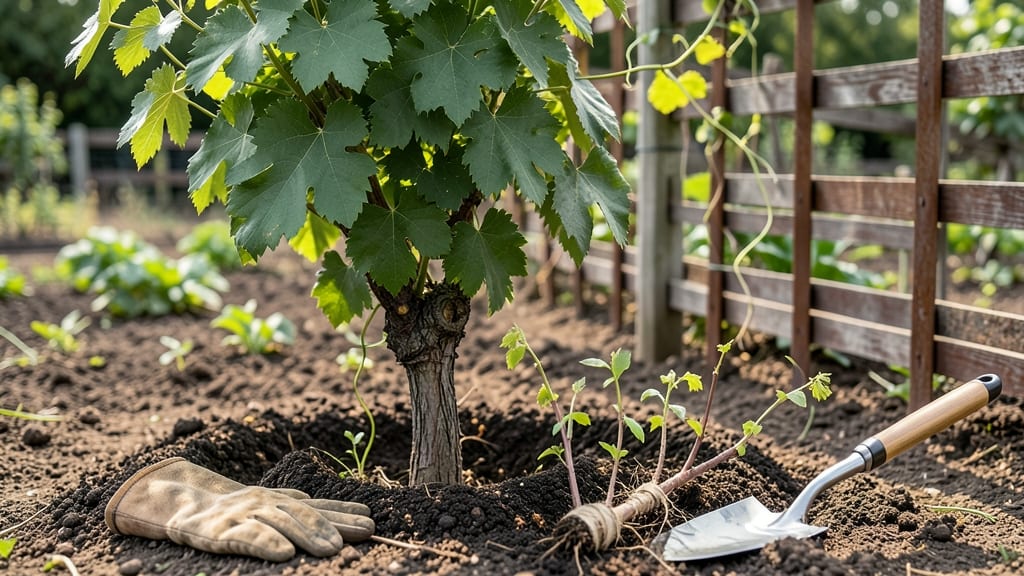
Planting grapes in Georgia at the wrong time could mean the difference between a thriving 🍇 vineyard and a frost-killed disappointment. The state’s diverse climate—from the Coastal Plain to the Mountains—demands precision, and missing those narrow windows can set your vines back for years.
I’ve seen gardeners in 7a-8b zones rush planting too early, only to watch their tender roots freeze in late-spring frosts. Or worse, delay too long, and their vines struggle to establish before summer’s brutal heat.
The key? Timing your late winter to early spring or fall planting to match your microclimate—and I’ll show you exactly how.
Whether you’re working with bare-root vines or container-grown plants, this guide cuts through the guesswork. You’ll learn the exact heat zone deadlines for zero-frost survival, soil prep secrets, and how to pick varieties that match your region’s frost-free days.
No more second-guessing—just a clear roadmap to planting grapes that grow strong.
Let’s get started with the two best windows for Georgia growers, plus the critical checklist to avoid common pitfalls that derail even the most eager gardeners.
Georgia’s grape planting zones: when to plant by heat zone (7a-9b)
Georgia’s diverse climate—from the humid Coastal Plain to the cooler Piedmont and mountainous regions—means planting grapes at the wrong time can spell disaster. The key is aligning your planting window with your USDA heat zone and last frost dates.
In Georgia, zones 7a-9b dominate, with Coastal Plain areas (like Savannah) often in 8a-9a, while the Piedmont (Athens, Macon) falls into 7b-8a. Timing isn’t just about the calendar—it’s about soil temperature, frost risk, and giving vines enough time to establish roots before summer heat hits.
For bare-root vines, the sweet spot is late winter to early spring (February-March), once soil temps hit 50°F (10°C) and stay there.
This ensures roots wake up but avoid late spring frosts that can kill tender new growth. Container-grown grapes offer more flexibility—you can plant them year-round except during extreme heat or cold, but fall planting (October-November) is ideal for cooler zones like 7a-7b.
Here’s how Georgia’s regions break down for optimal planting:
| Zone | Region | Last Frost | Best Planting Window | Soil Temp Threshold | Key Varieties |
|---|---|---|---|---|---|
| 7a-7b | Northern Piedmont (Dalton, Blue Ridge) | Mid-April | October 15–November 15 | 50–55°F (10–13°C) | Cynthiana, Norton, Muscadine |
| 8a-8b | Central Piedmont (Athens, Macon) | Mid-March | February 15–March 15 | 55–60°F (13–16°C) | Scuppernong, Black Spanish, Chardonnay |
| 9a-9b | Coastal Plain (Savannah, Brunswick) | Mid-February | January 15–February 15 | 60–65°F (16–18°C) | Thompson Seedless, Flame Seedless, Muscadine |
Notice how Coastal Plain zones (9a-9b) can plant earlier because their warmer winters reduce frost risk.
Meanwhile, Piedmont growers in 7a-7b must wait until fall to avoid late spring frosts that can wipe out new growth. Muscadine grapes, native to Georgia, are especially hardy and adaptable, making them a top choice for cooler zones.
If you’re in zone 8a or warmer, you can also plant container grapes in late summer (August-September) for a fall harvest. Just ensure the container has drainage holes and use a lightweight potting mix to prevent root rot.
For in-ground planting, amend soil with compost and choose a site with well-draining soil—grapes hate soggy roots.
Pro tip: Use a soil thermometer to confirm temps before planting. Aim for consistent warmth (above 50°F) for at least 7–10 days to jumpstart root growth. In cooler zones (7a-7b), consider black plastic mulch to warm the soil faster in spring.
One common mistake? Planting too late in spring when summer heat is already stressing young vines. In zone 9b, this means avoiding April planting—the May heat can overwhelm tender roots. Instead, stick to the January-February window for Coastal Plain areas.
For Muscadine grapes, which thrive in Georgia’s humidity, fall planting is ideal. These vines establish roots quickly in cool soil and handle winter chills better than European varieties.
If you’re growing European grapes (Vitis vinifera), like Chardonnay or Cabernet Sauvignon, focus on spring planting (March) and use frost cloths for the first few years.
Remember: Grapes need time to root before summer heat arrives. A vine planted in late March in zone 8a may struggle to establish before June’s 90°F+ days. Plan ahead—your grapevine’s future harvest depends on it! 🍇
Critical pre-planting checklist: soil, variety, and frost-proofing tips
Before you even dig your first hole for grapevines in Georgia, I recommend running through this checklist to set your plants up for success. Skipping these steps often leads to poor root establishment, frost damage, or even vine death—especially in 7a-8b zones where late frosts are still a risk.
Start with soil testing, because Georgia’s clay-heavy soils in the Piedmont or sandy Coastal Plain soils can both be problematic. Aim for a pH between 5.5 and 6.5—too alkaline, and your vines struggle to absorb nutrients.
If your soil tests outside this range, amend it with sulfur (for high pH) or lime (for low pH) at least 2-3 months before planting.
✅ Critical Pre-Planting Checklist
- 🌱 Soil Prep: Test pH (5.5-6.5), amend with compost/organic matter
- 🍇 Variety Selection: Choose frost-hardy types (e.g., Muscadine or Norton)
- 📅 Planting Window: Late Feb-Mar (bare-root) or Oct-Nov (potted)
- 🌡️ Frost Protection: Mulch heavily (straw/leaves) or use row covers
- ☀️ Site Selection: Full sun (6-8+ hours), south-facing slope if possible
Next, pick the right grape variety for your microclimate. Muscadine grapes are my top recommendation for Georgia—they’re heat-tolerant, disease-resistant, and handle the state’s humidity better than European varieties. For cooler 7a zones in the Mountains, consider Norton (Cynthiana), which thrives in slightly cooler conditions.
Timing your planting isn’t just about the calendar—it’s about soil temperature. Wait until the ground warms to at least 50°F (10°C) for bare-root vines or 60°F (15°C) for container-grown plants.
In Georgia, this typically aligns with late February to early March for spring planting, but always check your local frost-free date (usually mid-March for Coastal Plain, later in the Mountains).
Frost protection is non-negotiable in Georgia’s variable climate. Even after planting, late-spring frosts can still hit. My go-to method is mulching with straw or leaves (4-6 inches deep) to insulate roots.
For extra security, use frost cloth or row covers during unexpected cold snaps. Planting near a south-facing wall or slope also creates a microclimate that warms up faster in spring.
Finally, never skip the root stimulation step. Soak bare-root vines in water for 1-2 hours before planting, then trim any damaged roots with clean pruners.
For container-grown plants, loosen the root ball gently to encourage outward growth. This small effort makes a huge difference in how quickly your vines establish.