
Plants
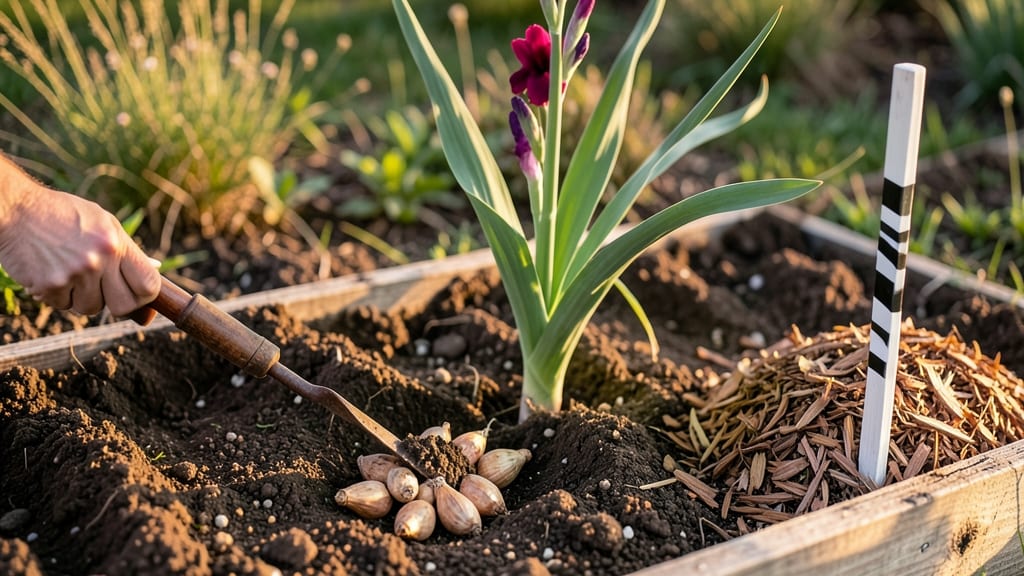
Planting gladiolus in Maine’s 5b-6b zone means timing is everything—get it wrong, and you’ll miss those showstopping 🌸 blooms entirely. The key? Waiting until after the last frost, usually mid-May to early June, when soil temperatures hit that sweet spot for root growth.
I’ve learned the hard way that rushing these corms into cold soil leads to rot, while planting too late cuts your bloom season short. But here’s the good news: with the right cold-hardy varieties and soil prep, Maine gardeners can enjoy gladiolus displays from late summer well into fall.
In this guide, I’ll walk you through the exact planting window, soil secrets for Maine’s rocky terrain, and how to protect your bulbs through winter—so you can treat your garden to stunning color year after year without the guesswork.
Whether you’re a first-time grower or a seasoned pro, these tips will help you avoid common pitfalls and get the most out of your gladiolus investment. Let’s get those corms in the ground the right way!
Best planting timeline for Maine’s gladiolus: frost dates and variety choices
Maine’s last frost dates vary dramatically—from mid-May in southern regions to late May or early June in northern areas. For gladiolus success, aim to plant 4-6 weeks before your local last frost, typically mid-April to early May in most of the state.
Coastal areas like Portland may start slightly earlier, while inland zones like Bangor should wait until late April to avoid frost damage.
Gladiolus corms are not winter-hardy in Maine’s Zone 4-5, so treat them as annuals—dig them up before the first frost (late September to October) and store them indoors.
However, some cold-tolerant varieties like ‘Picasso’ or ‘Attila’ can handle light frosts if mulched properly, extending your blooming season.
Use this week-by-week guide to align planting with Maine’s frost-free window. For example, if your last frost is May 15, plant corms April 15–30 for peak summer blooms. Late plantings after June 1 risk shortened bloom cycles or no flowers at all.
| Planting Window | Best Varieties | Bloom Time | Maine-Specific Notes |
|---|---|---|---|
| April 15–30 (Southern ME) | ‘White Wings’, ‘Green Star’ | July–August | Early frost risk; use row covers. |
| May 1–15 (Central ME) | ‘Picasso’, ‘Attila’ | August–September | Cold-hardy; mulch heavily. |
| May 15–31 (Northern ME) | ‘Black Pearl’, ‘Sander’s Choice’ | Late August–September | Wait for soil warmth (50°F+). |
| June 1–15 (Late Planting) | ‘Friendship’, ‘Dalmatian’ | September–October | Limited blooms; extend season with shade cloth. |
For staggered blooms, plant 1/3 of your corms every 2 weeks from mid-April to early June. This ensures continuous flowers from July to October, even if early plantings get nipped by frost.
Choose taller varieties (4–5 ft) for cut flowers and dwarf types (2–3 ft) for containers or borders.
Maine’s microclimates matter: Coastal areas like Bar Harbor have milder springs, while inland spots like Presque Isle face later frost risks. Monitor local Almanac frost dates or use a soil thermometer—gladiolus corms need soil temps above 50°F to sprout reliably.
Pro tip: Pre-soak corms in lukewarm water for 1 hour before planting to jumpstart root growth. This is especially helpful in Maine’s cool, wet springs, where slow germination is common. Pair this with a slow-release fertilizer at planting for stronger stems and longer vase life.
If you’re new to gladiolus, start with 5–10 corms to test your timing. These easy-to-grow flowers reward patience with bold, showy blooms that attract hummingbirds and butterflies—perfect for Maine’s summer gardens.
Just remember: No blooms this year? Don’t toss those corms—store them for next season’s even better display.
For extended seasons, try late-summer plantings in August using heat-tolerant varieties like ‘Friendship’. These will bloom in fall, adding color just as summer winds down. Just be sure to dig up corms before hard frost—Maine’s Zone 4 winters are no joke for these tropical-looking beauties!
Best planting timeline for Maine’s gladiolus: frost dates and variety choices
Maine’s last frost date typically lands between May 10-20, but coastal areas like Portland may see frost-free soil as early as April 25.
For inland regions like Bangor or Presque Isle, wait until May 25 to plant gladiolus corms—this gives soil time to warm to 60°F+, which is critical for root development.
I’ve found that planting 4-6 weeks before the last frost works best for Maine’s climate. This means aiming for mid-April to early May in coastal zones and late May in colder inland areas. The goal is to give your corms enough time to establish roots before summer heat arrives.
For extended bloom seasons, try staggered planting—space out your corms by 2-3 weeks to enjoy flowers from July through September. For example, plant your first batch in late May, then follow up with early June and mid-June batches for continuous color.
If you’re in a microclimate with unpredictable frosts—like valleys or low-lying areas—consider using row covers or cold frames to extend your planting window. I’ve used these in my Zone 5a garden to push planting back to early June without risking frost damage.
For dwarf varieties like ‘Nutmeg’ or ‘Tom Thumb,’ you can plant as late as June 15 in most of Maine, as they mature faster. However, standard varieties need that full 105-120 days to bloom, so don’t wait too long!
Remember: Soil temperature matters more than air temperature. Use a soil thermometer to confirm your soil is above 55°F before planting—this prevents rot and ensures strong root growth. 🌱