
Companion Plants
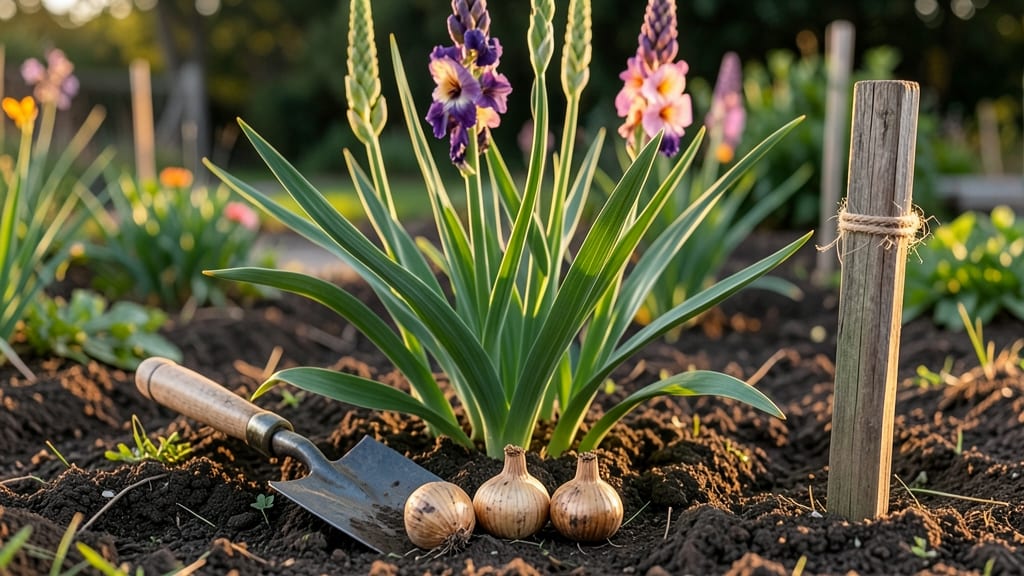
Timing your Gladiolus planting in Florida isn’t just about picking a month—it’s about beating the heat and humidity to unlock bold, vibrant blooms that last from summer into fall.
With no frost to worry about, the real challenge is avoiding summer’s scorching temperatures that can stress these tall, showy flowers before they even get started.
Most gardeners in Florida’s 9a-11 zones swear by planting in August-September for fall blooms or February-March for spring, but the key is preparing your soil and choosing the right microclimate. Whether you’re in the sweltering heat of Miami or the slightly cooler Orlando area, small adjustments make all the difference.
In this guide, I’ll break down the exact heat zone deadlines you need to follow, plus how to stretch your blooming season with staggered plantings. No more guessing—just science-backed timing to ensure your 🌸 Gladiolus thrive year after year.
Ready to transform your garden into a nonstop parade of color? Let’s dive into the strategies that work—no matter where you live in the Sunshine State.
Florida heat zone planting deadlines for gladiolus success
Florida’s gladiolus thrive when planted during cooler months, but timing varies by heat zone. Unlike northern states, Florida’s frost-free climate means you can plant year-round—but heat stress and humidity demand precision. The key? Plant when soil temps hover between 60-70°F and avoid summer’s brutal heat.
Gladiolus corms need 6-8 weeks to establish roots before active growth begins. In Florida’s Zone 8A-10A, this means August-September for fall blooms or February-March for spring displays. Miss these windows, and you risk wilting flowers or poor root development.
Here’s the breakdown by zone—soil temperature, planting deadline, and bloom timeline—to ensure your gladiolus flourish in Florida’s climate.
| Florida Heat Zone | Soil Temp Threshold (°F) | Ideal Planting Window | Bloom Period | Key Consideration |
|---|---|---|---|---|
| Zone 8A (North FL) | 60-68°F | Late August - Early September | October - November | Avoid early Sept heatwaves |
| Zone 9A (Central FL) | 62-70°F | Mid-August - Late September | September - December | Stagger plantings for extended blooms |
| Zone 10A (South FL) | 65-72°F | July - Early September | August - January | Use shade cloth for summer plantings |
| Spring Planting (All Zones) | 60-68°F | February - Early March | May - June | Water deeply post-planting |
Notice how Zone 10A can plant as early as July? That’s because South Florida’s higher humidity and warmer nights reduce heat stress. But even here, midday sun can scorch young corms—so morning watering is non-negotiable.
For spring blooms, Florida gardeners should plant in February to avoid late-winter frost (rare but possible in Zone 8A). The trade-off? Spring-planted gladiolus may bolder in May-June when humidity spikes, but they’re more vulnerable to thrips and aphids.
Pro tip: Use a soil thermometer to confirm temps before planting. 60°F is the minimum for root growth, but 70°F+ can shock corms. In Zone 9A-10A, plant shaded rows if July-August temps exceed 85°F.
After planting, mulch with 2-3 inches of pine straw to retain moisture and regulate soil temp. This is especially critical in sandy soils (common in Florida) where water drains too quickly. Pair this with drip irrigation to keep roots consistently moist without overwatering.
Remember: Gladiolus in Florida aren’t just about timing—they’re about strategy. Stagger your plantings every 2-3 weeks to extend blooms from summer to Christmas. Just watch for heat stress signs like yellowing leaves or drooping spikes—these mean it’s time to provide shade.
🌸
Florida heat zone planting deadlines for gladiolus success
Florida’s heat zones (8A-10A) create unique challenges for gladiolus growers, but understanding these microclimates is key to timing your plantings perfectly. Unlike northern states, Florida’s frost-free windows mean you can plant gladiolus twice yearly—spring and fall—with precise deadlines to avoid heat stress or missed blooms.
For Zone 8A-9A (north Florida), aim for late February to early March for spring blooms and mid-August to early September for fall displays. In Zone 10A (south Florida), extend spring plantings to March-April and fall to August-September, as cooler temperatures linger later.
Soil temperature is your best indicator: gladiolus corms thrive when soil reaches 60°F+. Use a soil thermometer to confirm readiness—especially in clay-heavy soils that warm slowly. In sandy soils (common in central Florida), plant 1-2 weeks earlier as they heat up faster.
| Heat Zone | Spring Planting Window | Fall Planting Window | Soil Temp Threshold |
|---|---|---|---|
| Zone 8A (North FL) | Late Feb - Early Mar | Mid-Aug - Early Sep | 60°F+ |
| Zone 9A (Central FL) | Feb - Early Mar | Late Aug - Early Sep | 62°F+ |
| Zone 10A (South FL) | Mar - Early Apr | Aug - Sep | 65°F+ |
Missed the ideal window? Don’t panic! Staggered plantings every 2-3 weeks after the deadline can still yield blooms, though later plantings may produce smaller flowers.
For example, a September 15th planting in Zone 9A might bloom in November instead of October, but with proper care, the stems will still reach 4-5 feet.
Pro tip: In humid Florida summers, mulch with straw or pine bark to keep soil moist and cool. Avoid black plastic mulch, which can overheat corms and stunt growth. Pair your gladiolus with marigolds or basil to deter pests like thrips, a common Florida nuisance.
Remember, gladiolus corms are dormant in winter, so fall plantings give them time to establish roots before December’s rare cold snaps. In Zone 8A, a light frost can damage emerging shoots, so cover young plants with frost cloth if temperatures dip below 30°F.