
Plants
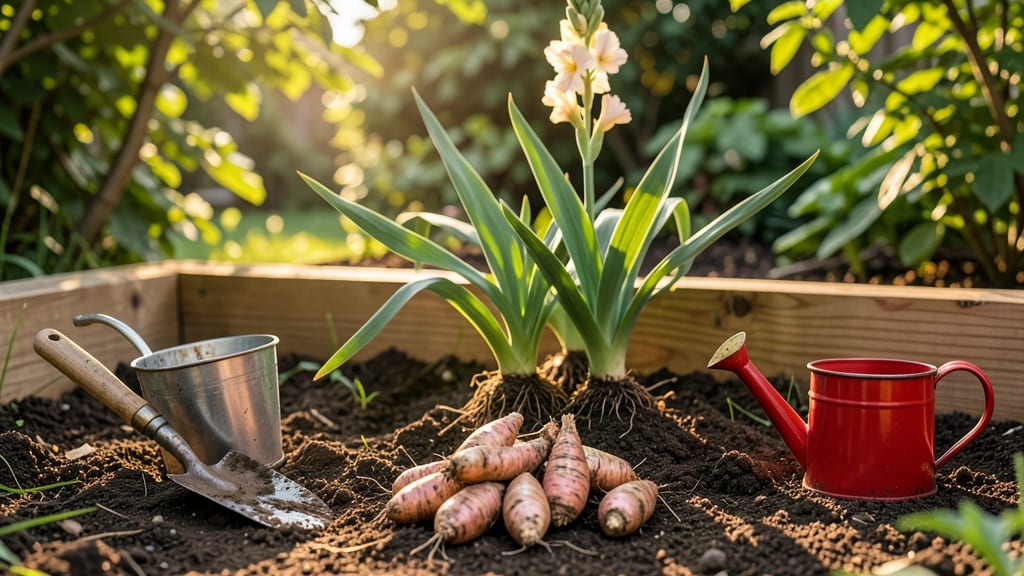
Planting your gladiolus bulbs at the wrong time in Colorado could mean losing those stunning 🌸 blooms before they even begin. The key to vibrant summer flowers isn't just luck—it's knowing exactly when to get those bulbs in the ground so they thrive in our 5-7 USDA zones.
Most gardeners in Colorado wait until after the last frost, typically mid-April to mid-June, but timing varies by elevation. If you plant too early, a late frost could damage tender shoots, while waiting too long might shorten your blooming season.
Let me show you how to nail the perfect window for your specific microclimate.
Beyond just the calendar, we'll cover soil prep tricks to help your gladiolus establish strong roots before summer heat sets in. Whether you're in Denver or the mountains, these pro tips will help you extend your blooming season and avoid common pitfalls that trip up even experienced gardeners.
Ready to grow gladiolus that stand 4-5 feet tall and bloom from July to September? I'll walk you through every step—from soil temperature checks to adjusting for Colorado's short growing season—so you can enjoy those showstopping flowers all summer long.
Colorado’s gladiolus planting zones: when to plant by USDA hardiness Zone
Colorado’s diverse elevations and microclimates mean your gladiolus planting window can vary dramatically from Denver’s urban heat islands to the Rocky Mountain foothills. Most of the state falls within USDA Zones 5-7, but even small elevation changes affect last frost dates and soil warming.
For Zone 5 (higher elevations like Steamboat Springs), aim for mid-May planting, while Zone 7 (Albuquerque border areas) can start as early as late April.
Gladiolus bulbs need soil temperatures above 60°F to thrive—cold soil stunts growth and invites rot. Use a soil thermometer to confirm readiness, especially in high-altitude gardens where nights remain chilly even after the last frost.
In Denver (Zone 5b), this typically means waiting until mid-May, while Colorado Springs (Zone 6a) gardeners can plant by early May.
Here’s how to align your planting with Colorado’s microclimates and frost patterns:
| USDA Zone | Last Frost Date | Ideal Planting Window | Soil Temp Requirement | Microclimate Notes |
|---|---|---|---|---|
| Zone 5 (e.g., Steamboat Springs) | Mid-May | Late May to early June | 60°F+ (wait for warmth) | Short season; choose early-blooming varieties |
| Zone 6 (e.g., Denver, Fort Collins) | Early May | Mid-April to late May | 60°F+ (soil thermometer check) | Urban heat islands warm faster; plant early |
| Zone 7 (e.g., Pueblo, southern CO) | Late April | Late March to mid-May | 55°F+ (earlier planting possible) | Longer season; stagger plantings for extended blooms |
If you’re in a transition zone (e.g., Boulder’s Zone 5b/6a), err on the side of planting later. Cold snaps in May can still damage tender shoots.
For container gardening, you can push the window slightly earlier—pots warm up faster than in-ground soil—but ensure they’re in a protected location (like a greenhouse or microclimate near a south-facing wall).
Pro tip: Use black plastic mulch to warm soil 5-10°F faster in cooler zones. Lay it down 1-2 weeks before planting to create a microclimate that mimics Zone 6 conditions, even in Zone 5. This trick works especially well for high-altitude gardens where summers are short.
For late bloomers, consider staggered planting: Sow half your bulbs in early May and the rest in early June. This extends your gladiolus season from July through September, giving you continuous color as other annuals fade.
Just be mindful of first frost dates—most Colorado regions see frost by mid-October, so plan accordingly.
Colorado’s dry climate also means water stress can delay blooming. After planting, deep-water weekly (1 inch) to encourage strong root growth. In Zone 7, you might even see second flushes of blooms if you maintain consistent moisture.
Pair this with well-draining soil to prevent rot—critical in clay-heavy areas like the San Luis Valley.
Always check your local CoCoRaHS weather station or Colorado State University Extension for real-time frost alerts. Their data accounts for localized variations that general zone maps miss.
With the right timing, your gladiolus will reward you with dramatic spikes that reach 4-5 feet tall—a stunning focal point in any Colorado garden.
Colorado’s gladiolus planting zones: when to plant by USDA hardiness Zone
Colorado’s diverse USDA hardiness zones (4-7) mean your gladiolus bulb planting window shifts dramatically from the Front Range to the Western Slope. In Zone 4 (e.g., Steamboat Springs), aim for mid-May after the last frost, while Zone 7 (e.g., Pueblo) can start as early as late March.
The key is soil temperature—wait until it reaches 60°F at 4 inches deep to ensure healthy root growth.
High-altitude areas like Denver (Zone 5) or Colorado Springs (Zone 6) face unique challenges, including late spring frosts and shorter growing seasons. Microclimates near water bodies or urban heat islands may allow earlier planting, but rural areas often need to wait until early June to avoid frost risk.
Always check your local last frost date—Colorado’s can vary by 2-3 weeks even within the same city!
Gladiolus bulbs thrive in full sun (6+ hours daily), but Colorado’s intense UV exposure at high elevations demands extra care. Plant bulbs 4-6 inches deep and 6 inches apart in well-draining soil to prevent rot.
If your garden soil is clay-heavy (common in eastern Colorado), amend it with compost or sand before planting.
For high-altitude gardens (5,000+ feet), consider staggered planting—start with early varieties in May and follow with late bloomers in June. This extends your bloom season from July to September, even in Zone 4.
Always water deeply after planting to encourage root establishment, and mulch with straw to retain moisture in Colorado’s dry air.
If you’re in Zone 4 or 5, prioritize cold-hardy varieties like ‘White Prosperity’ or ‘Attraction,’ which tolerate cooler soils better than tropical hybrids. For Zones 6-7, experiment with heat-tolerant cultivars like ‘Black Star’ or ‘Green Gauguin’ to push your season into fall.
Just remember: first frost typically hits Colorado by mid-October, so time your planting to ensure 120-150 days of growth before dormancy.
Pro tip: Use a soil thermometer to monitor temperature—gladiolus roots struggle below 55°F. If your soil stays cold, wait 1-2 weeks longer for optimal growth. Patience now means stunning summer blooms with minimal fuss! 🌸