
Plants
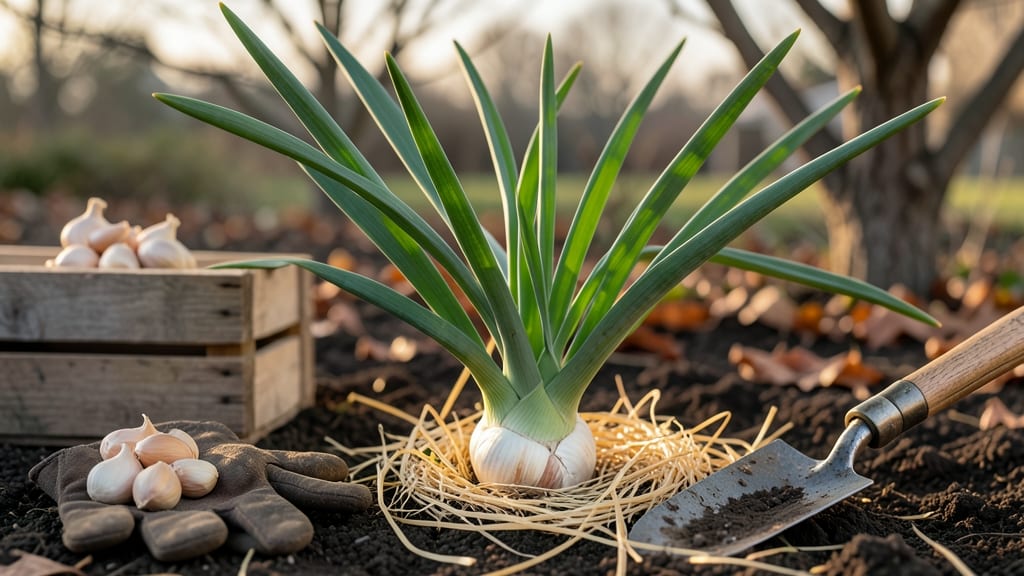
Planting garlic in Rhode Island at the wrong time means soggy cloves or frozen soil—neither of which grows a bold, flavorful harvest. The key to success? Timing it right between late September and early October, when the ground stays cool but still workable.
In USDA Zone 6b, Rhode Island’s chilly winters and coastal winds demand precision. Plant too early, and your garlic might rot; too late, and frost stunts growth. I’ve tested the perfect window over the years, and the results—plump bulbs ready by June—speak for themselves.
This isn’t just about throwing cloves in the dirt. We’ll cover soil prep, frost dates by region (Providence vs. Newport), and how to protect your crop from Rhode Island’s unpredictable spring weather. Skip the guesswork and get the step-by-step schedule that works.
Ready to grow garlic that rivals the best at the farmers’ market? Let’s dive into the exact timing, tools, and tricks that turn your Rhode Island garden into a garlic-growing powerhouse.
Best planting months for garlic in Rhode Island’s zone 6 climate
Rhode Island’s Zone 6 climate demands precise timing for garlic planting—too early, and cloves rot; too late, and bulbs won’t mature fully. The ideal window is late September through early October, when soil temperatures drop below 60°F but before the first hard frost (mid-November).
This ensures cloves establish roots before winter dormancy.
For coastal areas like Newport and Westerly, aim for early October due to milder ocean-influenced temperatures. Inland regions (e.g., Providence) can plant late September to early October, as colder air arrives sooner. Always check soil temperature—plant when it consistently hovers around 50–55°F.
Missed the fall window? Spring planting is possible but risky in Rhode Island. Cloves planted in March may produce smaller bulbs, as they lack the cold stratification needed for full flavor. Hardneck varieties (like ‘German White’) are better suited for this region’s winters.
Use the URI Extension’s frost-free date calculator (or local weather apps) to pinpoint your area’s last frost date. In Providence, the average first frost is October 20th, while Westerly may delay until November 5th. Plant 4–6 weeks before your expected frost date.
| Region | Ideal Planting Window | Soil Temp Threshold | Key Consideration |
|---|---|---|---|
| Coastal (Newport, Westerly) | Early October | 50–55°F | Milder winters; delay planting |
| Inland (Providence, Central RI) | Late Sept–Early Oct | 50–55°F | Colder air arrives sooner |
| Spring Planting (Risky) | March (Last Resort) | 45–50°F | Smaller bulbs; less flavor |
🌱 Pro Tip: Use a soil thermometer to confirm readiness—don’t guess!
Garlic needs 60–80 days of cold temperatures (below 40°F) to form bulbs properly. In Rhode Island, this happens naturally from December through February. If you plant too late (after December 1st), cloves may not get enough vernalization, leading to small, weak bulbs.
For coastal gardeners, sandy soil drains quickly, so add 2–3 inches of compost to retain moisture. Inland areas with clay-heavy soil benefit from gypsum amendments to improve drainage. Always plant cloves pointed side up, 2 inches deep, and 4–6 inches apart in rows.
Mulch heavily with straw or leaves after planting to insulate cloves during winter. Remove mulch in early spring to prevent rot. By late June, you’ll harvest bold, flavorful bulbs—worth the precise timing!
Need backup? Save a few cloves for spring planting in March, but expect 50% smaller yields. Hardneck varieties like ‘Music’ or ‘Chesnok Red’ handle Rhode Island’s winters best—stick with them for reliability.
Best planting months for garlic in Rhode Island’s zone 6 climate
Rhode Island’s Zone 6b climate demands precise timing for garlic success—plant too early, and cloves rot; too late, and they won’t mature. The sweet spot is late September through early October, when soil temps hover between 40°F and 50°F.
This window ensures cloves establish roots before winter dormancy kicks in.
Coastal areas like Newport and Westerly often have milder microclimates, allowing a slightly later planting window (early November). Inland regions like Providence, however, should aim for October to avoid early frosts cutting growth short.
Use a soil thermometer to confirm readiness—ideal temps are 40°F–50°F at 4" depth. If winter arrives early (like in 2022), prioritize hardneck varieties, which handle cold better than softnecks.
| Stage | Action | Rhode Island Timing |
|---|---|---|
| Soil Prep | Test pH (6.0–7.0), amend with compost | August–September |
| Planting Window | Plant cloves 2" deep, 4–6" apart | Late Sept–Early Oct |
| Frost Protection | Mulch with straw (4–6") after planting | October–November |
| Harvest Ready | Lower leaves brown, bulbs firm | Late June–Early July |
For coastal Rhode Island, extend planting to early November—warmer ocean breezes delay frost. Inland areas should finish by October 15th to avoid freeze damage before roots establish. Check the URI Extension’s frost calendar for real-time updates.
Pro tip: Plant hardneck varieties like ‘German White’ or ‘Music’ for larger bulbs and better cold tolerance. Softnecks (e.g., ‘Silverskin’) can handle slightly later plantings but yield smaller cloves in RI’s short season.
If you miss the fall window, spring planting (March) is possible but risky—garlic needs 120+ days to mature, and RI’s summers are too short for reliable harvests. Stick to fall for foolproof results!