
Container Gardens
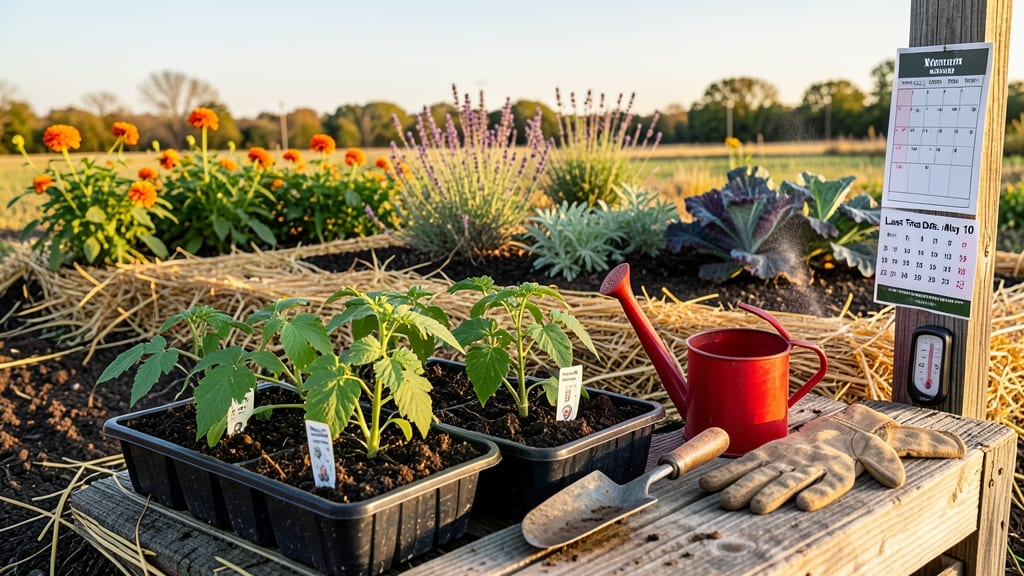
Timing when to plant a garden in Nebraska 🌱 just right can mean the difference between a thriving harvest and wasted effort—especially when Nebraska’s USDA Zone 5b frost dates shift every year.
Miss the window, and you might end up with bolted lettuce or frostbitten tomatoes, no matter how much care you put in.
I’ve spent years tracking the ideal planting windows for Nebraska, and the secret isn’t just waiting for the last frost (though that’s critical). It’s about understanding how soil temperatures, microclimates, and even your specific location—whether you’re in Omaha, Lincoln, or rural areas—can shift those deadlines by weeks.
Get this right, and you’ll enjoy fresh veggies from June through October without the guesswork.
In this guide, I’ll break down the exact months to plant everything from cool-season greens to heat-loving tomatoes, plus how to adjust for Nebraska’s unpredictable weather. No more second-guessing—just a garden that grows like clockwork.
Ready to turn your Nebraska garden into a year-round success? Let’s dive into the planting schedule that actually works for your zone.
Nebraska’s last frost dates & best planting windows by month (zone 5b guide)
Nebraska’s USDA Zone 5b means your planting schedule hinges on last frost dates that typically fall between April 15 and May 15. However, microclimates in Omaha, Lincoln, and rural areas can shift these windows by 1-2 weeks.
For example, Omaha’s last frost often comes earlier than western Nebraska’s Panhandle region, where colder air lingers longer.
To maximize your garden’s potential, focus on two critical planting periods: spring (April–May) for cool-season crops and late summer (August–September) for warm-season veggies. Missing these windows can leave you with stunted plants or frost-damaged harvests. Here’s how to align your planting with Nebraska’s climate quirks.
🌱 Nebraska Planting Windows by Month
| Month | Cool-Season Crops | Warm-Season Crops | Fall Planting |
|---|---|---|---|
| March | Peas, spinach, lettuce | Start indoors | — |
| April | Onions, carrots, radishes | Tomatoes, peppers (after frost) | — |
| May | Broccoli, cabbage | Corn, beans, cucumbers | — |
| June | — | Squash, melons | Kale, Brussels sprouts |
| July | — | — | Spinach, lettuce |
| August | — | — | Radishes, arugula |
| September | — | — | Garlic, onions |
*Timing varies by microclimate—check local frost forecasts!
For cool-season crops like spinach and peas, start seeds indoors in early March or direct-sow in late March to early April. These hardy plants tolerate light frosts, but heavy freezes (below 20°F) can still damage them. Use row covers if nighttime temps dip unexpectedly.
Warm-season crops—think tomatoes, peppers, and corn—demand soil temperatures above 50°F. In Nebraska, this typically means waiting until mid-to-late May for most regions. Omaha gardeners can often plant 1 week earlier than rural areas, thanks to urban heat islands.
Test soil temps with a soil thermometer to avoid false starts.
Don’t overlook fall planting, which extends your harvest into October and November. Crops like kale, Brussels sprouts, and garlic thrive when planted in August or early September.
These plants actually sweeten in cold weather, making them perfect for Nebraska’s crisp autumns. Just be sure to harvest before the first hard frost (usually mid-October).
Pro tip: Succession planting every 2 weeks keeps your garden productive. For example, sow bush beans in early May, June, and July for staggered harvests. This strategy works especially well for fast-growing crops like radishes and lettuce, which can bolt in Nebraska’s hot summers.
If you’re in western Nebraska, where nights stay cooler longer, err on the side of planting later (closer to May 15). Eastern Nebraska’s warmer microclimates near cities like Lincoln may allow early May plantings for heat-loving crops.
Always monitor local weather alerts—a sudden late frost in early May can wipe out tender seedlings overnight.
For perennials and shrubs, Nebraska’s fall planting window (early September) is ideal. The cooler soil and reduced stress help roots establish before winter. Choose drought-tolerant varieties like Russian sage or coneflowers, which thrive in Nebraska’s low-humidity climate.
Remember: No two springs are alike in Nebraska. Even
How to adjust planting timing for Nebraska’s unpredictable weather patterns
Nebraska’s unpredictable spring frost can leave your seedlings vulnerable if you’re not prepared. I’ve learned the hard way—one year, my tomato starts were ready to transplant on April 20th, only for a surprise 28°F night to hit.
The solution? Flexible timing strategies that account for local microclimates and weather patterns.
Start by checking your local frost dates—Omaha’s last frost typically arrives 2-3 weeks earlier than western Nebraska. Use row covers or cold frames to extend your growing season by 2-4 weeks for cool-season crops like spinach or kale.
These tools create a 5-10°F warmer environment, shielding tender plants from late frosts.
Succession planting is another game-changer. Instead of sowing all your bush beans at once, stagger plantings every 2 weeks from May 15 to June 15. This ensures a continuous harvest and reduces the risk of losing your entire crop to pest outbreaks or drought.
I’ve seen this method double my yield of zucchini in just one season!
For fall planting, aim to sow cool-season crops like radishes or carrots by August 15—they’ll mature before the first frost. Use mulch to insulate soil and retain warmth, giving plants an extra 2-3 weeks of growing time.
In my garden, a 3-inch layer of straw mulch kept my lettuce growing until mid-October.
Monitor weather forecasts closely, especially for High Plains regions, where temperature swings are more extreme. Signs of an impending frost include ground fog, cold winds, and animals acting unusually (like birds flocking together).
If frost is predicted, cover young plants with lightweight blankets or plastic sheeting—even a few degrees warmer can mean the difference between survival and loss.
Finally, keep a gardening journal to track your local frost dates and planting successes. Over time, you’ll spot patterns—like when your area tends to have late frosts or unseasonable heat waves.
Last year, my notes showed that June 1 was the safest date to plant cucumbers in my Lincoln garden, avoiding both frost and heat stress. Adjust your schedule yearly based on your records.