
Container Gardens
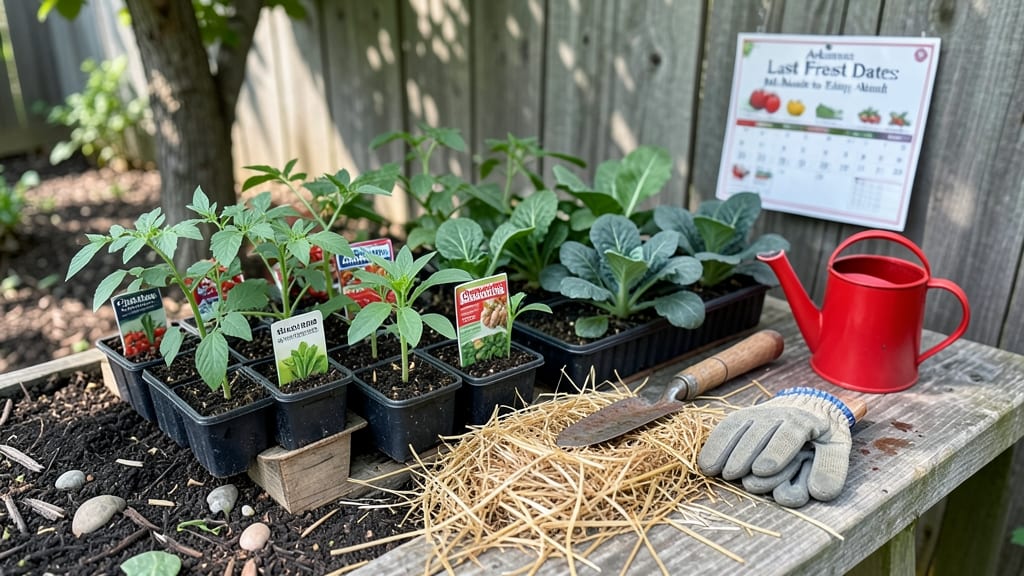
Knowing when to plant a garden in Arkansas means the difference between a thriving harvest and a disappointing failure—especially when frost can strike as early as February 15 in the south or linger until November 15 in the north.
With USDA zones 6b-8a across the state, figuring out the perfect planting window for your 🌱 General Garden Vegetables & Flowers can feel like navigating a maze.
I’ve spent years growing everything from azaleas to sweet potatoes in Arkansas, and the key isn’t just following a generic calendar—it’s knowing your local microclimate. Whether you’re in the humid Delta or the cooler Ozarks, planting too soon risks frost damage, while waiting too long might mean missing peak harvests.
Let’s break down the exact dates and strategies to get your garden thriving.
You’ll learn when to start seeds indoors, which crops can handle Arkansas’ unpredictable spring weather, and how to adjust for late frosts or early heatwaves. No more guessing—just a clear, zone-specific roadmap to ensure your tomatoes, peppers, and perennials get off to the best possible start.
From soil prep tips to backup planting dates, I’ll share the exact steps I use to maximize my garden’s potential. Whether you’re a beginner or a seasoned gardener, these insights will help you avoid common mistakes and make the most of Arkansas’ growing season.
Arkansas planting zones explained: when to start seeds vs. transplants
Arkansas spans USDA hardiness zones 6b through 8a, creating a diverse gardening landscape where last frost dates vary dramatically. In the northern mountains (zone 6b), gardeners face a March 15 last frost, while the Delta region (zone 8a) enjoys frost-free conditions by February 15.
This variation means your planting timeline depends heavily on where you live in the state.
Understanding these zones helps you decide whether to start seeds indoors or direct-sow outdoors. For example, cool-season crops like spinach or peas can handle Arkansas’ early spring chill, but heat-lovers like tomatoes and peppers need to wait until soil warms to 60°F+.
Let’s break down the key differences and actionable planting windows for each zone.
| Zone & Region | Last Frost Date | Start Seeds Indoors | Direct Sow Outdoors | Transplant Warm Crops |
|---|---|---|---|---|
| Zone 6b (North AR: Ozarks, Boston Mountains) | March 15 | Feb 15–March 1 (peppers, tomatoes) | March 20–April 15 (lettuce, peas, carrots) | April 15–May 1 |
| Zone 7a (Central AR: Little Rock, Fort Smith) | March 1 | Feb 1–March 1 (tomatoes, basil) | March 1–April 10 (spinach, radishes) | March 20–April 10 |
| Zone 8a (South AR: Texarkana, Delta) | February 15 | Jan 15–Feb 15 (early tomatoes, peppers) | Feb 1–March 1 (kale, collards) | Feb 20–March 15 |
🌱 Pro Tip: Use row covers to extend early planting by 2–3 weeks in cooler zones.
For cool-season crops, aim to plant 4–6 weeks before your last frost. This gives them enough time to mature before summer heat sets in. Spinach, peas, and lettuce are classic examples—sow them in February or early March in most of Arkansas.
Meanwhile, warm-season crops like okra and sweet potatoes thrive when soil temperatures hit 65°F+, typically late April to early May.
Transplants like tomatoes, peppers, and eggplants need a head start. Start seeds 6–8 weeks before your last frost, then transplant them 2–3 weeks after that date. In zone 6b, this means early April transplants, while zone 8a gardeners can plant as early as late February.
Always check soil temperature with a soil thermometer—it’s the most reliable guide for warm-season crops.
Arkansas’ humidity and summer heat also play a role. Bolting lettuce or blight-prone tomatoes are common issues if you plant too late. To avoid this, opt for heat-tolerant varieties like ‘Heatwave’ tomatoes or ‘Southern Exposure’ okra, and use shade cloth during peak summer afternoons.
For fall planting, focus on August–September to harvest before the first frost.
Don’t forget about perennials and native plants, which have different timelines. Azaleas and pecan trees benefit from fall planting (September–October), while wildflowers like black-eyed Susans can be sown in early spring or late summer.
Arkansas’ Arkansas Cooperative Extension offers soil tests and local planting guides—take advantage of these resources to fine-tune your schedule.
If you’re new to Arkansas gardening, start small with a test plot of cool-season crops in early spring. This lets you gauge your local microclimate before committing to larger plantings. Keep a gardening journal to track frost dates, soil conditions, and plant performance—it’ll help you refine your timing each year.
With the right approach, Arkansas’ diverse zones can work in your favor! 🌿
Month-by-month Arkansas planting calendar: what to sow in March vs. May
Arkansas gardeners have a short but sweet window for planting, with spring and fall being the prime seasons. March kicks off the rush, while May marks the last chance for warm-season crops before summer heat sets in.
Understanding these monthly shifts helps you avoid frost damage or bolting vegetables like lettuce.
Your last frost dates vary by region: North Arkansas (March 15), Central Arkansas (March 1), and South Arkansas (February 15). Use these as your guide for starting seeds indoors or transplanting seedlings.
For example, cool-season crops like broccoli and spinach thrive when planted 4-6 weeks before your last frost, while tomatoes and peppers need 2-3 weeks after frost danger has passed.
North Arkansas gardeners face cooler temps and later frosts, so prioritize cold-hardy crops like Brussels sprouts and cabbage in March. Meanwhile, South Arkansas’ longer growing season allows for double cropping—plant spring greens, harvest, then replant with fall crops like turnips.
Missed the spring window? Don’t panic! Fall planting (August-September) offers a second chance for leafy greens and root vegetables. Just be mindful of first frost dates: North Arkansas (Nov 15), Central Arkansas (Nov 1), and South Arkansas (Dec 1). Plan to harvest before frost hits.
For container gardens, adjust timing slightly—pots warm up faster than soil, so you can plant warm-season crops 1-2 weeks earlier. Just ensure containers have drainage holes to prevent root rot in Arkansas’s humid summers.