
Planting
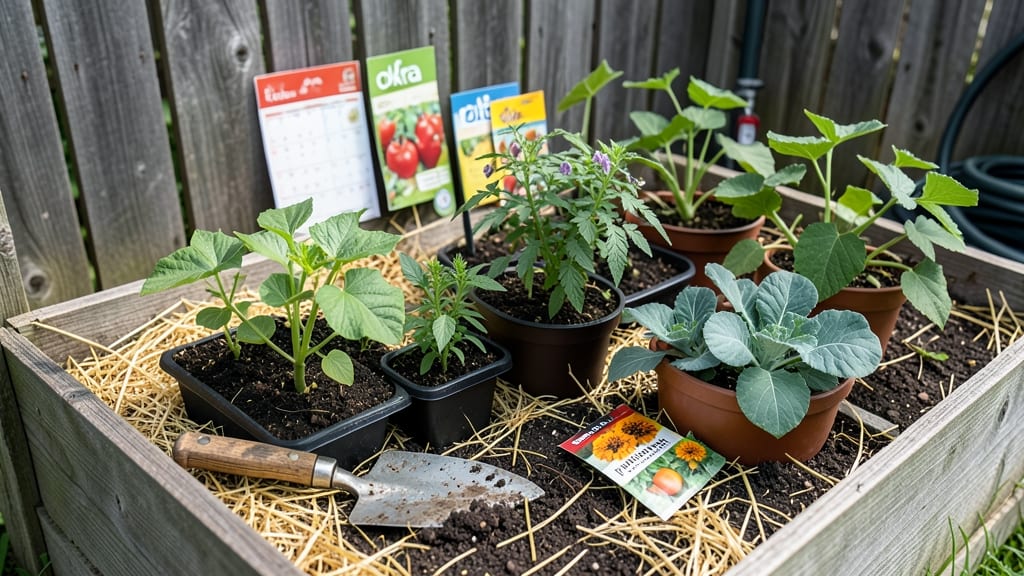
Timing your Alabama garden planting just right means the difference between a thriving harvest and wasted effort—because those last frost dates in Heat Zones 7B and 8A can sneak up faster than you think.
I’ve spent years watching my Alabama garden transform from frost-bitten failures to lush, productive plots, and the secret lies in knowing exactly when to plant. Whether you’re sowing cool-season greens or heat-loving tomatoes, getting the timing right is the key to avoiding frost damage and maximizing your yield.
Let’s break down the optimal planting windows for Alabama’s unique climate, so you can start seeds, transplant seedlings, and mulch with confidence. No more guessing—just proven strategies for a garden that flourishes year after year.
From early spring prep to late-summer succession planting, I’ll show you how to work with Alabama’s extended growing season like a pro. Ready to turn your garden dreams into reality?
Alabama planting deadlines by heat zone 7B/8A: frost dates and safe planting windows
Alabama’s USDA Heat Zones 7B and 8A create a unique gardening climate where last frost dates vary dramatically between north and south.
In Zone 7B (northern Alabama), the average last frost typically occurs around March 15, while Zone 8A (southern Alabama) sees its last frost closer to February 15. These differences mean your planting timeline must account for microclimates and frost risks to avoid losing tender seedlings.
Understanding these frost-free windows is critical because cool-season crops like lettuce and broccoli thrive in cooler temperatures, while warm-season plants such as tomatoes and peppers need soil temperatures above 60°F to germinate. Missing these windows can leave your garden struggling—or worse, wiped out by an unexpected late-spring frost.
Here’s the breakdown of safe planting windows for Alabama’s two primary heat zones, including early spring, late winter, and fall planting opportunities to maximize your harvest.
| Zone & Season | Last Frost Date | First Frost Date | Cool-Season Planting | Warm-Season Planting |
|---|---|---|---|---|
| Zone 7B (North AL) | March 15 | November 15 | Feb 1 - Mar 15 | Apr 15 - May 15 |
| Zone 8A (South AL) | February 15 | December 1 | Jan 1 - Feb 15 | Mar 1 - Apr 1 |
| Fall Planting (Both Zones) | N/A | Oct 1 - Nov 1 | Aug 1 - Sep 15 | N/A |
*Timing may shift 1-2 weeks based on microclimates and elevation.
For Zone 7B gardeners, the cool-season window runs from February 1 to March 15, giving you time to plant leafy greens, peas, and broccoli before soil warms. Meanwhile, warm-season crops like tomatoes and peppers should wait until April 15 to avoid frost damage to young plants.
In Zone 8A, you can start cool-season crops as early as January 1, while warm-season planting begins by March 1.
Fall planting offers a second chance for cool-season crops like spinach and kale, with August 1 to September 15 being ideal. Planting too late risks first frost before harvest, so aim for varieties with short maturity times (e.g., bush beans or radishes).
One common mistake is planting heat-sensitive crops like lettuce too early in Zone 8A—they’ll bolt (go to seed) in the heat. Conversely, Zone 7B gardeners often rush tomatoes into the ground before soil warms enough (60°F), leading to poor germination.
Always check soil temperature with a thermometer before planting.
Pro tip: Use row covers or cold frames to extend your cool-season window by 2-3 weeks. This is especially useful in Zone 7B, where late frosts can still occur in April. For warm-season crops, wait until nighttime temperatures stay above 55°F consistently.
Alabama’s extended growing season means you can grow nearly year-round with the right planning. By aligning your planting with these heat zone deadlines, you’ll avoid frost damage and enjoy a longer harvest window for both cool-season and warm-season crops.
Next, we’ll dive into the best vegetables to plant in Alabama by season, tailored to your specific heat zone.
Best vegetables to plant in Alabama by season: heat zone-specific recommendations
Alabama gardeners enjoy a long growing season, but timing is everything. In Heat Zone 7B (North Alabama) and 8A (South Alabama), the last frost typically arrives between March 15-30, while the first frost hits around November 15-30.
This means you can grow two full harvests of cool-season crops and one massive warm-season harvest each year.
Let’s break down the best vegetables to plant by season, tailored to Alabama’s climate. I’ll highlight cool-season stars like broccoli and spinach for early spring and fall, plus heat-loving crops like tomatoes and peppers for summer.
Pro tip: Succession planting (sowing seeds every 2-3 weeks) extends harvests—especially for bush beans and lettuce.
🌱 Alabama Seasonal Planting Guide
🌿 Cool Season (Feb-Apr, Sep-Oct)
- Broccoli: Feb-Mar, Aug-Sept (60-80 days)
- Spinach: Feb-Apr, Aug-Sept (40-50 days)
- Peas: Feb-Mar, Aug-Sept (60-70 days)
- Lettuce: Feb-Apr, Aug-Oct (30-50 days)
☀️ Warm Season (Apr-Jun, Jul-Aug)
- Tomatoes: Apr-May, Jul-Aug (60-85 days)
- Peppers: Apr-May, Jul-Aug (70-90 days)
- Okra: May-Jun, Jul-Aug (50-60 days)
- Sweet Corn: Apr-May, Jul-Aug (60-90 days)
🌻 Year-Round Heroes
- Green Onions: Feb-Nov (harvest as needed)
- Radishes: Feb-Apr, Aug-Sept (25-30 days)
- Cucumbers: May-Jun, Jul-Aug (50-70 days)
- Carrots: Feb-Apr, Aug-Sept (60-80 days)
For Heat Zone 7B (e.g., Huntsville), start cool-season crops 2-3 weeks earlier than Zone 8A (e.g., Mobile).
For example, plant spinach by February 15 in North Alabama but wait until March 1 in South Alabama. Warm-season crops like tomatoes can handle Zone 7B’s soil by April 15, while Zone 8A’s warmer soil lets you plant by March 20.
Don’t overlook succession planting for bush beans and lettuce. I sow bush beans every 2 weeks from May through July to ensure a steady harvest. Similarly, lettuce thrives in Alabama’s mild winters—plant August through October for fall greens. Use shade cloth in summer to protect leafy greens from bolting.
Pro tip: Container gardening extends your options. Grow peppers or herbs in pots and move them to partial shade during summer’s peak heat. This works especially well for Heat Zone 8A, where summer temps can exceed 95°F. Always use well-draining soil and mulch heavily to retain moisture.
Finally, watch for pests like squash bugs and diseases such as early blight on tomatoes. I rotate crops yearly to prevent soil-borne diseases and use neem oil as a preventive spray. With these seasonal guidelines, your Alabama garden will yield bountiful harvests year-round!