
Trees
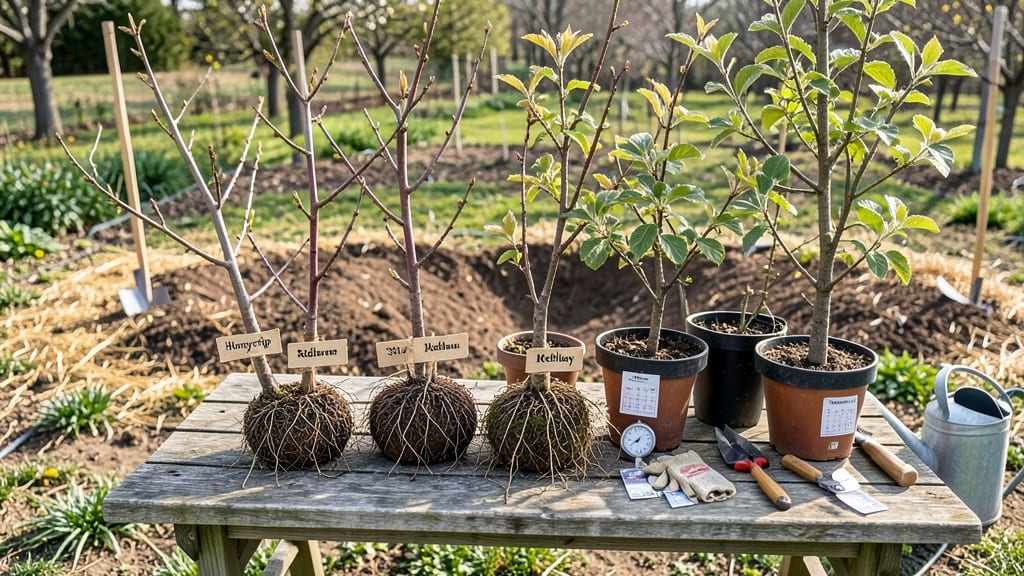
Planting fruit trees in Wisconsin isn’t just about waiting for spring—it’s about matching your variety to the chill hours your region needs for reliable blooms and harvests. 🍎 With zones ranging from 4a to 6b, timing can mean the difference between a thriving orchard and a sad, frost-bitten sapling.
Most gardeners assume late spring is the only window, but some varieties—like tart cherries—thrive when planted in early fall. The key is understanding your last frost date (usually mid-May) and soil temperature, which should be at least 40°F for bare-root trees.
I’ll break down the exact months for each zone, so you can avoid common mistakes like planting too early and risking frost heave.
Whether you’re dreaming of Honeycrisp apples or sweet Bing cherries, getting the timing right is the first step to a fruitful future. Let’s dive into the best planting strategies for Wisconsin’s climate, including soil prep, frost safeguards, and which varieties match your chill-hour zone perfectly.
Ready to turn your backyard into an orchard? You’ll learn how to plant in spring or fall, choose the right rootstock, and keep your trees healthy year-round—so you can enjoy fresh fruit for decades to come.
Wisconsin fruit tree planting calendar by chill-hour zones
Wisconsin’s 5 chill-hour zones (from 200 hours in Zone 4a to 1,000+ hours in Zone 6b) determine when—and which—fruit trees will thrive in your yard. Chill hours are the number of hours below 45°F a tree needs to break dormancy and bloom properly.
Planting at the wrong time can mean failed blooms or frost damage to new growth.
Most Wisconsin gardeners focus on spring planting (April–May), but fall planting (September) works for some varieties, especially in Zones 5 and 6. The key is planting when soil temps reach 40°F and there’s no risk of late frost (usually after mid-May).
I’ll break down the best windows for each zone, including soil prep and frost safeguards.
| Zone | Chill Hours | Best Planting Window | Soil Temp | Frost Risk | Top Varieties |
|---|---|---|---|---|---|
| 4a (Northern WI) | 200–400 | April 15–May 15 | 40–50°F | High (late frost) | Liberty Apple, Montmorency Cherry |
| 4b (Central-North WI) | 400–600 | April 1–May 20 | 40–50°F | Moderate | Honeycrisp Apple, Stanley Plum |
| 5a (Central WI) | 600–800 | April 1–June 1 (or Sept 1–15) | 45–55°F | Low | Starking Delicious, Bartlett Pear |
| 5b (South-Central WI) | 800–1,000 | April 15–June 10 | 45–55°F | Minimal | Black Tartarian Cherry, Methley Pear |
| 6a/6b (Southeast WI) | 1,000+ | April 1–June 15 | 50–60°F | Very Low | Honeycrisp, Starkrimson Apple |
For Zone 4a, where winters are harshest, stick to early spring planting (April 15–May 15). Bare-root trees should go in the ground as soon as soil is workable, while container-grown trees can wait until mid-May.
In Zones 5 and 6, you have more flexibility—fall planting (September) works well for varieties like ‘Liberty’ apples and ‘Stanley’ plums, as long as roots establish before first frost (mid-October).
Always check your last frost date (typically mid-May in northern WI, early May in southern WI). Planting too early risks frost heave—when soil freezes and thaws, lifting roots out of the ground. To protect young trees, apply 4–6 inches of mulch around the base after planting.
Pro tip: Use a frost cloth or row cover for the first 2–3 weeks after planting in Zones 4 and 5 to shield new growth from late frosts.
In Zone 6, you can push planting slightly later (up to early June) for varieties like ‘Honeycrisp’ apples, which need warm soil to establish roots quickly.
Soil temperature is just as critical as air temperature. Use a soil thermometer to confirm it’s at least 40°F before planting bare-root trees. For container-grown trees, wait until soil is 50°F or warmer.
Amend your soil with compost to improve drainage—waterlogged roots are a common killer in Wisconsin’s heavy clay soils.
Remember, dwarf varieties (like ‘Liberty’ apples) establish faster than standard trees, so they’re ideal for Zone 4 gardeners. If you’re in Zone 6, you can even try peach trees (though they need 800+ chill hours and are best planted in late spring).
With the right timing, your fruit trees will reward you with harvests for decades! 🌳🍒
Best fruit tree varieties for Wisconsin’s climate and when to plant them
Wisconsin’s 5 chill-hour zones (ranging from 200–1,000 hours) dictate which fruit trees thrive best in your yard. Apples, cherries, and plums are top picks, but timing their planting ensures they’ll bloom reliably.
I’ve narrowed down the 8 most successful varieties for Wisconsin gardens, complete with their ideal planting windows and chill-hour matches.
For Zone 4 (200–400 chill hours), cold-hardy varieties like ‘Liberty’ apples and ‘Montmorency’ cherries excel. These trees need to be planted in early spring (April–May) or early fall (September) to establish roots before winter.
In Zone 5 (400–600 hours), you can expand your options to include ‘Honeycrisp’ apples and ‘Stanley’ plums, which also thrive with similar timing.
| Variety | Chill Hours | Best Planting Time | Rootstock Type | Notes |
|---|---|---|---|---|
| Liberty Apple | 400–600 | April–May or Sept | Dwarf/Semi-Dwarf | Resistant to fire blight; great for small yards |
| Honeycrisp Apple | 600–800 | April–May | Semi-Dwarf | Sweet-tart flavor; needs full sun |
| Montmorency Cherry | 800–1,000 | April–May | Standard | Tart cherries; plant 2 trees for cross-pollination |
| Stanley Plum | 400–600 | April–May or Sept | Dwarf | Cold-hardy; great for containers |
| Bartlett Pear | 500–700 | April–May | Semi-Dwarf | Needs 2 varieties for pollination |
| Starking Delicious Apple | 600–800 | April–May | Standard | Classic flavor; needs space |
| Methley Pear | 400–600 | April–May or Sept | Dwarf | Early ripening; disease-resistant |
| Black Tartarian Cherry | 800–1,000 | April–May | Standard | Sweet-sour; needs cross-pollination |
If you’re in Zone 6 (600–800 hours), you can grow ‘Honeycrisp’ apples and ‘Starking Delicious’ apples with confidence. These varieties thrive when planted in late April–early June, after the last frost.
For Zone 6b (800–1,000 hours), cherries and plums like ‘Montmorency’ and ‘Stanley’ are perfect, but they need two trees for pollination to produce fruit.
For dwarf varieties, like ‘Liberty’ apples or ‘Stanley’ plums, planting in containers is an option, but they still need to be moved outdoors in spring (after last frost) and brought back inside before first frost.
If you’re planting bare-root trees, do it in early spring (March–April) or early fall (September) to give roots time to establish before winter.
Remember, soil preparation is key—amend your soil with compost and ensure it drains well. A south-facing location with full sun (6+ hours daily) will maximize fruit production. With the right variety and timing, you’ll be harvesting juicy apples, tart cherries, and sweet plums in just a few years! 🍎🌱
Pro tip: Check the last frost date in your area (usually mid-May) and plant 2–4 weeks after to avoid frost damage to new growth. For fall planting, aim for 6–8 weeks before first frost (typically by September 15th).