
Trees
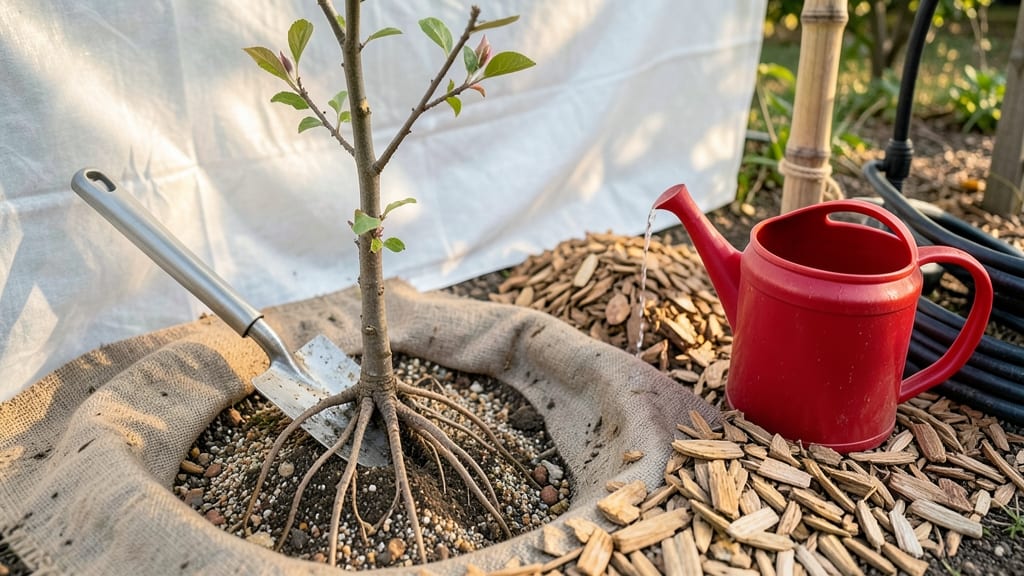
Timing your fruit tree planting in Utah isn't just about spring—it's about surviving the Wasatch Front's late frosts or the desert Southwest's sudden heat spikes. Get it wrong, and your young trees could struggle for years, but nail it, and you're setting up a thriving orchard that produces for decades.
I've seen firsthand how Utah's microclimates can turn planting advice upside down. What works in Cache Valley's cooler springs might fail in St. George's warmer climate, and those 30-degree swings in April can catch even experienced gardeners off guard.
The key isn't just knowing when to plant—it's understanding how to adjust for your specific corner of the state.
In this guide, I'll break down exactly when to plant different fruit varieties across Utah's five major zones, from hardy apples for the mountains to heat-tolerant peaches for the valleys.
You'll learn how to read your local frost patterns, prepare soil that actually supports growth, and choose varieties that match your microclimate—no more guessing games.
Whether you're a first-time gardener or a veteran orchardist, these Utah-specific strategies will help your fruit trees take root stronger and grow faster. Let's get those 🌱 planted at the perfect moment for your location.
Utah’s best fruit tree planting months by microclimate zone
Utah’s five distinct microclimates create wildly different planting windows for fruit trees. The Wasatch Front and Cache Valley have shorter frost-free seasons, while Southern Utah and Sanpete/Sevier regions enjoy longer growing periods.
Mountain zones (above 6,000 ft) demand even earlier planting to avoid late frosts. Let’s break down the ideal planting months for each zone, including soil temperature thresholds and frost risk factors.
For apples and pears, Utah gardeners should aim for late March to early April in most zones, but high-elevation areas may need to plant as early as February. Peaches and cherries, which are less cold-hardy, thrive when planted in April to early May.
The key is planting when soil temperatures reach 45°F (7°C)—this ensures roots establish before summer heat arrives.
Here’s how Utah’s microclimate zones compare for fruit tree planting:
| Zone | Best Planting Window | Soil Temp Threshold | Frost Risk | Top Varieties |
|---|---|---|---|---|
| Wasatch Front (Salt Lake City) | Late March–Early April | 45–50°F (7–10°C) | High (late frosts common) | Harvest Queen Apple, Reliance Peach |
| Cache Valley (Logan) | Early April–Mid-April | 45–50°F (7–10°C) | Moderate (cooler nights) | Bartlett Pear, Yellow Transparent Apple |
| Southern Utah (St. George) | February–March | 50–55°F (10–13°C) | Low (mild winters) | Lemon, Fig, Early Girl Cherry |
| Sanpete/Sevier (Manti) | Late March–Early April | 40–45°F (4–7°C) | High (cold air pockets) | Granny Smith Apple, Montmorency Cherry |
| Mountain Regions (Above 6,000 ft) | February–Early March | 35–40°F (2–4°C) | Very High (late snowmelt) | Honeycrisp Apple, Early Red Cherry |
🌱 Note: Adjust for elevation—add 1 week earlier per 1,000 ft gain.
If you’re planting in Southern Utah, take advantage of the earlier frost-free dates by choosing varieties like
How to adjust planting timing for Utah’s unpredictable weather patterns
Utah’s weather can throw curveballs—one day it’s 70°F and sunny, the next it’s a 20°F frost. For fruit trees, this unpredictability means flexible planting strategies are a must. Unlike predictable climates, Utah’s microclimates and elevation swings demand backup plans to protect your young trees from late frosts or early freezes.
Start by monitoring local frost dates from resources like the USU Extension. While the average last frost for the Wasatch Front is late April, high-elevation areas like Park City can see frost until May 15.
Planting too early risks root damage, so delay until soil temperatures hit 50°F consistently for 5+ days.
For high-risk zones, use frost cloth or row covers to create a 5-10°F warmer microclimate around young trees. These tools buy you 2-3 extra weeks of planting flexibility.
For example, if frost is forecasted 3 days after planting, cover your tree at night and remove it by midday to avoid overheating.
⚠️ Late Frost Warning
Never plant if frost is predicted within 10 days. Utah’s mountain valleys (e.g., Heber Valley) can experience unpredictable cold snaps even in May. Use soil warming mats or plant dwarf varieties that establish faster.
Do: Test soil with a thermometer before planting. Don’t: Rely on calendar dates—weather apps like AccuWeather provide real-time alerts.
Adjust your planting window based on tree maturity. Bare-root trees (sold dormant) can handle cooler soils and should go in late winter to early spring (February–March). Container-grown trees, however, need warmer soil (wait until April–May) to avoid root shock from temperature swings.
If you miss the ideal window, don’t panic. Many Utah nurseries offer fall planting options for drought-resistant varieties like peach trees. Plant in September–October when soil is still warm but frost risk is lower. Just ensure trees get deep watering before the ground freezes to prevent desiccation.
Pro tip: Group trees by chill-hour requirements. Apples and pears need 500–1,000 chill hours—plant them in cooler zones (e.g., Cache Valley). Stone fruits like cherries thrive in warmer microclimates (e.g., St. George) and can handle later planting.
Finally, mulch heavily with wood chips or straw to insulate roots. A 4-inch layer can add 5°F of protection during cold snaps. Combine this with drip irrigation on a timer to keep soil moist—consistent moisture helps trees recover faster from stress.