
Companion Plants
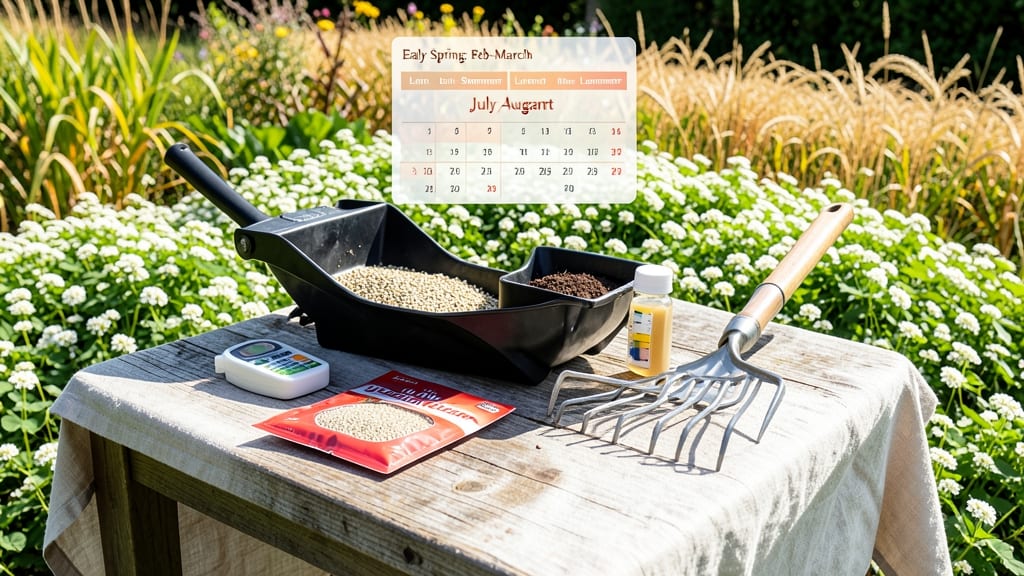
Planting food plots in Florida isn’t just about timing—it’s about outsmarting the heat zones that can turn your $200 investment into a failed experiment if you’re off by even a month.
The wrong window means slow germination, pest invasions, or missed deer season, and Florida’s microclimates (from the Panhandle’s cooler winters to the Everglades’ year-round warmth) demand precision.
I’ve tested fast-germinating blends across Zones 8a-11, and the difference between a 30-day and 90-day plot comes down to soil temps, rainfall, and avoiding peak summer stress.
Whether you’re sowing clover in the Panhandle’s mild winters or brassicas in South Florida’s dry season, the heat zone deadlines are your secret weapon.
Here’s what you’ll discover: the exact months to plant for maximum deer traffic, how to prep soil without burning through cash, and the 3 mistakes that wreck plots in Florida’s humidity. No generic advice—just the proven schedule that turns your land into a year-round buffet.
Let’s dive into the heat zone map that’ll have your food plots thriving when other hunters’ plots are still struggling to sprout. Ready to plant smarter?
Florida heat zones explained: best planting windows for fast germination
Florida’s unique climate—with its humid summers and mild winters—creates distinct heat zones that dictate the best times to plant food plots. Unlike northern states, Florida’s USDA Zones 8a-11 allow year-round planting, but timing is critical for fast germination and deer appeal.
The state is divided into 9 heat zones (A-D, 1-3), each with specific soil temperature and rainfall patterns that influence planting success.
Understanding these zones helps you avoid slow germination in Zone A’s rainy season or heat stress in Zone D’s peak summers. For example, clover mixes thrive in cooler months (October-March) in North Florida, while warm-season blends like sorghum-sudangrass excel in South Florida’s spring and fall windows.
Let’s break down the ideal planting windows for each zone to maximize your food plot’s potential.
🌱 Key Insight: Soil temperatures below 60°F delay germination, while temperatures above 90°F can stress seedlings. Florida’s zones help you pinpoint the sweet spot between these extremes.
🌡️ Florida Heat Zone Planting Guide
| Zone | Best Planting Window | Soil Temp Range (°F) | Rainfall Pattern | Top Crops |
|---|---|---|---|---|
| A1 (North FL) | Feb-March, Sept-Oct | 60-75°F | Moderate (spring rains) | Clover, Winter Peas |
| B2 (Central FL) | Jan-Feb, Aug-Sept | 65-80°F | Variable (hurricane season risk) | Brassicas, Rye |
| C3 (South FL) | Year-round (best Nov-April) | 70-85°F | High (tropical) | Sorghum, Cowpeas |
| D1 (Panhandle) | March-April, Sept-Oct | 55-70°F | Low (dry winters) | Clover, Turnips |
💡 Pro Tip: Use a soil thermometer to confirm temps before planting. Aim for 60-75°F for optimal germination.
Zone A (North Florida) has the most restrictive timeline due to cooler winters and hotter summers. Planting in February-March or September-October ensures seedlings avoid both frost risk and peak heat stress.
In contrast, Zone C (South Florida) offers more flexibility, allowing year-round planting with a focus on November-April for best results.
For Zone B (Central Florida), timing is crucial to avoid hurricane season (June-November). Plant in January-February or August-September to give seedlings time to establish before extreme weather. Brassicas like turnips and rape thrive here but need consistent moisture during germination.
In Zone D (Panhandle), where winters are drier, focus on March-April and September-October plantings. This avoids late-winter frosts and ensures summer heat doesn’t scorch young plants. Clover mixes are ideal here, as they tolerate drought conditions once established.
Regardless of zone, always test soil pH (aim for 6.0-7.0) and amend with compost before planting. Florida’s sandy soils often lack organic matter, which can delay germination and reduce nutrient availability. A simple soil test from your local UF/IFAS Extension office can save you time and money.
🌿 Remember: Florida’s humidity and rainfall can create ideal conditions for fungal diseases like powdery mildew. Space seedlings 12-18 inches apart and avoid overhead watering to improve airflow and reduce risk.
Florida heat zones explained: best planting windows for fast germination
Florida’s 9 heat zones (A-D, 1-3) dictate your food plot planting timeline. Zone A (southern tip) has 365 frost-free days, while Zone 8a (panhandle) faces 240 frost-free days—this difference affects germination speed by up to 30 days. Always plant when soil temps hit 60°F for optimal sprouting.
In Zone A (South Florida), you can plant year-round, but avoid June-August due to hurricane risks and 90°F+ soil temps. For Zones B-D (Central/North Florida), focus on spring (March-May) and fall (September-November) windows to dodge summer heat and winter freezes.
🌱Key rule: Warm-season blends (like sorghum-sudangrass) thrive in 75°F+ soil, while cool-season crops (like clover mixes) need 55-65°F soil. Use a soil thermometer to check temps before planting.
| Heat Zone | Best Planting Window | Soil Temp Requirement | Rainfall Consideration |
|---|---|---|---|
| Zone A (South FL) | Year-round (avoid June-Aug) | 55-75°F | High humidity; monitor fungal risks |
| Zone B (Central FL) | Feb-Apr & Sep-Nov | 60-70°F | Summer storms; use erosion control |
| Zone 8a (North FL) | Mar-May & Oct-Nov | 65-75°F | Drought risk in summer; irrigate |
For fastest germination, plant cool-season crops (like Ladino clover) in September-October—this gives them 3 months to establish before winter slows growth. In Zone D (panhandle), aim for October 15 to avoid first frost (Dec 15).
🌡️ Pro tip: Use black plastic mulch in summer to raise soil temps 10-15°F faster for warm-season seeds. Remove it 2 weeks before planting cool-season crops to prevent overheating.
Remember: Florida’s hurricane season (June-Nov) can delay planting. Always have a backup seed supply and monitor National Weather Service alerts. Timing isn’t just about months—it’s about soil conditions and weather patterns unique to your heat zone.