
Flowers
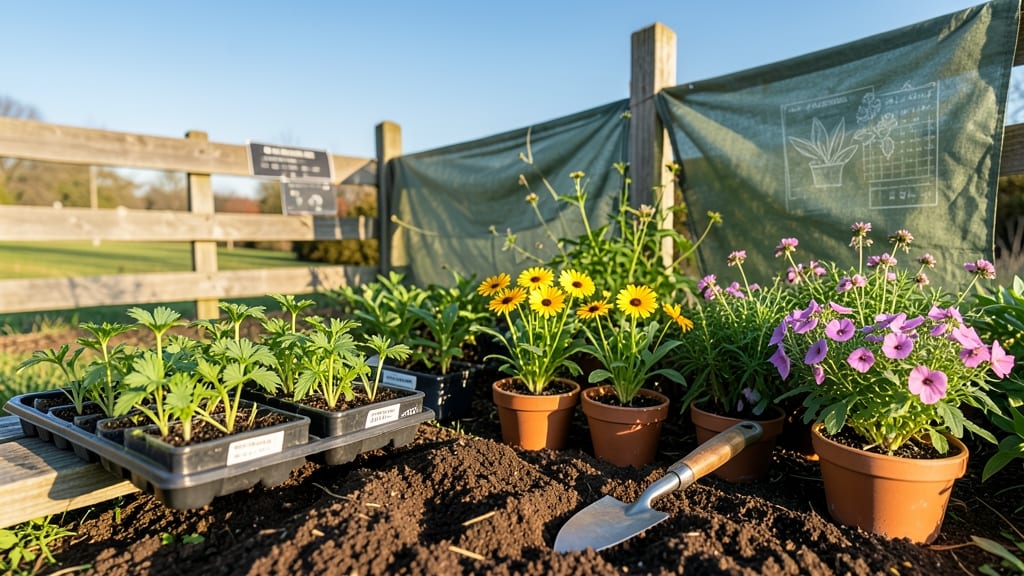
Planting flowers in New England at the wrong time can turn your garden dreams into a frost-killed mess—but getting the timing right means vibrant blooms from spring to fall.
The key isn’t just waiting for warm weather; it’s understanding your specific zone’s last frost dates and how microclimates (like coastal breezes vs. inland chill) shift those windows.
With USDA Zones 5b-6b to navigate, the perfect window stretches from early spring (March-April) to late summer (August-September), but the devil’s in the details. Coastal areas like Maine might see frost linger until May, while Connecticut could be planting by April—so knowing your exact zone is critical.
Whether you’re planting hardy perennials like coneflowers or frost-tolerant annuals like pansies, timing matters. I’ll break down the exact months for each zone, plus smart tricks to extend your blooming season—because in New England, a few weeks can mean the difference between a thriving garden and a sad, brown patch.
Ready to turn your yard into a year-round floral show? Let’s dive into the zone-specific schedule that’ll keep your flowers blooming from spring’s first thaw to fall’s crisp air.
New England flower planting calendar by hardiness zone (5-7)
New England’s USDA Zones 5-7 create unique challenges for gardeners, with last frost dates varying from mid-April in southern Connecticut to late May in northern Maine. Timing your flower planting correctly ensures vibrant blooms and healthy growth—whether you're sowing cool-season annuals like pansies or heat-loving perennials such as coneflowers.
For Zone 5 (northern New England), aim to plant hardy perennials in early spring (April) as soon as the soil thaws, while annuals should wait until after the last frost (mid-May).
In Zone 6-7 (southern New England), you can start cool-season flowers like tulips and daffodils as early as March, with warm-season annuals like marigolds planted in late May.
Regional microclimates matter too—coastal areas (like Maine’s coast) often have later frosts than inland zones, while urban heat islands (like Boston) can push planting windows 1-2 weeks earlier. Always check your local frost-free date and adjust accordingly.
🌱
New England Flower Planting Timeline
| Zone & Region | Last Frost | Ideal Planting Window | Best Flowers |
|---|---|---|---|
| Zone 5 (Northern ME, NH, VT) | Mid-May | Early April (perennials), Late May (annuals) | Coneflowers, Daylilies, Pansies |
| Zone 6 (Central MA, RI) | Early May | March (bulbs), Late April (perennials), Early June (annuals) | Tulips, Dahlias, Marigolds |
| Zone 7 (Southern CT) | Mid-April | February (early bulbs), April (perennials), Late May (annuals) | Crocuses, Zinnias, Petunias |
🌿 Adjust for microclimates: Coastal areas plant 1-2 weeks later!
Spring planting starts with soil preparation. Amend your beds with compost or aged manure to improve drainage, especially in clay-heavy soils common in Maine and Vermont. For annuals like zinnias, wait until soil temperatures reach 55°F (13°C) to avoid rot.
Fall planting offers a second chance for cool-season flowers. In Zone 5-6, sow pansies and snapdragons by late August to bloom through winter. In Zone 7, extend the window to mid-September for hardy annuals like stock flowers.
Don’t forget succession planting! In June and July, replace early-blooming annuals with heat-tolerant varieties like cosmos or sunflowers to keep your garden vibrant until first frost.
🌸
Pro tip: Use frost cloths to protect tender seedlings in late spring or extend fall blooms. In Zone 5, this can add 2-3 extra weeks of growing time. Always remove cloths during the day to prevent heat stress.
For container gardening, start annuals indoors in March (6-8 weeks before last frost) and transplant hardened-off seedlings after May 1. This gives you earlier blooms and more control over planting timing in unpredictable years.
💧
Best flowers to plant in New England by season (cool vs. warm-loving species)
New England’s cool, short summers and long winters demand smart flower choices. Some varieties thrive in spring’s chill, while others need summer’s warmth. Let’s break down the best flowers for each season—plus when to plant them for maximum blooms.
For cool-season bloomers, think pansies, tulips, and daffodils. These hardy annuals and perennials tolerate frost and often bloom earlier than warm-season flowers. Plant them in early spring (March–April) or even late summer (August) for fall color.
Warm-season favorites like zinnias, marigolds, and cosmos crave consistent warmth and won’t survive frost. Wait until after the last frost date (mid-May in most of New England) to sow seeds or transplant seedlings.
Pro Tip: Use cold-hardy annuals like snapdragons or sweet alyssum to bridge the gap between cool and warm seasons. They handle light frosts and extend your blooming calendar.
Cool-Season Flowers
- Pansies: March–April or August–September
- Tulips: Early spring (March) or fall (October) for next year
- Daffodils: Fall (September–October) for spring blooms
- Sweet Alyssum: March–April or August
Warm-Season Flowers
- Zinnias: After last frost (May–June)
- Marigolds: May–June (direct sow)
- Cosmos: Late May–June
- Sunflowers: May–June (soil >50°F)
If you’re planting perennials, focus on coneflowers, black-eyed Susans, and daylilies. These tough natives return year after year and handle New England’s hot summers and cold winters. Plant them in spring (April–May) once the soil warms.
For container gardens, opt for petunias or geraniums—they bloom nonstop in partial shade and tolerate cooler temps better than many annuals. Just protect them from late frosts with frost cloth if needed.
Remember: Soil temperature matters more than air temperature. Use a soil thermometer to confirm it’s at least 50°F (10°C) before planting warm-season seeds. This ensures strong germination and faster growth once summer arrives.