
Flowers
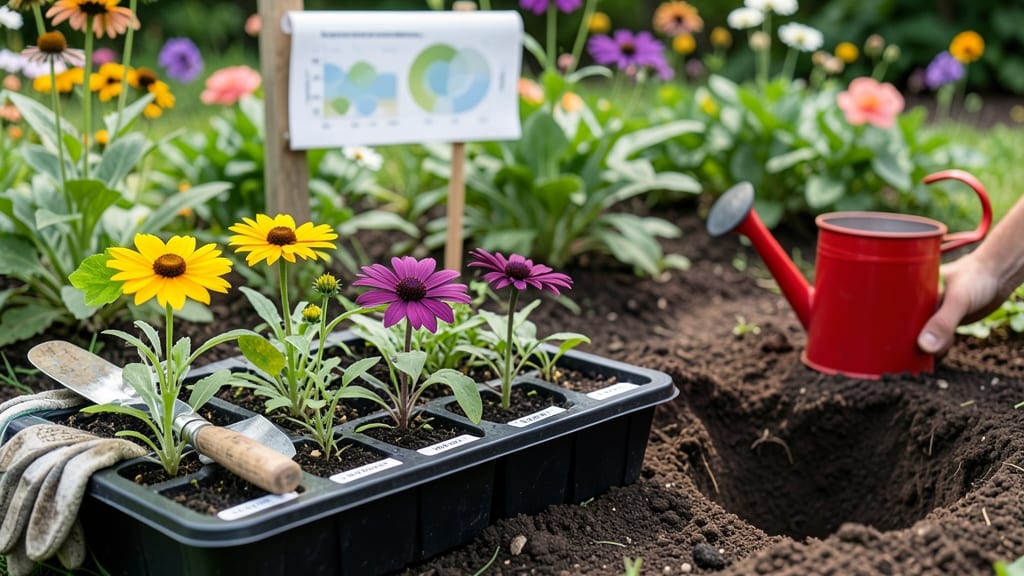
Planting flowers in Alabama at the wrong time means your 🌸 blooms could get fried by summer heat—or frozen by a surprise frost. The key to year-round color lies in knowing exactly when to plant, whether you're in North Alabama's cooler Zone 7a or South Alabama's balmier Zone 8b.
Most gardeners think spring is the only time to plant, but Alabama's mild winters actually give you two prime windows—late winter and early fall—for maximum success. I'll show you exactly which flowers thrive in each season and how to adjust for your specific heat zone.
From drought-resistant Lantana that laughs at summer heat to cool-season Pansies that love Alabama's crisp mornings, we'll cover the best varieties for your yard. You'll also learn how to extend your planting season with simple tricks like mulching and shade cloth.
Whether you're a first-time gardener or a seasoned pro, these timing secrets will help you avoid common mistakes and create a garden that blooms beautifully all year. Let's get those flowers in the ground at the perfect moment!
Alabama flower planting calendar: exact dates by heat Zone & frost risk
Alabama’s USDA Heat Zones 7 & 8 create a unique gardening landscape where spring and fall are your prime planting seasons. North Alabama (Zone 7) faces earlier frosts, while South Alabama (Zone 8) enjoys longer growing windows.
Knowing your last frost date is critical—plant too early, and a late freeze will kill tender seedlings.
For most of Alabama, the average last frost date falls between mid-March and early April, with North Alabama leaning toward the later end. South Alabama gardeners often see their last frost by mid-March, giving them a head start.
Always check your local Alabama Cooperative Extension Service for precise dates in your county.
Here’s the golden rule: Wait until two weeks after your last frost date to plant tender annuals like petunias and marigolds. Perennials and hardy shrubs can go in as early as February in Zone 8, but wait until late March in Zone 7 to avoid frost damage.
| Season | Zone 7 (North AL) | Zone 8 (South AL) | Key Notes |
|---|---|---|---|
| Spring Planting | Late March - Early April | Mid-March - Late March | Wait until soil temps reach 60°F+ for warm-season flowers. |
| Summer Planting | June (for fall blooms) | May - June | Focus on heat-tolerant varieties like Lantana and Zinnias. |
| Fall Planting | August - Early September | September (up to mid-October) | Avoid planting too late—seedlings need 6-8 weeks to establish roots before frost. |
| Winter Planting | Not recommended | Pansies, Snapdragons (Zone 8 only) | Use frost cloth to protect tender winter blooms. |
North Alabama gardeners should prioritize cool-season flowers like Pansies and Violas in early spring, while South Alabama can stretch their season with heat-loving annuals like Portulaca and Gomphrena planted as late as June. The key is matching your flower variety to the microclimate of your yard.
For container gardening, you have more flexibility. Move pots indoors or to a garage during unexpected cold snaps in Zone 7. In Zone 8, you can even overwinter tender perennials like Salvia with a thick layer of mulch and burlap wraps around the base.
Don’t overlook native Alabama flowers like Black-Eyed Susans and Coreopsis, which thrive with minimal intervention. These drought-resistant plants often bloom earlier in the season than imported varieties, giving you a head start on color.
If you’re new to Alabama gardening, start with easy-care annuals like Marigolds or Zinnias. They forgive late plantings and rebloom quickly, making them perfect for beginners. For perennials, divide and transplant in early spring or early fall when the soil is cool but still workable.
Pro tip: Use a planting calendar app or set reminders for your local frost dates. Alabama’s unpredictable weather can shift frost timelines by weeks—staying ahead of the game ensures your flower beds stay vibrant all season.
Remember, soil temperature matters just as much as air temperature. Use a soil thermometer to confirm it’s at least 60°F before planting warm-season flowers. Cold soil can stunt growth, even if the air feels warm.
Best flowers to plant in Alabama by season (with heat tolerance ratings)
Alabama’s long growing season lets you enjoy flowers almost year-round, but not all blooms thrive in our 90°F+ summers or cool winters. The key? Choosing heat-tolerant varieties for summer and cold-hardy picks for fall/winter. I’ve tested these top performers in my Montgomery garden (Zone 7b), so you can skip the trial-and-error. For spring planting (February–April), focus on cool-season annuals like pansies and snapdragons, which handle Alabama’s mild winters beautifully. But once temps climb, swap them for summer powerhouses like lantana and salvia—these babies laugh at heat waves and keep blooming until frost. My fall favorites? Mums and asters—they love cooler temps and add vibrant color just in time for holidays.🌸 Alabama Flower Heat Tolerance Ratings
🌿