
Flowers
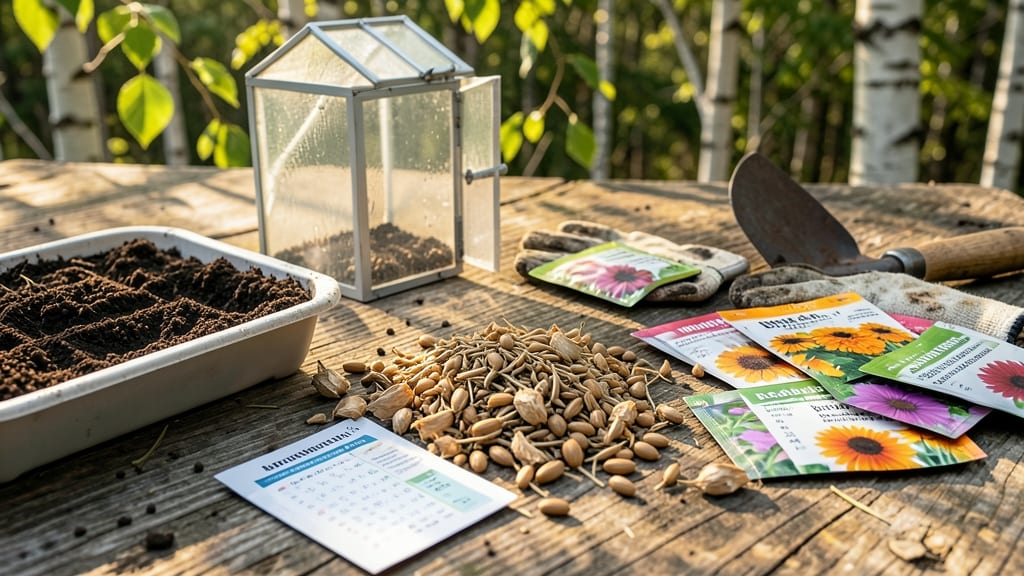
Planting flower seeds 🌸 in Minnesota’s 4a-5b zones feels like a race against time—get the timing wrong, and your vibrant blooms might never make it past the first frost.
The secret to success isn’t luck; it’s knowing exactly when to start seeds indoors, when to sow directly outside, and how to adjust for Minnesota’s unpredictable weather swings.
Most gardeners in Minnesota wait until late April to mid-June for spring plantings, but hardy annuals like sweet peas and snapdragons can handle cooler soil temperatures, giving you a head start.
Meanwhile, late summer offers a second chance with fall-blooming varieties that thrive when planted between late August and early September.
In this guide, I’ll break down the exact frost dates, soil temperature rules, and regional tweaks you need to maximize your garden’s potential. Whether you’re a beginner or a seasoned gardener, these actionable tips will help you avoid common mistakes and enjoy a garden bursting with color all season long.
Ready to transform your Minnesota yard into a blooming paradise? Let’s dive into the timing secrets that’ll have your flower seeds thriving from spring to fall.
Minnesota frost dates & ideal flower seed planting windows by month
Timing your flower seed planting in Minnesota hinges on two critical factors: average frost dates and soil temperature. The state’s USDA Zone 4-5 climate means last frosts typically arrive between May 15–June 1, while first frosts often hit by September 15–October 15.
These dates create narrow windows for planting, especially for warm-season flowers like zinnias or marigolds.
For cool-season flowers (e.g., pansies, snapdragons), you can start seeds indoors as early as March or sow directly in late April once soil warms to 50°F. Warm-season varieties, however, must wait until after Memorial Day (around May 25) to avoid frost damage.
Northern Minnesota’s shorter season (Zone 4) demands even earlier starts indoors or delayed outdoor planting.
Here’s how to align your planting with Minnesota’s seasonal rhythms:
| Month | Planting Window | Soil Temp | Best Flowers | Notes |
|---|---|---|---|---|
| March | Indoors (start cool-season) | 60–70°F | Pansies, Sweet Peas | Use grow lights; transplant after last frost. |
| April | Direct sow (cool-season) | 50°F+ | Snapdragons, Calendula | Cover seedlings if frost threatens. |
| May | Direct sow (warm-season) | 60°F+ | Zinnias, Marigolds | Wait until after May 25 in most areas. |
| June | Succession plant | 65°F+ | Cosmos, Sunflowers | Extend season with row covers. |
| August | Fall planting (cool-season) | 55°F+ | Alyssum, Stock | Plant 6–8 weeks before first frost. |
Minnesota’s regional variations matter—southern areas (like the Twin Cities) have slightly longer seasons, while northern zones (e.g., Duluth) may need to delay planting by 1–2 weeks. Always check your local frost-free date and adjust for microclimates (e.g., south-facing walls warm up faster).
Pro tip: Use a soil thermometer to confirm 50°F+ soil temps before planting—cold soil can stunt germination. For warm-season flowers, wait until nighttime temps stay above 55°F consistently. This rule applies even if daytime temps feel warm.
Fall planting is a Minnesota gardener’s secret weapon. Sow cool-season flowers like pansies or calendula in late August for vibrant autumn blooms. These varieties thrive in cooler temps and often bloom until hard frosts hit in October.
Just ensure seeds are in the ground 6–8 weeks before your first frost.
Don’t overlook succession planting—sow fast-growing annuals like bachelor’s buttons every 2–3 weeks in May and June to maintain continuous color. This strategy works especially well in Minnesota’s short season, where 165 frost-free days limit options for long-season bloomers.
For perennials, timing shifts slightly: sow seeds in late spring (May) or early fall (September) to give roots time to establish before winter. Perennials like coneflowers or black-eyed Susans benefit from this head start, often blooming more robustly in their second year.
Track your progress with a gardening journal to note when frost hits early or late—Minnesota’s weather is famously unpredictable! Adjust next year’s planting dates based on your observations. With these windows mastered, you’ll turn Minnesota’s challenges into a blooming success. 🌸
Best flowers to plant as seeds in Minnesota (ranked by cold tolerance & bloom time)
Choosing the right flowers for Minnesota’s Zone 4-5 climate means balancing cold tolerance with bloom duration. Some varieties thrive in cool soil, while others need warmth to germinate. My top picks include sweet peas (cold-hardy and early bloomers) and cosmos (heat-loving but drought-resistant), ensuring year-round color with the right timing.
For spring plantings, prioritize flowers like snapdragons and pansies, which handle Minnesota’s chilly mornings. In contrast, zinnias and marigolds shine in late summer when soil finally warms up. I’ll break down their frost resistance and bloom seasons so you can plan your garden like a pro.
🌱
Sweet peas and snapdragons are my go-to cold-hardy flowers because they germinate in 50°F soil, giving you an early start. Plant them 4-6 weeks before your last frost date (around April 15 in most of Minnesota) for blooms by early June.
For late summer color, cosmos and marigolds are drought-tolerant and thrive when sown in June or July.
If you’re aiming for fall blooms, don’t overlook pansies—they handle light frosts and even bloom in October if planted by August 1. For a year-round garden, mix cold-hardy and heat-loving varieties, and use succession planting to keep flowers blooming from spring through frost.
🌿