
Flowers
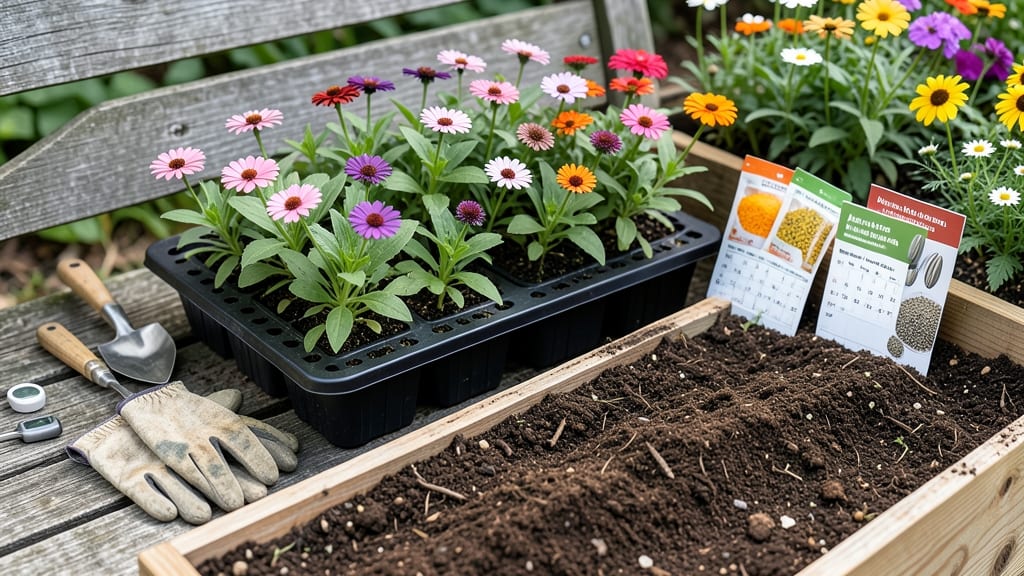
Planting your 🌸 flower seeds at the wrong time in Massachusetts can mean the difference between a burst of color and a sad, frost-killed garden.
With USDA Zone 5B’s unpredictable swings from 50°F to 90°F, timing is everything—and missing the window by even a week can cost you months of blooms.
Whether you're dreaming of vibrant annuals or hardy perennials, knowing exactly when to start seeds indoors or sow them directly is the key to success.
In Western MA’s cooler microclimates, you might plant 6 weeks earlier than in Boston’s slightly milder Zone 6B. Let’s break down the exact deadlines so you never waste another seed packet.
From cool-loving pansies that thrive in early spring to heat-loving zinnias that need summer’s warmth, each flower has its own ideal planting window. I’ll show you how to stretch your season with simple tricks—like using row covers or succession planting—to squeeze every last bloom out of your Massachusetts garden.
Ready to transform your yard into a year-round floral display? By the end of this guide, you’ll know not just when to plant, but how to give your flowers the best possible start—no guesswork, just guaranteed growth. Let’s get those seeds in the ground at the perfect moment!
Massachusetts flower seed planting deadlines by USDA Zone 5B month
Massachusetts gardeners face a short but critical growing window—typically just 160-200 frost-free days—making precise timing essential. In USDA Zone 5B (Western MA), last frost dates average May 1, while coastal areas like Boston (Zone 6b) see frost-free conditions by April 15.
These deadlines determine whether your marigolds, zinnias, or perennial phlox thrive or wither.
Planting too early risks frost damage to tender seedlings, while waiting too long cuts bloom time. The key is aligning seed selection with soil temperatures (aim for 60°F+) and local microclimates—south-facing beds warm faster than shaded spots.
Let’s break down the month-by-month deadlines for both spring and fall planting to maximize your garden’s potential.
📅 PRO TIP: Use a soil thermometer ($10 at garden centers) to confirm readiness—60°F is the magic number for most flower seeds. Cold soil delays germination, wasting your seed packets.
| Month | Planting Window | Ideal Flowers | Soil Temp | Notes |
|---|---|---|---|---|
| March | Indoor starts | Pansies, Snapdragons | 60-65°F | Cold-hardy annuals only |
| April | After last frost | Sweet Peas, Calendula | 55-60°F | Use row covers for late frosts |
| May | Full season | Marigolds, Zinnias | 65-75°F | Peak bloom time |
| June | Succession plant | Cosmos, Sunflowers | 70°F+ | Extend season with late sowings |
| August | Fall perennials | Black-Eyed Susans, Coneflowers | 60°F+ | Establish roots before frost |
For Zone 5B gardeners in Western MA, May 1 marks the last safe date for sowing tender annuals like petunias or geraniums—any later and first frost (mid-October) will cut their season short.
Meanwhile, cool-season flowers like pansies and snapdragons can handle light frosts and are perfect for March-April sowings.
Don’t overlook fall planting! Many
Best flower seeds to plant early vs late in Massachusetts gardens
Choosing the right flower seeds for your Massachusetts garden isn’t just about timing—it’s about matching plants to your local climate zone and bloom preferences. In USDA Zone 5B, early spring and late summer offer two distinct planting opportunities, each with ideal varieties that thrive in specific conditions.
For cool-season champions, think pansies and sweet peas. These hardy annuals handle light frosts and even 32°F nights, making them perfect for March-April sowings in raised beds or containers. Their vibrant colors brighten up early gardens when few other flowers are blooming.
On the flip side, heat-loving annuals like marigolds and zinnias demand warm soil (70°F+) and full sun, so they’re best planted after your last frost date—typically May 1 in Western MA. These sun-worshippers reward patience with months of bold blooms.
🌱 Early Planting (March-April) vs. 🌞 Late Planting (May-August)
Early Planting
- Pros: Longer bloom time, frost-resistant
- Best for: Pansies, Sweet Peas, Calendula
- Soil Temp: 55-65°F
Late Planting
- Pros: Extended summer blooms, heat-tolerant
- Best for: Zinnias, Marigolds, Sunflowers
- Soil Temp: 70°F+
🌿 Perennial Powerhouses
Don’t forget fall-planted perennials like black-eyed Susans and coneflowers. Sowing them in August gives roots time to establish before winter, ensuring bold blooms next spring.
For Zone 5B gardeners, succession planting is your secret weapon. After your early bloomers like pansies fade in June, replace them with cosmos or sunflowers for continuous color. This strategy keeps your garden vibrant from spring to frost.
Pro tip: Check seed packets for days to maturity—plant fast-bloomers (like marigolds) first, then longer-season varieties (like zinnias) 2-3 weeks later. This staggered approach ensures nonstop blooms all season long.
Now that you’ve got the perfect pairings for early and late planting, let’s tackle how to extend your growing season even further—because in Massachusetts, every extra day counts! 🌼